1. Physical Recovery After Miscarriage: What You Need to Know
After a miscarriage, your body needs time to heal. Bleeding and cramping are common, and hormone levels gradually normalize. Tracking your cycle helps you understand when ovulation resumes. Recovery may take a few weeks to months, depending on whether it was a 7-week miscarriage, an 8-week miscarriage, or a pregnancy after a silent miscarriage.
2. Emotional Healing and Coping After Miscarriage
Emotional recovery is vital before planning another pregnancy. Feelings of grief, guilt, or anxiety are normal.
Talking to supportive friends, family, or counselors can help. Taking time for emotional healing improves your confidence and readiness when trying to conceive again.
3. Treat Underlying Causes of Miscarriage
Identifying causes such as hormonal imbalances, thyroid issues, or uterine abnormalities can prevent future losses. Medical evaluation ensures any underlying problems are addressed, increasing the likelihood of a healthy pregnancy after miscarriage. This is especially important for women considering pregnancy after 2 miscarriages or repeated early losses.
4. Adopt a Healthy Lifestyle for a Successful Pregnancy After Miscarriage
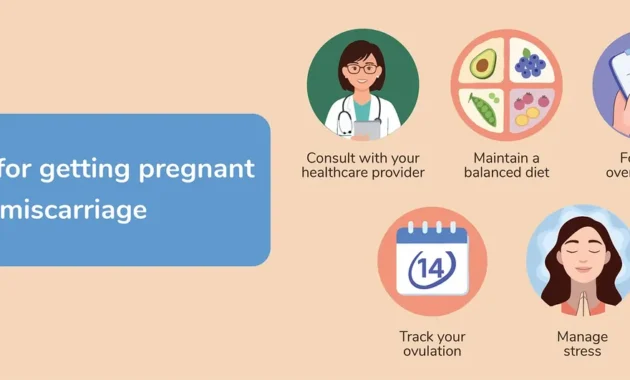
A balanced diet, regular exercise, and avoiding smoking or alcohol create a supportive environment for conception. Maintaining a healthy weight and managing stress are key factors for improving fertility. These tips will help optimize the chances of a positive outcome for both mother and baby.
5. Precautions for Pregnancy After Miscarriage
During early attempts at conception, monitor your health closely. Take prenatal vitamins, manage chronic conditions, and follow your doctor’s advice. A pregnancy gap after miscarriage allows your body to stabilize, reducing risks and enhancing the likelihood of a healthy pregnancy after miscarriage.
6. Tracking Ovulation and Fertility After Miscarriage
Monitoring ovulation is important, especially if cycles are irregular after a miscarriage. Using basal body temperature, ovulation kits, or fertility apps helps pinpoint fertile days. Knowing when to plan a pregnancy after a miscarriage improves timing and maximizes your chances of conception.
Read More: Top 6 Things You Should Avoid if You Want to Conceive