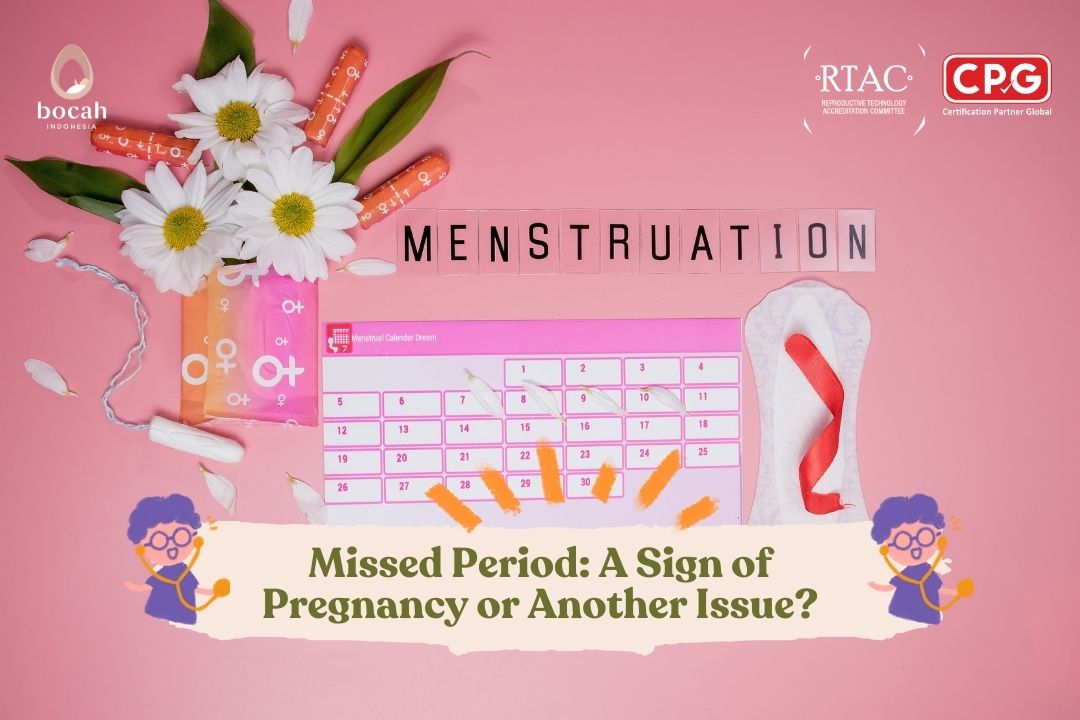
During a pregnancy program (trying to conceive), hormone levels such as estrogen and progesterone may fluctuate. These changes can affect ovulation, causing menstruation to arrive later than usual.
A missed period often becomes a moment filled with both hope and anxiety for women who are trying to conceive. Every change in the menstrual cycle feels significant, especially if periods have previously been very regular.
However, it is important to understand that a missed period during a pregnancy program does not always indicate pregnancy. Many factors can influence the menstrual cycle, particularly when the body is adjusting.
Let’s take a closer look at the possible causes so you don’t misinterpret your body’s signals.
When Is a Period Considered Late?
A normal menstrual cycle ranges from 21 to 35 days. A period is considered late if:
-
It has been more than 35 days since the first day of the last menstrual period, or
-
Your cycle is usually very regular, but your period is delayed by more than 3–5 days
A difference of 1–2 days is still considered normal and usually not a cause for concern.
Causes of a Missed Period
1. Hormonal Changes During a Pregnancy Program
While trying to conceive, the body undergoes hormonal adjustments, particularly involving estrogen and progesterone. These hormonal fluctuations can affect ovulation, causing menstruation to occur later than usual. This commonly happens in women who:
-
Have recently stopped using contraceptives
-
Have a history of irregular menstrual cycles
-
Are in a phase of physical adaptation in preparation for pregnancy
2. Stress and Emotional Pressure
Without realizing it, trying to conceive can create mental and emotional stress. The desire to become pregnant quickly, fear of failure, or comparing oneself to others can all trigger stress.
Excessive stress can interfere with hormones in the brain that regulate the menstrual cycle and ovulation, leading to delayed periods or even missed periods altogether.
3. Changes in Body Weight
Sudden weight gain or weight loss can disrupt the balance of reproductive hormones.
Maintaining an ideal body weight is essential for the success of a pregnancy program.
4. Dietary Patterns and Nutritional Intake
Nutrient deficiencies, such as folic acid, iron, and B vitamins, can affect hormonal function. During a pregnancy program, sudden changes in diet may require an adaptation period for the body, which can result in delayed menstruation.
Make sure to consume a balanced, nutritious diet to support reproductive health.
5. Excessive Physical Activity
Exercise is beneficial, but overly intense or strenuous physical activity can reduce estrogen levels and disrupt ovulation.
For women trying to conceive, it is recommended to choose light activities such as:
-
Walking
-
Yoga
-
Gentle stretching
6. Certain Medical Conditions
Several medical conditions are commonly associated with missed periods, including:
If missed periods occur repeatedly or are accompanied by symptoms such as severe acne, abnormal hair growth, or highly irregular cycles, it is advisable to consult a doctor promptly.
Missed Period as an Early Sign of Pregnancy
Of course, a missed period can also be an early sign of pregnancy, especially if accompanied by symptoms such as:
To confirm pregnancy, you can take a pregnancy test or consult a healthcare provider.
When Should You See a Doctor?
You are advised to consult a doctor if:
-
Your period is delayed for more than 1–2 weeks
-
Missed periods occur repeatedly each month
-
The delay is accompanied by severe pain or abnormal bleeding
-
You are trying to conceive and want to ensure optimal reproductive health
A missed period during a pregnancy program is quite common and does not always indicate a serious problem. The body needs time to adapt, especially when preparing for pregnancy.
If you are hoping to conceive, do not hesitate to consult a doctor to receive appropriate evaluation and guidance. With proper medical monitoring, a pregnancy program can be undertaken more calmly and with greater confidence. Read more articles about pregnancy programs on the Bocah Indonesia website.
Source:
- Alshehri, et al. (2022). A Review of Recent Studies on the Antioxidant and Anti‐Infectious Properties of Senna Plants. Oxidative Medicine and Cellular Longevity, 2022(1), pp. 6025900.
- Azimi, et al. (2022). Efficacy of The Herbal Formula of Foeniculum Vulgare and Rosa Damascena on Elderly Patients with Functional Constipation: A Double-Blind Randomized Controlled Trial. Journal of Integrative Medicine, 20(3), pp. 230–236.
- Mittiku, et al. (2022). Menstrual Irregularity and Its Associated Factors Among College Students in Ethiopia, 2021. Frontiers in Global Women’s Health, 3, pp. 917643.
- Neyrinck, et al. (2022). Constipation Mitigation by Rhubarb Extract in Middle-Aged Adults Is Linked to Gut Microbiome Modulation: A Double-Blind Randomized Placebo-Controlled Trial. International Journal of Molecular Sciences, 23(23), pp. 14685.
- National Health Service UK (2022). Health A to Z. Missed or Late Periods.
- Cleveland Clinic (2024). Thyroid Disease.
- Cleveland Clinic (2023). 8 Reasons Why Your Period Is Late.