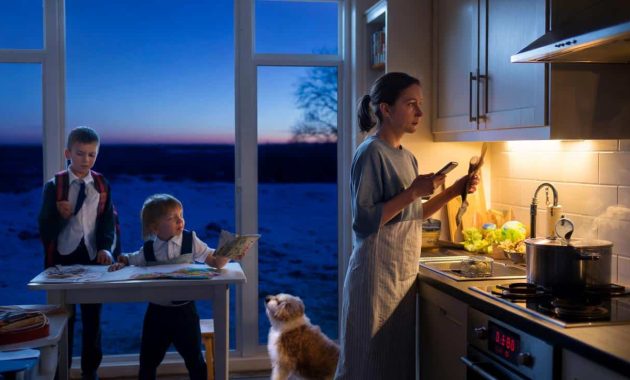
Around 5.30 on a January evening, a mum in Leeds is standing at the kitchen window, staring out at the sky that’s already turned deep ink-blue. The kids are still buzzing from school, the slow cooker’s done, but everyone feels… off. Tea feels too late, bedtime feels too early, and the dog has decided that 3.45pm is the new “walk me now or else” time.
She scrolls her phone between stirring the pasta, catches a headline: the clocks will change earlier in 2026, and sunset could creep even more sharply into the late afternoon.
For a second she imagines March and October sliding around on the calendar again, pushing routines out of sync.
*A tiny shift on a clock face, a big wobble in a family’s day.*
Earlier clock change, earlier darkness: why 2026 will feel different
The UK is used to the twice‑yearly clock dance. One weekend you wake up feeling strangely refreshed, the next you’re mysteriously shattered and the morning looks wrong. In 2026, that jolt comes sooner, with the spring and autumn clock changes falling earlier on the calendar and dragging sunset with them.
For many households, that doesn’t just mean a quirky headline about Greenwich or Brussels. It means school runs in half-light again, office workers stepping out into a sky that’s already draining of colour, and teenagers feeling their day shrink just as they get home.
You don’t notice it on the day. You notice it when a whole week suddenly feels out of step.
Think of late October in Manchester. One Friday, your walk home still has a golden haze around 5pm. By the next, the clocks have jumped, dusk slides in before you’ve even left your desk, and the car park feels like a dim, echoing box. In 2026, with the change landing earlier, that flip will catch people mid‑rhythm.
A nurse on a 12‑hour shift will start in grey light and finish in full dark. Parents in Aberdeen will be back to that familiar sprint: racing to the park straight after school, only to find the sun already kissing the horizon. These aren’t abstract minutes. They’re lost bike rides, abandoned after‑school clubs, and dinner times that quietly slip later because everyone feels out of sorts.
The science behind it is blunt. Our body clocks are tuned to light more than to numbers on a digital display. When we move that display earlier, with sunsets dropping sharply into the afternoon, our internal rhythms need days – sometimes weeks – to catch up. Children feel sleepy in class at odd times. Adults feel wired late at night, then groggy through breakfast.
➡️ Abdominal fat after 60 : the easiest, most effective exercise you’re not doing
➡️ Goodbye air fryer : new kitchen gadget goes beyond frying with 9 different cooking methods
➡️ Harvard psychologist: Couples who truly trust each other use 7 phrases
With the 2026 shift landing earlier in the season, this gap between “solar time” and “social time” briefly widens. The sun tells one story, the timetable tells another. That tension is where the disruption lives: in small frictions, tiny arguments, and a general sense that the day no longer quite fits.
How UK households can soften the blow of the earlier change
One of the gentlest ways to ride out the 2026 change is to start moving your household schedule in tiny steps, a week or so before the weekend when the clocks jump. Not military precision, just a quiet nudge. Bring dinner forward by ten minutes. Shift bath time, homework, or the evening dog walk by the same margin. Do that across four or five days and you’re suddenly 40–50 minutes ahead without the drama.
For young children, who feel every shift, a simple “light routine” can help. Open curtains as wide as possible in the morning, get outside for even ten minutes of daylight, and dim screens and lamps earlier in the evening. You’re basically telling their brains, kindly, which way is up.
The big trap many of us fall into is trying to “power through” that first week as if nothing has changed. We squeeze in late‑night emails, say yes to an extra streaming episode, and pretend that the 6.30am alarm is the same 6.30am we had last month. It isn’t.
We’ve all been there, that moment when you’re staring at your phone at 11.45pm knowing the alarm is going to hurt – and still you scroll. In 2026, with the evenings darkening earlier, that temptation could grow. A bit more TV. A bit more phone. Less natural light in the day, more blue light at night. Let’s be honest: nobody really does this every single day, but even a modest reset – earlier walk, earlier wind‑down – can blunt the edge of that “why am I so tired?” feeling.
“People underestimate the emotional effect of losing light at the end of the day,” says Dr Hannah Muir, a sleep researcher at a London teaching hospital. “In 2026 that earlier switch will catch some families unprepared. The goal isn’t perfection, it’s reducing the shock. Think of it as cushioning a fall rather than trying to avoid it entirely.”
- Create a simple “light diary” for one week: note when you get real daylight and aim to add 20 extra minutes outdoors.
- Shift bedtimes and wake‑up times by 10–15 minutes every two days, especially for children.
- Use one or two **warm‑tone lamps** in the evening and keep harsh overhead lighting off.
- Protect one small ritual that signals evening – a cup of tea, a short chat, a quick stretch – and keep it at the same clock time before and after the change.
- Agree a shared “no big decisions” rule for the first two evenings after the switch, when everyone’s that bit more irritable.
A small change on paper, a big invitation to rethink our days
The earlier clock change in 2026 will be sold as a technical adjustment, a calendar detail. Yet once the headlines disappear, what remains are living rooms across the UK where people feel slightly misplaced in their own timetable. Sunset creeps further into the afternoon, and with it comes a quiet invitation to ask how we actually want our days to feel.
Some might lean into the cosy side of that extra darkness, reclaiming early evenings for reading with kids, slow cooking, or finally talking without a phone on the table. Others will look at the lost light and choose to grab it fiercely: walking at lunch, shifting workouts earlier, lobbying workplaces to let them leave in time to see the sky before it fades.
You might notice neighbours out earlier with prams, or office lights switching off at four as teams test flexi‑hours. A runner you see every day at 7pm might suddenly appear at 3.30, chasing the last thin strip of daylight along the canal. These are small acts, but they carry a shared subtext: if the clocks are going to move without asking us, we can still decide how to move with them.
The 2026 shift won’t break daily life in the UK. It will bend it. Where and how it bends – that’s the part we get to shape together, in every tiny decision about when we eat, work, rest and step outside for a sliver of sun.
| Key point | Detail | Value for the reader |
|---|---|---|
| Earlier 2026 clock change | Sunset times will move suddenly, bringing darker late afternoons sooner in spring and autumn. | Helps readers anticipate when routines may feel disrupted and plan around the most difficult days. |
| Body clock vs wall clock | Our internal rhythms follow light, not numbers, so abrupt changes trigger fatigue and mood dips. | Gives a clear reason for feeling “off” and reduces guilt or confusion when energy crashes. |
| Practical easing strategies | Gradual schedule shifts, more morning light, softer evenings, and protected rituals. | Offers concrete steps to keep families, sleep and workdays steadier through the transition. |
FAQ:
- Question 1Will the clocks changing earlier in 2026 mean we permanently lose evening light?
- Answer 1No. The seasonal pattern of longer summer days and shorter winter days stays the same. The earlier change shifts when on the calendar that jump happens, so the “shock” of suddenly darker evenings simply arrives a bit sooner.
- Question 2How much can the new sunset times really affect sleep and mood?
- Answer 2Quite a lot for some people. Sudden loss of late‑day light can knock the body clock out of sync, leading to grogginess, difficulty falling asleep, and lower mood. For anyone already sensitive to winter blues, that earlier switch can be a noticeable trigger.
- Question 3What’s the best way to prepare children for the 2026 change?
- Answer 3Start nudging bedtimes and wake‑up times forward by 10–15 minutes every couple of days in the week before the change. Keep mornings as bright as possible, evenings calmer and dimmer, and stick to one or two **predictable cues** like story time or bath at the same clock time.
- Question 4Can workplaces do anything to help with the earlier shift?
- Answer 4Yes. Even temporary flexi‑hours, encouraging outdoor lunch breaks, and avoiding big meetings on the Monday after the change can soften the impact. Some employers experiment with letting staff leave earlier one or two days that week to catch some daylight.
- Question 5Is there any tech that can ease the transition?
- Answer 5Simple tools often work best: sunrise‑style alarm clocks, warm‑tone bulbs, and phone reminders to step outside during daylight. A basic calendar alert the week before the change, prompting you to adjust sleep routines, can be surprisingly effective.