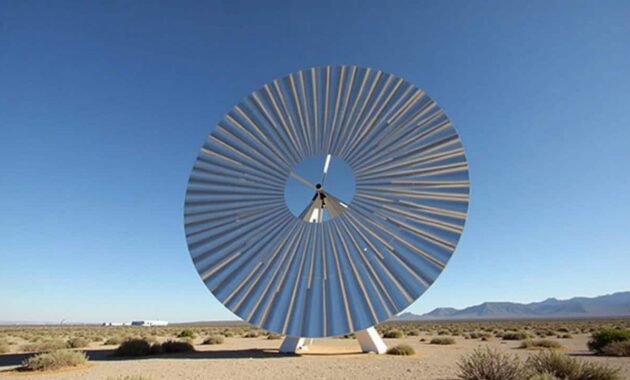
Nightfall is a cherished ritual in many parts of the world. As the sun dips below the horizon, the heavens come alive with a tapestry of stars, and the world is cloaked in a veil of tranquil darkness. But in the not-so-distant future, this familiar scene may undergo a dramatic transformation, thanks to a bold plan hatched by a California startup.
Introducing Lumen, a company with an ambitious vision to reshape the night sky as we know it. Their grand plan? To launch a network of thousands of small, highly reflective mirrors into space, creating a celestial lighting system that could illuminate entire cities below.
The idea is both captivating and controversial, sparking debates around the impact on our collective relationship with the night sky. As Lumen prepares to make its mark on the cosmos, the world watches with a mixture of awe and trepidation, wondering how this bold experiment might change the way we experience the night.

Illuminating the Future of Nighttime
Lumen’s vision is rooted in a seemingly simple premise: harnessing the power of sunlight to create artificial moonlight. By strategically positioning a network of mirrors in orbit around the Earth, the company aims to reflect sunlight down to the surface, effectively “lighting up” the night for those below.
The potential applications are vast, from enhancing public safety and security in urban areas to providing supplemental lighting for energy-efficient buildings. But the true scale of Lumen’s ambitions becomes clear when they share their plans to deploy thousands, potentially even millions, of these space-based mirrors.
According to the company, this vast network of mirrors could not only brighten city streets but also eliminate the need for traditional nighttime lighting infrastructure, reducing energy consumption and carbon emissions in the process. It’s a bold vision that promises to transform the way we experience the world after sunset.

The Challenges of Lighting Up the Night Sky
While Lumen’s plan may seem like a futuristic dream, the technical challenges of bringing it to fruition are formidable. Launching and maintaining a fleet of mirrors in orbit is no small feat, requiring precise coordination, advanced engineering, and significant financial resources.
Moreover, the potential impact on the environment and astronomical observations is a significant concern. Experts worry that the reflective mirrors could interfere with telescope observations, disrupt nocturnal wildlife, and contribute to light pollution, which has been shown to have detrimental effects on human health and the ecosystem.
Lumen acknowledges these challenges and has pledged to work closely with astronomers, environmental organizations, and policymakers to address their concerns. But the company remains undaunted, believing that the benefits of their system will outweigh the potential drawbacks.

The Transformative Potential of Artificial Moonlight
Proponents of Lumen’s vision argue that the ability to create artificial moonlight on demand could have far-reaching societal and economic benefits. Imagine a world where city streets are bathed in a soft, steady glow, enhancing safety and visibility for pedestrians and drivers alike.
The potential applications extend beyond urban settings, too. In remote or rural areas, where access to reliable electricity is a challenge, Lumen’s mirrors could provide an off-grid lighting solution, improving quality of life and opening up new economic opportunities.
Moreover, the company believes that their system could have a profound impact on energy consumption and greenhouse gas emissions. By reducing the need for traditional nighttime lighting, Lumen claims that their solution could help cities and communities achieve their sustainability goals, contributing to a more environmentally conscious future.

The Right to Darkness and the Fight for Night Sky Preservation
As exciting as Lumen’s vision may be, it has also sparked a vigorous debate around the fundamental human right to experience natural darkness. Advocates for night sky preservation argue that the proliferation of artificial light, whether on the ground or in space, threatens our connection to the natural world and deprives us of the essential benefits of darkness.
These concerns extend beyond the aesthetic and cultural value of the night sky. Research has shown that exposure to artificial light at night can disrupt circadian rhythms, leading to sleep disturbances and potential health problems. Moreover, the impact on nocturnal wildlife, which rely on the natural cycle of light and dark for their survival, is a significant consideration.
Lumen acknowledges these concerns and has pledged to work closely with stakeholders to ensure that their system is implemented in a responsible and sustainable manner. But the debate over the right to darkness is likely to continue, as the world grapples with the implications of this bold plan to transform the night sky.

The Future of Nighttime: Embrace or Resist?
As Lumen prepares to launch its first experimental mirrors into orbit, the world waits with bated breath to see how this ambitious project will unfold. While the potential benefits of their system are undeniable, the concerns raised by critics cannot be ignored.
In the end, the future of our night skies may come down to a delicate balance – one that weighs the promise of technological innovation against the fundamental human need for a connection to the natural world. As we move towards a more illuminated future, it will be up to policymakers, scientists, and the public to ensure that the night sky remains a cherished and protected resource for generations to come.
One thing is certain: the era of dark nights on Earth may soon be drawing to a close, ushering in a new chapter in our collective experience of the world after sunset.

The Luminous Debate: Experts Weigh In
“Lumen’s plan is both ambitious and concerning. While the potential benefits are enticing, we must consider the broader ecological and societal implications. The right to a natural night sky is a fundamental human right that should not be overlooked.”
– Dr. Sarah Briggs, Environmental Scientist
“This technology has the potential to revolutionize urban planning and energy efficiency. If implemented responsibly, Lumen’s mirrors could provide significant benefits to communities around the world.”
– John Williamson, Urban Policy Analyst

“The impact on astronomical observations is a major concern. Lumen’s mirrors could severely disrupt our ability to study the cosmos and make important scientific discoveries. We must find a way to balance innovation with preservation of our night skies.”
– Dr. Aisha Khan, Astrophysicist

As the debate over Lumen’s bold plan continues, one thing remains clear: the future of our night skies hangs in the balance, and the decisions made today will shape the experiences of generations to come.
Frequently Asked Questions
How would Lumen’s mirrors work?
Lumen plans to launch a network of small, highly reflective mirrors into orbit around the Earth. These mirrors would be positioned to capture sunlight and reflect it back down to the surface, effectively creating artificial moonlight that could illuminate cities and towns below.
What are the potential benefits of Lumen’s system?
Proponents argue that Lumen’s mirrors could enhance public safety, reduce energy consumption and carbon emissions, and provide lighting solutions for remote or off-grid areas. The company also believes their system could have a positive impact on the sustainability of urban environments.
What are the concerns about Lumen’s plan?
Critics are worried about the potential impact on the environment, including disruption to nocturnal wildlife and interference with astronomical observations. There are also concerns about the fundamental human right to experience natural darkness and the effects of artificial light on human health and circadian rhythms.
How will Lumen address the concerns raised by experts and the public?
Lumen has pledged to work closely with stakeholders, including astronomers, environmentalists, and policymakers, to address their concerns and ensure that their system is implemented in a responsible and sustainable manner. The company has also said it is committed to finding ways to mitigate the potential negative impacts of their mirrors.
What is the timeline for Lumen’s project?
Lumen plans to launch its first experimental mirrors into orbit within the next few years, with the goal of gradually scaling up their network to eventually include thousands, or even millions, of mirrors. However, the timeline for the full implementation of their system is still uncertain, as it depends on overcoming various technical and regulatory challenges.
How will Lumen’s mirrors be powered and maintained in space?
Lumen has not yet revealed the full details of how their mirrors will be powered and maintained in orbit. However, the company has indicated that they are exploring a range of options, including using solar energy and developing advanced propulsion systems to keep the mirrors in their desired positions.
What are the potential economic and social impacts of Lumen’s system?
Proponents believe that Lumen’s mirrors could have a significant economic impact, reducing the need for traditional nighttime lighting infrastructure and potentially creating new industries and job opportunities. However, critics are concerned about the potential social and cultural impact, particularly on the ability of individuals and communities to experience natural darkness.
How can the public get involved in the debate over Lumen’s plan?
As Lumen’s project continues to develop, there will be opportunities for the public to engage in the ongoing debate and provide feedback to policymakers and stakeholders. This may include participating in public forums, submitting comments on regulatory proposals, and supporting advocacy efforts aimed at preserving the natural night sky.