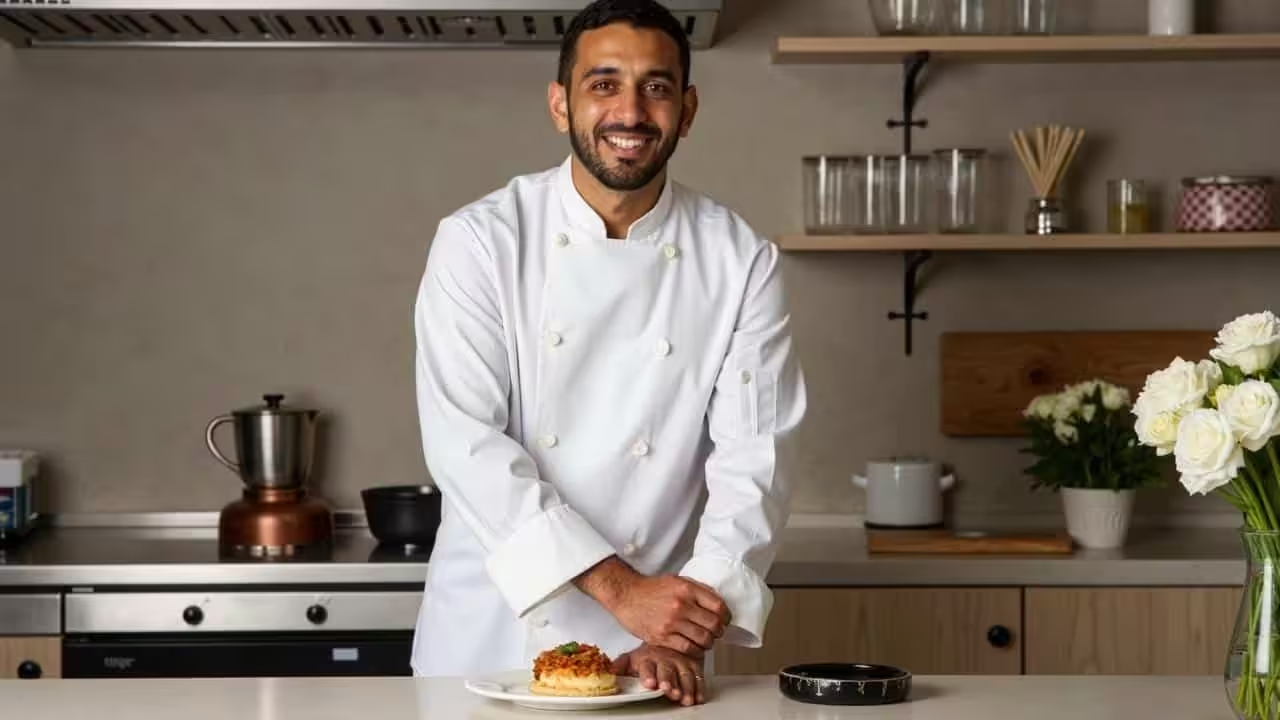
For many, the iftar meal that breaks the daily fast during Ramadan is a moment of quiet contemplation and simple pleasures. But as the Muslim community in France and beyond has become more diverse, the traditional iftar table has also evolved. Chef Mohamed Cheikh, known for his creative fusion of French and Maghrebi cuisines, shares his ideas for a small-scale iftar gathering that balances health, emotion, and practicality.
Cheikh’s approach emphasizes the importance of creating a warm, intimate atmosphere, even for a modest-sized group. “Ramadan is a time for reflection and connection, and the iftar meal should reflect that spirit,” he says. “It’s not about extravagance, but about bringing people together around the table in a meaningful way.”
Dates, Milk, and a Soulful Soup
Cheikh’s iftar menu starts with the classics: dates and a glass of milk or yogurt-based drink. “These simple elements have deep cultural and spiritual significance,” he explains. “The dates represent the breaking of the fast, while the dairy provides nourishment and hydration after a long day.”

Following the traditional opener, Cheikh suggests a hearty, flavorful soup as the main course. “A good soup is the foundation of a satisfying iftar meal,” he says. “It should be comforting and filling, with ingredients that speak to the season and the occasion.”
One of Cheikh’s favorite recipes is a roasted butternut squash soup, seasoned with warming spices like cumin, cinnamon, and a touch of harissa. “The sweet, velvety texture of the squash is so soothing after a day of fasting,” he notes. “And the North African flavors create a sense of home and tradition.”
Bread, Bricks, and Mhajab
Beyond the food itself, Cheikh believes that small, thoughtful details can elevate the iftar experience. “It’s not just about what’s on the plate, but how the table is set and the atmosphere you create,” he says.
For a cozy, intimate gathering, Cheikh suggests serving the meal on a low table, with guests seated on cushions or small stools. “This encourages a more relaxed, conversational vibe,” he explains. “It also connects us to traditional Maghrebi customs, where the family gathers around a shared meal on the floor.”
Another touch Cheikh recommends is the inclusion of traditional North African breads, like mhajab or khobz. “The act of tearing and sharing bread together is so meaningful in our culture,” he says. “It’s a simple gesture that fosters a sense of community and togetherness.”
Balancing Health and Tradition
While Ramadan is a time of spiritual renewal, Cheikh also emphasizes the importance of nourishing the body. “Fasting can be physically demanding, so it’s crucial to make sure the iftar meal provides the right balance of nutrients and energy,” he says.

To that end, Cheikh recommends incorporating fresh, seasonal produce and lean proteins into the menu. “Things like roasted vegetables, grilled fish, or a hearty lentil stew can satisfy the appetite without being too heavy,” he explains. “And by using high-quality, flavorful ingredients, you can create dishes that are both healthy and deeply satisfying.”
At the same time, Cheikh believes it’s important to honor the traditional dishes and flavors that have been passed down through generations. “Ramadan is a time to reconnect with our cultural heritage,” he says. “So while we can certainly modernize and experiment, it’s crucial to maintain that sense of authenticity and tradition.”
A Nurturing, Mindful Atmosphere
For Cheikh, the true essence of a memorable iftar gathering goes beyond the food itself. “It’s about creating a nurturing, mindful atmosphere where people can truly connect and recharge,” he says.

To that end, he suggests incorporating small, thoughtful touches, like lighting candles, playing soft music, or displaying decorative elements that evoke the spirit of Ramadan. “These subtle details help to establish a sense of calm and reflection,” he explains. “They signal to your guests that this is a special, intentional gathering, not just a quick meal.”
Ultimately, Cheikh believes that the key to a successful iftar is finding the right balance between tradition and modernity, health and emotion. “It’s about honoring the core values of Ramadan – community, gratitude, and spiritual renewal – while also adapting to the needs and preferences of a diverse, contemporary Muslim population,” he says. “With a little creativity and care, you can create an iftar experience that nourishes the body and the soul.”
Sample Iftar Menu for Two
| Course | Dish |
|---|---|
| Opener | Dates, milk |
| Soup | Roasted butternut squash soup with cumin, cinnamon, and harissa |
| Main | Grilled salmon with roasted vegetables and lentil salad |
| Bread | Mhajab, khobz |
| Dessert | Semolina and orange blossom water cake |
“This menu hits all the right notes – it’s nourishing and satisfying, but also grounded in tradition and cultural identity,” says Cheikh. “The key is to create a sense of care and connection, whether you’re hosting a small gathering or enjoying the iftar meal on your own.”

Advice for a Meaningful Iftar Experience
“The iftar meal is not just about filling your stomach – it’s about nourishing your soul. Take the time to prepare the food with care, set the table mindfully, and create a space where your guests can truly unwind and connect.”
– Samira Bouabdallah, food writer and Ramadan traditions expert
“Ramadan is a time of reflection and spiritual growth, so it’s important to approach the iftar experience with that in mind. Focus on the ritual, the community, and the deeper meaning, not just the practical aspects of the meal.”
– Aisha Malik, Islamic studies scholar
“In our increasingly busy and disconnected world, the iftar table can be a powerful antidote. It’s a chance to slow down, be present, and nurture the bonds between family and friends. Don’t underestimate the transformative power of a shared meal.”
– Dr. Fatima El-Refaie, sociologist and Ramadan researcher

FAQ
What are some traditional Ramadan dishes I should consider for the iftar meal?
Some classic Ramadan dishes to consider include harira (a hearty Moroccan soup), dolma (stuffed grape leaves), and a variety of savory pastries like samosa or fatayer. These dishes often have deep cultural and spiritual significance.
How can I create an intimate, relaxed atmosphere for a small iftar gathering?
In addition to the low table and cushions, you can try lighting candles, playing soft music, and using decorative elements like lanterns or calligraphy. Encourage conversation and connection by avoiding overly formal or rigid seating arrangements.
Is it important to maintain traditional recipes and flavors for the iftar meal?
While it’s great to honor traditional recipes, don’t be afraid to put your own creative spin on the dishes. The key is to balance authenticity with contemporary tastes and dietary needs. The most important thing is to create a meal that is nourishing and meaningful for your guests.

How can I make the iftar experience more inclusive for guests with dietary restrictions or preferences?
Be mindful of accommodating vegetarian, vegan, or gluten-free needs. Offer a variety of dishes so that everyone can find something satisfying. You can also provide options for guests to customize their own plates, such as a build-your-own salad bar or toppings for the soup.
What are some ways to involve children in the iftar celebration?
Engage kids by having them help with simple food preparation tasks, setting the table, or making Ramadan-themed crafts or decorations. You can also incorporate educational elements, like explaining the significance of certain dishes or traditions.
How long should the iftar meal last?
There is no set duration, but aim for an experience that lasts 1-2 hours. This allows time for the initial opening, the main courses, and some casual conversation and fellowship afterwards. The pace should be relaxed and unhurried.
What are some tips for hosting a successful iftar on a budget?
Focus on quality, seasonal ingredients rather than expensive proteins or elaborate desserts. Stick to a simple, wholesome menu and let the atmosphere and company shine. You can also ask guests to contribute a dish or beverage to make it a potluck-style gathering.
How can I make the iftar experience more eco-friendly?
Reduce waste by using reusable plates, cups, and utensils. Opt for seasonal, locally-sourced produce and avoid overly packaged or processed foods. Encourage guests to bring their own containers for leftovers.