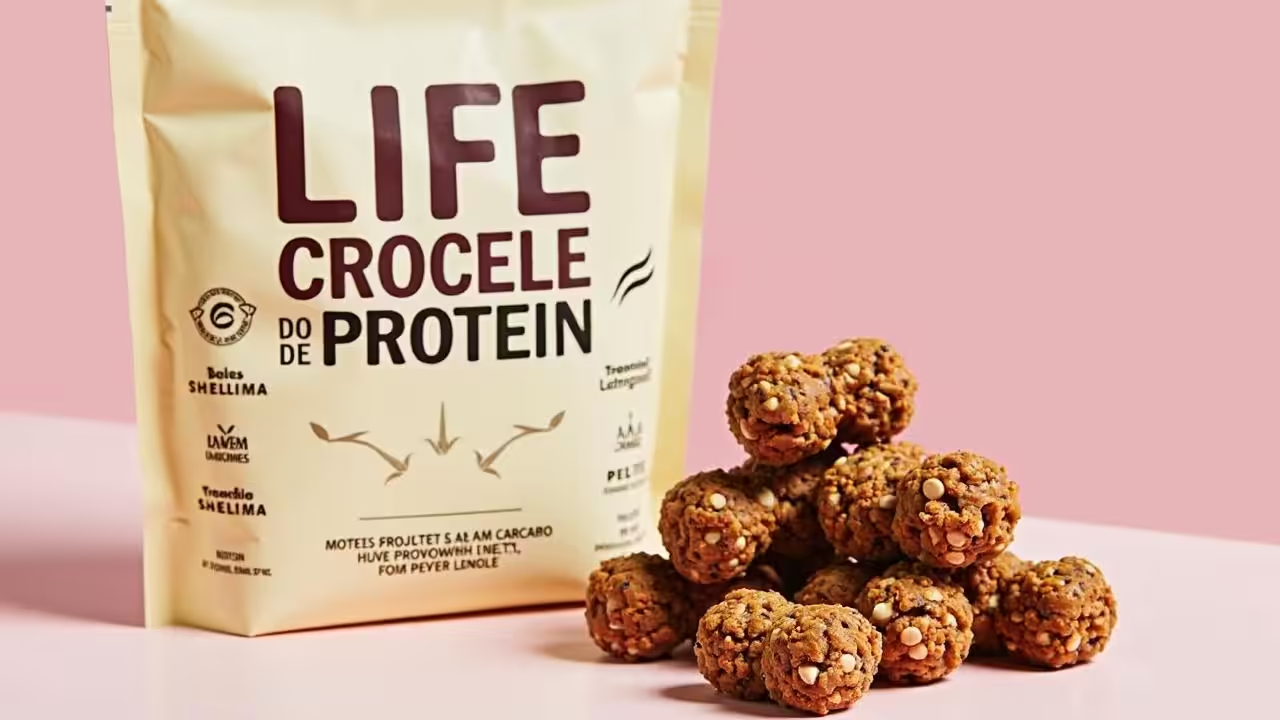
In the pursuit of a healthier lifestyle, many people have turned to so-called “ultra-caloric” protein snacks as a go-to solution for their weight-loss journey. Marketed as a smarter alternative to traditional indulgences like chocolate bars, these snacks have quietly become a daily habit for countless individuals striving to shed pounds. But the reality is that this health halo often conceals a troubling truth – these protein-packed treats may be nothing more than a costly scam.
Beneath the alluring packaging and bold nutritional claims, these snacks are frequently laden with hidden sugars, unhealthy fats, and excessive processing – factors that can ultimately undermine the very goals they promise to achieve. As the weight-loss industry continues to evolve, it’s crucial for consumers to look beyond the superficial “protein” label and delve into the true nutritional composition of these seemingly virtuous treats.
Unpacking the Protein Snack Phenomenon
The rise of protein-focused snacks can be attributed to the growing emphasis on high-protein diets for weight management and muscle building. In the minds of many, these portable, convenient options offer a healthier alternative to traditional snack foods. However, the reality is often far more complex than the marketing would have us believe.

Contrary to popular perception, a “protein” label does not necessarily equate to a nutritious, weight-loss-friendly product. In fact, many of these so-called “protein” snacks are actually loaded with added sugars, unhealthy fats, and a significant degree of ultra-processing – factors that can contribute to weight gain rather than loss.
As consumers continue to seek out convenient, protein-rich options, the market has become saturated with a wide array of snacks, bars, and bites that promise to deliver on the weight-loss front. But a closer examination of the nutritional panels and ingredient lists often reveals a far less appealing reality.
The Surprising Truth About “Healthy” Protein Snacks
While the protein content of these snacks may be higher than traditional treats, it’s crucial to consider the overall nutritional profile. Many of these products are laden with added sugars, often in the form of syrups, honey, or even artificial sweeteners, all of which can contribute to weight gain and metabolic imbalances.

Additionally, the use of unhealthy fats, such as hydrogenated oils or palm oil, can further undermine the potential health benefits of these snacks. The extensive processing involved in manufacturing these products also strips away many of the natural vitamins, minerals, and fibers that would typically be found in whole, unprocessed foods.
Ultimately, the allure of a convenient, protein-rich snack often blinds consumers to the harsh reality – that they may be investing in a weight-loss trap, rather than a genuine health solution.
Decoding the Nutrition Labels
| Nutrient | Recommended Limit | Typical Protein Snack |
|---|---|---|
| Total Fat | Less than 65g per day | 10-15g |
| Saturated Fat | Less than 20g per day | 5-8g |
| Sugar | Less than 25g per day | 15-20g |
Navigating the labyrinth of nutrition information on these protein-packed snacks can be a daunting task, but it’s a crucial step in separating the genuine health-boosters from the empty promises. By closely examining the ingredient list and nutritional breakdown, consumers can uncover the true nature of these so-called “healthy” treats.

A quick glance at the sugar and fat content of many protein snacks often reveals a startling disconnect between the marketing and the reality. Many of these products contain a significant portion of their calories from added sugars and unhealthy fats, undermining their potential as a weight-loss solution.
Additionally, the degree of processing involved in the manufacturing of these snacks can strip away many of the natural nutrients and fiber that would typically be found in whole, unprocessed foods. This ultra-processing can also contribute to the overall caloric density, making it easier to overindulge and ultimately gain weight.
When Protein Snacks Make Sense (and When They Don’t)
While protein-rich snacks can certainly have a place in a balanced, healthy diet, it’s essential to approach them with a critical eye. For individuals engaged in intense physical activity, such as athletes or bodybuilders, these snacks can serve as a convenient source of high-quality protein to support muscle recovery and growth.

However, for the average person seeking weight loss or general health, these snacks may not be the panacea they’re often marketed to be. In many cases, a better approach would be to focus on whole, nutrient-dense foods that provide a more comprehensive array of vitamins, minerals, and fiber – all of which can contribute to feelings of fullness and sustained energy levels.
Ultimately, the key to making informed choices lies in understanding the true nutritional composition of these protein-packed treats. By looking beyond the alluring packaging and bold claims, consumers can make more mindful decisions that align with their health and weight-loss goals.
“These so-called ‘protein’ snacks are often nothing more than glorified candy bars in disguise. The excessive processing, added sugars, and unhealthy fats can completely undermine any potential benefits of the protein content.”
– Dr. Sarah Wilkins, Nutritionist and Weight Management Specialist

As the weight-loss industry continues to evolve, it’s crucial for consumers to approach these protein-focused snacks with a discerning eye. By understanding the true nutritional composition of these products and making informed choices, individuals can avoid the pitfalls of the “ultra-caloric” protein snack trap and achieve their health and wellness goals through a more balanced, whole-food approach.
The Two Faces of “Healthy” Protein Snacks
| Scenario 1: The “Healthy” Protein Snack | Scenario 2: The Weight-Loss Trap |
|---|---|
|
A protein bar with 20g of protein, primarily from whey or plant-based sources, and minimal added sugars or unhealthy fats. Provides a convenient source of high-quality protein for active individuals or those with higher protein needs.  |
A “protein” snack that is heavily processed, loaded with added sugars, unhealthy fats, and artificial ingredients. Despite the protein claim, the overall nutritional profile is poor and can contribute to weight gain rather than weight loss. |
The stark contrast between these two scenarios highlights the importance of carefully evaluating the nutritional content of protein-focused snacks. While the former can serve as a useful supplement for certain individuals, the latter represents the all-too-common weight-loss trap that many consumers unknowingly fall into.
“The protein snack industry has become a minefield of misleading marketing and questionable nutritional profiles. Consumers need to be vigilant in scrutinizing the labels and ingredient lists to ensure they’re making informed choices that align with their health goals.”
– Emily Chambers, Registered Dietitian and Food Policy Analyst

As the demand for convenient, protein-rich snacks continues to grow, it’s essential for consumers to cut through the noise and focus on the true nutritional value of these products. By understanding the potential pitfalls and making more informed choices, individuals can navigate the world of “ultra-caloric” protein snacks with greater confidence and success in their weight-loss journeys.
Frequently Asked Questions
What are the key nutrients to look for in a “healthy” protein snack?
When evaluating protein snacks, focus on high-quality protein sources (like whey, casein, or plant-based proteins), minimal added sugars and unhealthy fats, and a balanced nutritional profile with fiber, vitamins, and minerals.

How much sugar is too much in a protein snack?
Aim for protein snacks with no more than 10 grams of sugar per serving. Anything higher, especially from added sugars, can undermine the potential health benefits.
Are all protein bars and snacks bad for weight loss?
No, not all protein bars and snacks are inherently bad for weight loss. However, it’s important to read the labels carefully and choose products with a balanced, nutritious profile that aligns with your specific health and weight-loss goals.
What are some healthier alternatives to ultra-processed protein snacks?
Consider whole food options like Greek yogurt, hard-boiled eggs, nuts, seeds, and fresh fruit. These provide a more natural source of protein and other beneficial nutrients without the added sugars and unhealthy fats.
How can I tell if a protein snack is truly “healthy”?
Look for short, recognizable ingredient lists, minimal added sugars, and a balanced nutritional profile. Avoid heavily processed products with long lists of unfamiliar or artificial ingredients.
Are there any scenarios where protein snacks can be beneficial?
Yes, protein snacks can be useful for athletes, bodybuilders, or individuals with higher protein needs to support muscle recovery and growth. However, for the average person seeking weight loss or general health, whole food options are often a better choice.
How can I make sure I’m not falling for the “protein snack” hype?
Be a savvy label reader, look beyond the marketing claims, and focus on the actual nutritional composition of the product. Don’t be swayed by buzzwords – evaluate each snack objectively based on its ingredients and overall health benefits.
Are there any regulations or guidelines around “protein” claims on snack packaging?
While there are some regulations around the use of “protein” claims, the industry is largely self-regulated. This allows for a lot of leeway in how these claims are presented, so it’s up to consumers to carefully examine the nutritional information beyond the marketing.