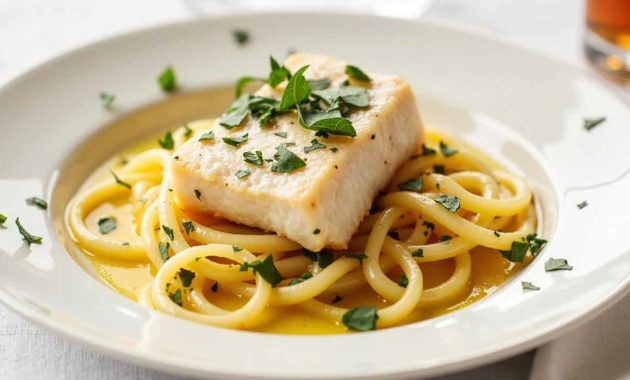
Tired of bland, lifeless white fish? The secret to transforming even the simplest fillet into a flavorful delight lies in a classic French sauce – beurre meunière. This simple yet elegant preparation is a game-changer, elevating the most underwhelming seafood with its rich, nutty notes and velvety texture.
Gone are the days of dry, tasteless fish. With the beurre meunière method, you can unlock the true potential of humble white fish, making it the star of any weeknight meal. Prepare to impress your family and friends with this easy-to-master culinary technique that will have them thinking you’re a seasoned French chef.
Mastering the Beurre Meunière Technique
The beauty of beurre meunière lies in its simplicity. Rather than drowning the fish in heavy sauces or breading, this classic French preparation lets the natural flavors of the seafood shine through, while adding a delightful richness that elevates the entire dish.

The key is in the butter. By browning the butter until it reaches a nutty, golden-brown hue, you create a sauce that infuses the fish with a depth of flavor that goes beyond the typical lemon-and-butter combination. It’s a technique that may seem intimidating at first, but once you get the hang of it, you’ll wonder why you didn’t start making beurre meunière sooner.
The best part? This method works equally well with a variety of white fish, from cod and tilapia to sole and flounder, making it a versatile addition to your culinary arsenal.
Choosing the Right White Fish
While beurre meunière can work with many types of white fish, some varieties lend themselves to the technique better than others. The most successful pairings tend to be with mild, delicate fillets that can absorb the flavors of the sauce without being overpowered.

Cod, sole, flounder, and tilapia are all excellent choices for beurre meunière. These fish have a clean, subtle taste that allows the nutty butter sauce to shine. Avoid oilier fish like salmon or tuna, as their strong flavors can clash with the delicate sauce.
When selecting your fish, look for fillets that are fresh, firm, and free of any discoloration or fishy odor. The better the quality of the seafood, the more the beurre meunière will enhance its natural flavors.
Achieving the Perfect Texture and Timing
Mastering the texture and timing of your beurre meunière-cooked fish is key to achieving the best results. The goal is to end up with a delicate, flaky fillet that’s perfectly cooked through, with a golden-brown crust on the outside.

To achieve this, be mindful of the cooking time. White fish cooks quickly, so it’s essential to keep a close eye on the fillets and avoid overcooking. As a general rule, plan for about 3-5 minutes per side, depending on the thickness of the fish.
The texture should be tender and moist, with a slight resistance when you gently press on the fillet. If the fish flakes apart easily, it’s a sign that it’s been cooked to perfection. Remember, the beurre meunière sauce will continue to gently cook the fish as it’s spooned over the top.
Serving Beurre Meunière-Style Fish
Once you’ve mastered the cooking technique, it’s time to think about how to serve your beurre meunière-style fish. This classic French preparation pairs beautifully with a variety of sides, transforming a simple weeknight meal into a sophisticated and satisfying dining experience.

For a classic pairing, try serving the fish over a bed of buttery mashed potatoes or fluffy white rice. The rich, nutty sauce will soak into the starch, creating a harmonious balance of flavors and textures.
Alternatively, you can complement the fish with roasted vegetables, such as asparagus, Brussels sprouts, or a fresh green salad. The beurre meunière sauce will provide a delicious contrast to the crunchy, vibrant produce.
Butter, Health, and Finding Balance
The mention of butter in a sauce may raise some eyebrows, but when it comes to beurre meunière, moderation is key. While butter is a source of saturated fat, the small amount used in this preparation is counterbalanced by the health benefits of the white fish.

Fish is an excellent source of lean protein, healthy omega-3 fatty acids, and a variety of essential vitamins and minerals. By pairing it with the richness of the beurre meunière sauce, you create a balanced and satisfying meal that can be enjoyed as part of a healthy, well-rounded diet.
The key is to focus on portion control and to be mindful of the overall nutritional value of your meal. By embracing the beurre meunière technique, you can elevate your white fish dishes without sacrificing the benefits of this versatile and nutritious protein.
Demystifying “Brown Butter”
The term “brown butter” may sound intimidating, but the process of creating this nutty, fragrant sauce is surprisingly simple. All it takes is a few minutes of attentive cooking to transform ordinary butter into a flavor-packed elixir that can elevate even the most basic ingredients.

The key is to cook the butter over medium heat, stirring frequently, until it begins to turn golden-brown and emit a nutty aroma. This happens when the milk solids in the butter caramelize, creating a depth of flavor that goes beyond the usual melted butter.
Don’t be afraid to let the butter get a little darker – just be sure to keep a close eye on it to prevent it from burning. The resulting beurre noisette, or brown butter, is the foundation of the beurre meunière sauce, and it’s a technique that’s well worth mastering.
From Fish Fingers to Weeknight Bistro
Growing up, many of us were familiar with the classic fish fingers – a quick, easy, and often uninspired way to enjoy white fish. But with the beurre meunière technique, you can transform even the most humble white fish into a sophisticated and delectable meal worthy of a Parisian bistro.

By embracing this simple French preparation, you can elevate your weeknight dinners and impress your family and friends with a dish that tastes like it was prepared by a seasoned chef. The best part? It’s surprisingly easy to master, making it a go-to technique for busy home cooks who want to add a touch of elegance to their seafood repertoire.
So, the next time you find yourself staring at a package of plain white fish, remember the magic of beurre meunière. With a few quick steps, you can turn a boring fillet into a culinary masterpiece that will have your taste buds singing with delight.
FAQ
What is beurre meunière?
Beurre meunière is a classic French sauce made by cooking butter until it turns nutty and golden-brown, then spooning it over delicate white fish fillets. It adds a rich, flavorful coating to the fish without overpowering the natural taste.

What types of white fish work best for beurre meunière?
Cod, sole, flounder, and tilapia are all excellent choices for beurre meunière, as they have a mild, delicate flavor that pairs well with the nutty butter sauce. Avoid oilier fish like salmon or tuna, as their strong flavors can clash with the delicate sauce.
How do I achieve the perfect texture and timing for beurre meunière-cooked fish?
The key is to cook the fish quickly, about 3-5 minutes per side, until it’s just cooked through and still tender and moist. The fish should flake easily when gently pressed, but not fall apart. The beurre meunière sauce will continue to gently cook the fish as it’s spooned over the top.
What are some good side dishes to serve with beurre meunière-style fish?
Beurre meunière pairs beautifully with starchy sides like mashed potatoes or white rice, which will soak up the rich, nutty sauce. It also complements roasted vegetables or a fresh green salad, providing a delicious contrast to the crunchy produce.
Is butter healthy to use in this recipe?
While butter is a source of saturated fat, the small amount used in beurre meunière is balanced by the health benefits of the white fish, which is high in lean protein and omega-3 fatty acids. By practicing portion control and pairing the dish with nutritious sides, you can enjoy the richness of the sauce as part of a well-rounded, healthy meal.
How do I make “brown butter” for the beurre meunière sauce?
To make brown butter, simply cook regular butter over medium heat, stirring frequently, until it turns golden-brown and emits a nutty aroma. This process caramelizes the milk solids in the butter, creating a deeper, more complex flavor that serves as the foundation for the beurre meunière sauce.
Can I use this technique with other types of fish besides white fish?
While beurre meunière works best with mild, delicate white fish like cod, sole, and tilapia, you can experiment with other types of seafood as well. Just be mindful that stronger-flavored fish may not pair as harmoniously with the nutty butter sauce.
How long does it take to master the beurre meunière technique?
With a little practice, the beurre meunière technique can be mastered relatively quickly. The key is to pay close attention to the butter as it cooks, and to monitor the fish carefully to avoid overcooking. Once you get the hang of it, you’ll be able to create this elegant French dish with ease, transforming even the most basic white fish into a culinary delight.