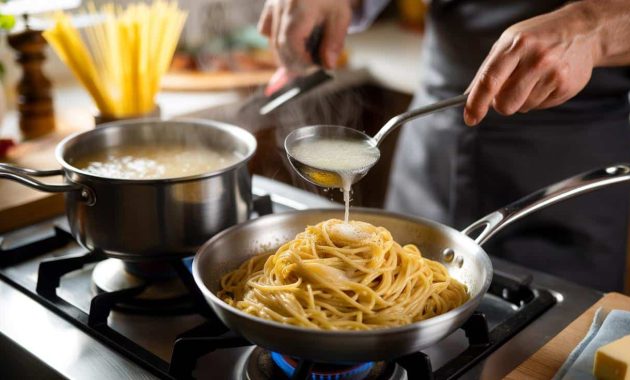
The first time I witnessed a chef ladle cloudy pasta water into a beautifully crafted sauce, I confess, I was perplexed. The spaghetti was already cooked to perfection, and the sauce had been simmered to a rich, velvety consistency. Why on earth would they dilute it with starchy water?
As it turns out, that seemingly counterintuitive move was a stroke of culinary genius. Chefs across the world have long understood the transformative power of that humble byproduct of pasta-making. Far from being a waste product, pasta cooking water is a secret weapon in the kitchen, able to elevate even the most ordinary dish into something extraordinary.
Let’s dive into the reasons why chefs rely on this unassuming ingredient, and how you can harness its magic in your own cooking.

The Starch Factor
The key to pasta water’s versatility lies in the starch content. As pasta cooks, it releases starches into the surrounding water, transforming the liquid into a thick, cloudy elixir. This starchy water is brimming with the same complex carbohydrates that give pasta its texture and bite.
When added to sauces, soups, or even sautéed vegetables, the starch in the pasta water acts as a natural emulsifier, binding the ingredients together and creating a silkier, more cohesive final dish. The starch also helps thicken sauces without diluting their flavor.
Think of it as a homemade version of the cornstarch or flour slurries that chefs often use to add body to their creations. Except in this case, the starch is already present, ready to be put to work.

Seasoning and Flavor
Pasta water doesn’t just contribute texture; it also adds seasoning and subtle flavor. As the pasta cooks, it releases not only starch but also any salt, herbs, or spices that have been added to the cooking liquid.
This means the pasta water is infused with all the same flavors that have been imparted to the pasta itself. By incorporating it into sauces, soups, and other dishes, chefs can seamlessly integrate those flavors, creating a harmonious, well-balanced final product.
In many cases, the pasta water can even eliminate the need for additional seasoning, as it provides the perfect balance of salt, acidity, and other nuances.

Emulsifying Magic
One of the most impressive feats of pasta water is its ability to emulsify sauces and dressings. When added to oil-based sauces, the starch in the water acts as an emulsifier, helping to bind the fat and water-based components together into a smooth, creamy texture.
| Sauce or Dish | How Pasta Water Helps |
|---|---|
| Carbonara | The starch in the pasta water helps thicken the egg-based sauce, creating a luxurious, velvety texture. |
| Pesto | Pasta water helps emulsify the oil and cheese, creating a creamier, more cohesive pesto that clings better to the noodles. |
| Macaroni and Cheese | The starch in the pasta water contributes to the sauce’s thickness and creaminess, preventing it from becoming too thin or greasy. |
This emulsifying power is particularly useful when making creamy, cheese-based sauces, as the pasta water helps to prevent the dreaded “broken” or curdled appearance that can occur when the fat and water-based components separate.
Stretching Sauces
In addition to its thickening and emulsifying properties, pasta water can also be used to “stretch” or extend the volume of a sauce. By gradually incorporating a few ladles of the starchy liquid into the sauce, chefs can increase the overall quantity without diluting the flavor.

This is especially useful when working with costly or labor-intensive sauces, such as those made with premium ingredients or requiring extensive preparation. The pasta water helps to make the most of every drop, ensuring that the sauce coats every nook and cranny of the pasta.
It’s a simple trick that allows chefs to be more efficient and economical in the kitchen, all while delivering a consistently delicious result.
Saving the Day
“Pasta water is like a magic potion in the kitchen. It can save a sauce that’s too thick, too thin, or even too bland. It’s an essential tool that every home cook should have in their arsenal.”
– Maria Solis, Culinary Instructor

Perhaps the most impressive feat of pasta water is its ability to “save the day” when a sauce or dish goes awry. If a sauce becomes too thick or too concentrated, a few splashes of the starchy liquid can instantly thin it out and restore the perfect consistency.
Conversely, if a sauce is too thin or watery, the starch in the pasta water can help thicken it up, binding the ingredients together and creating a more cohesive, luxurious texture.

And in cases where a sauce is lacking in flavor, the seasoned pasta water can provide the missing punch, infusing the dish with just the right amount of salt, acidity, or other nuances.
Harnessing the Power
Now that you know the magic of pasta water, it’s time to put it to work in your own kitchen. The next time you’re cooking pasta, don’t simply drain it and discard the liquid. Instead, reserve a cup or two of the starchy cooking water to use in your sauces, soups, and other dishes.
Start by adding a small amount, just a few tablespoons, and gradually incorporate more as needed, tasting and adjusting until you achieve the perfect consistency and flavor. Remember, a little bit of pasta water can go a long way, so use it judiciously.

With this simple trick, you can elevate your home cooking to new heights, creating sauces and dishes that rival those of the pros. The next time you ladle that cloudy liquid into your pan, you’ll know that you’re tapping into a culinary secret that’s been used by chefs for generations.
Pasta Water Wisdom
“Pasta water is the unsung hero of the kitchen. It’s a versatile, cost-effective ingredient that can transform even the most ordinary dish into something extraordinary. Every time I use it, I’m amazed by the results.”
– Chef Luca Manfè, James Beard Award Winner

As you’ve seen, pasta water is far more than just a byproduct of the cooking process. It’s a culinary powerhouse, capable of enhancing texture, flavor, and even saving a dish that’s gone awry.
So the next time you’re tempted to simply drain and discard that starchy liquid, stop and think twice. With a little pasta water magic, you can unlock a whole new world of culinary possibilities.
Why is pasta water so starchy?
As pasta cooks, the starches in the flour gradually release into the surrounding water, transforming it into a thick, cloudy liquid. This starch helps give pasta its signature texture and bite.
How much pasta water should I use?
Start with a small amount, like 2-3 tablespoons, and gradually add more as needed to achieve the desired consistency. The exact amount will depend on the dish and the sauce.
Can I substitute pasta water with regular water?
While you can use regular water in a pinch, it won’t provide the same starch content or seasoning benefits as the water used to cook the pasta. For the best results, always use the pasta cooking liquid.
Do I need to cool the pasta water before using it?
No, you can use the pasta water while it’s still hot. The heat will help it incorporate more easily into the sauce or dish.
How long can I keep leftover pasta water?
Pasta water can be stored in the refrigerator for up to 3-4 days. It’s best to use it within a day or two for the freshest flavor and optimal texture.
Can I freeze pasta water for later use?
Yes, you can freeze pasta water in ice cube trays or small containers for up to 3 months. This makes it easy to have portion-sized amounts on hand whenever you need them.
What types of dishes work best with pasta water?
Pasta water is versatile and can be used in a wide range of dishes, from sauces and soups to casseroles and stir-fries. It’s particularly helpful in creamy, cheese-based dishes and oil-based sauces.
How do I know if I’ve added too much pasta water?
If the sauce or dish becomes too thin or watery, you’ve likely added too much pasta water. Start with smaller amounts and gradually increase until you achieve the desired consistency.