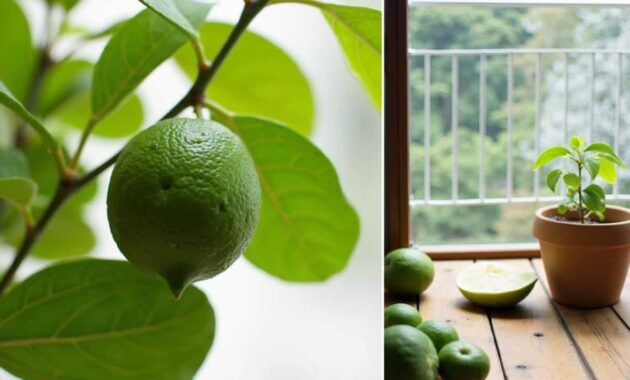
In the bustling concrete jungles of modern cities, a quiet urban gardening revolution is taking place on balconies and terraces. Home cooks, tired of store-bought herbs and citrus, are transforming their outdoor spaces into miniature tropical havens, where the fragrant leaves of the kaffir lime tree thrive just steps from the kitchen.
Kaffir lime, with its distinctive bumpy skin and intense, aromatic leaves, is a staple in Southeast Asian cuisine. But you don’t need a sprawling backyard to enjoy this versatile plant – all it takes is a sunny balcony and a little know-how to cultivate your own supply of this culinary treasure.
Whether you’re a seasoned urban gardener or a complete novice, growing a kaffir lime on your balcony can be a rewarding and surprisingly low-maintenance endeavor. With the right setup and care, you’ll be harvesting fresh leaves to infuse your curries, marinades, and cocktails with an unparalleled burst of citrusy flavor.

Balcony-friendly Kaffir Lime: What It Is and Why Grow It
Kaffir lime, also known as makrut lime, is a small, evergreen tree native to Southeast Asia. Its leaves and fruit are widely used in Thai, Lao, and Indonesian cooking, lending a unique floral and subtly bitter note to a variety of dishes. The leaves are the most prized part of the plant, adding depth and complexity to curries, soups, and marinades.
For urban dwellers, the kaffir lime offers several advantages over other citrus trees. It’s compact and well-suited to container gardening, with a naturally bushy growth habit that thrives in limited space. Unlike larger citrus varieties, a mature kaffir lime plant can easily be accommodated on a standard-size balcony or patio.
Moreover, the kaffir lime is remarkably resilient, able to withstand cooler temperatures and periods of neglect that would quickly devastate more delicate plants. With some basic care and attention, you can enjoy a bountiful supply of this flavorful ingredient right from your own urban oasis.

Setting Up Your Balcony Kaffir Lime
When it comes to growing a kaffir lime on your balcony, the key is to mimic the plant’s natural habitat as closely as possible. Start by choosing a suitably sized container – a 15-20 gallon pot or planter is ideal for a mature tree. Ensure the container has ample drainage holes to prevent waterlogging.
Fill the pot with a well-draining, nutrient-rich potting mix specifically formulated for citrus plants. These mixes typically contain a blend of compost, peat moss, and coarse sand or perlite to ensure optimal drainage and aeration for the kaffir lime’s sensitive roots.
Positioning your kaffir lime is equally important. The plant thrives in full sun, so choose a spot on your balcony that receives at least 6 hours of direct sunlight per day. Avoid areas that are too sheltered, as good air circulation is crucial for the plant’s health.

Caring for Your Balcony Kaffir Lime
With the right setup in place, maintaining a healthy kaffir lime on your balcony is relatively straightforward. During the growing season, water the plant deeply when the top inch or two of soil becomes dry, taking care not to let it sit in standing water.
Fertilize your kaffir lime every 4-6 weeks using a balanced, slow-release citrus-specific fertilizer. This will provide the essential nutrients the plant needs to produce an abundant harvest of flavorful leaves.
Pruning is also important to keep your kaffir lime compact and bushy. Lightly trim the plant in early spring, removing any dead or damaged growth and shaping it to your desired size and form. Be sure to use clean, sharp pruners to avoid damaging the stems.

Overcoming Common Challenges
Like any plant, the kaffir lime may encounter the occasional issue on your balcony. One common problem is yellowing leaves, which can be caused by a variety of factors, from overwatering and poor drainage to nutrient deficiencies.
If you notice your kaffir lime’s leaves turning yellow, start by checking the soil moisture. Allow the top few inches to dry out between waterings, and ensure the pot has sufficient drainage. You can also try supplementing with a citrus-specific liquid fertilizer to provide a quick nutrient boost.
In the event of a harsh winter, your kaffir lime may lose some of its leaves as it goes into a dormant state. Don’t worry – this is a natural response to the cooler temperatures. Ensure the plant remains sheltered from frost and wind, and it will likely bounce back come spring with a fresh flush of growth.

Harvesting and Using Your Balcony Kaffir Lime
With the right care, your balcony-grown kaffir lime will reward you with an abundant supply of flavorful leaves. Harvesting is simple – just snip off the leaves as needed, taking care not to strip the plant bare.
The leaves can be used fresh or dried, adding a burst of citrusy aroma and flavor to a wide range of dishes. Incorporate them into curries, marinades, and sauces, or use them to infuse oils, vinegars, and cocktails. The zest from the fruit can also be used, though the leaves are generally considered the more versatile and prized part of the plant.
With a little practice, you’ll learn to time your harvests to coincide with your cooking needs, ensuring a steady supply of fresh kaffir lime leaves at your fingertips. And as the plant matures, you may even be rewarded with the occasional fragrant blossom or tangy fruit to experiment with in the kitchen.

Maximizing Your Balcony Kaffir Lime
As you become more familiar with your kaffir lime plant, you may discover ways to get even more out of it. Consider pruning judiciously to encourage bushier growth and a higher leaf yield. You can also try propagating new plants from cuttings, allowing you to expand your urban citrus oasis over time.
When the growing season winds down, you can even bring your kaffir lime indoors to a sunny windowsill, where it will continue to provide leaves for your cooking. With some careful attention, you may even coax the plant to flower and fruit, further expanding the culinary possibilities in your kitchen.
Ultimately, growing a kaffir lime on your balcony is a rewarding and sustainable way to elevate your home cooking. By tapping into the plant’s vibrant flavors and aromas, you can transport your taste buds to the tropics, all while enjoying the satisfaction of harvesting your own homegrown ingredients.

FAQ
How much sunlight does a kaffir lime need?
Kaffir limes thrive in full sun, requiring at least 6 hours of direct sunlight per day. Choose a spot on your balcony that receives as much unobstructed sunlight as possible.
Can I grow a kaffir lime in a pot?
Yes, kaffir limes are well-suited to container gardening and can be successfully grown in pots or planters on a balcony or patio. Choose a pot that’s at least 15-20 gallons in size for a mature plant.
How often should I water my balcony kaffir lime?
Water your kaffir lime when the top inch or two of soil becomes dry, being careful not to let the plant sit in standing water. During the growing season, this is typically every 7-10 days.

What type of soil does a kaffir lime need?
Use a well-draining, nutrient-rich potting mix formulated specifically for citrus plants. These mixes contain a blend of compost, peat moss, and coarse materials like sand or perlite to ensure optimal drainage and aeration.
How do I prune a kaffir lime tree?
Prune your kaffir lime in early spring, removing any dead or damaged growth and shaping the plant to your desired size and form. Use clean, sharp pruners and avoid cutting more than one-third of the plant at a time.
What can I do about yellow leaves on my kaffir lime?
Yellow leaves can be caused by overwatering, nutrient deficiencies, or other environmental factors. Check the soil moisture, ensure proper drainage, and consider supplementing with a citrus-specific liquid fertilizer.
Can I bring my kaffir lime indoors for the winter?
Yes, you can temporarily bring your kaffir lime indoors during the colder months to protect it from frost and wind. Place it in a sunny spot, such as a south-facing window, and continue your regular watering and care routine.
How do I use the leaves from my balcony kaffir lime?
Kaffir lime leaves can be used fresh or dried in a variety of dishes, from curries and marinades to infused oils and cocktails. Their intense, citrusy aroma and flavor make them a versatile ingredient in Southeast Asian and fusion cuisines.