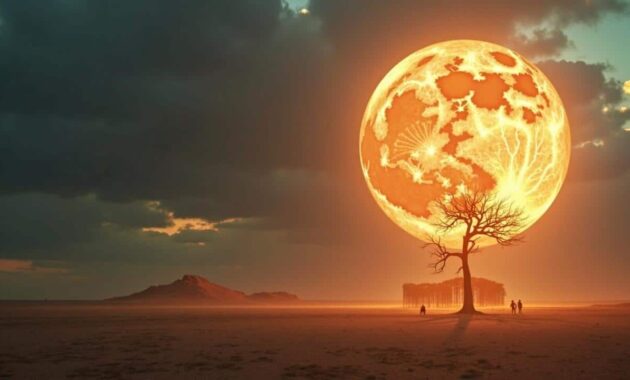
The world is becoming increasingly homogenized, and it’s not just our cultural tastes that are converging. A growing number of biologists warn that we have entered the “homogenocene” – an age where a handful of hardy species spread everywhere, while unique local life quietly disappears. This trend is slowly but surely making life on Earth all the same, with far-reaching consequences for ecosystems and biodiversity.
As human activity continues to reshape landscapes and introduce new species, many specialized and endemic organisms are being pushed aside by a few adaptable generalists. From backyard weeds to urban pigeons, these opportunistic creatures are thriving in the face of change, while delicate native species struggle to survive. The homogenocene is erasing the natural diversity that has evolved over millennia, one ecosystem at a time.
Understanding this profound shift is crucial, as it holds important implications for the future of life on our planet. The rise of the homogenocene raises complex questions about the fragility of ecosystems, the value of biodiversity, and our role as agents of global change. As we grapple with these challenges, one thing is clear: the age of the homogenocene is a stark reminder that human activity is leaving an indelible mark on the natural world.

The Spread of Generalists and the Decline of Specialists
At the heart of the homogenocene is the increasing dominance of generalist species – those that can adapt to a wide range of environments and thrive in the face of disturbance. As humans transform landscapes through urbanization, agriculture, and the introduction of non-native species, these adaptable generalists are able to capitalize on the new opportunities, often at the expense of specialized native species.
One striking example is the house sparrow, a bird that has spread across the globe, often outcompeting local bird species for resources. Similarly, the ubiquitous dandelion and the common cockroach have become cosmopolitan species, able to flourish in a variety of habitats, from suburban lawns to city sidewalks.
In contrast, specialist species – those that have evolved to thrive in a specific, narrowly defined niche – are increasingly pushed to the margins. Endemic species, found only in a particular region, are especially vulnerable, as their survival hinges on the preservation of their unique habitats. The loss of these specialized organisms can have cascading effects on the delicate balance of ecosystems.

The Homogenization of Ecosystems
As generalist species spread and specialist species decline, the world’s ecosystems are becoming more homogenized. Instead of a tapestry of diverse habitats, we’re seeing a patchwork of similar landscapes, where the same few species dominate in various locations.
This trend is evident in urban and suburban areas, where non-native ornamental plants and hardy weeds often crowd out native vegetation. Similarly, in agricultural regions, monocultures of a few high-yield crops are replacing the diverse patchworks of traditional farmland.
The consequences of this homogenization can be far-reaching. Reduced biodiversity can compromise the resilience of ecosystems, making them more vulnerable to environmental stresses and disruptions. Additionally, the loss of unique local species can erode cultural identity and traditional ways of life, as communities become increasingly disconnected from their natural heritage.

The Biotic Homogenization of the Planet
The homogenization of ecosystems is not limited to a single region or continent; it’s a global phenomenon that some scientists have dubbed the “biotic homogenization of the planet.” As human-mediated dispersal of species continues, the world’s flora and fauna are becoming increasingly intermingled, blurring the distinct regional identities that have evolved over millennia.
This global convergence of species is not without precedent. Past mass extinctions, such as the Pleistocene megafaunal extinctions, have also resulted in the loss of unique local species and the spread of more adaptable generalists. However, the current rate of biotic homogenization is unprecedented, driven by the scale and pace of human activities.
The biotic homogenization of the planet has significant implications for the future of life on Earth. As ecosystems become more similar, the resilience and adaptive capacity of the biosphere as a whole may be compromised, leaving it more vulnerable to large-scale disruptions and environmental changes.

The Cultural and Economic Impacts of the Homogenocene
The homogenization of life on Earth is not just an ecological phenomenon; it also has profound cultural and economic implications. As unique local species and ecosystems decline, communities lose their connection to the natural world, eroding traditional knowledge, cultural practices, and even sources of livelihood.
For instance, the decline of indigenous fisheries and the spread of industrialized aquaculture can disrupt the way of life for coastal communities that have relied on local marine resources for generations. Similarly, the loss of medicinal plants and other traditional resources can undermine the knowledge and practices of indigenous communities.
The economic impacts of the homogenocene can also be significant. The decline of biodiversity can compromise the provision of essential ecosystem services, such as pollination, pest control, and water purification, which are critical for human wellbeing and economic prosperity. Additionally, the loss of unique local species and ecosystems can diminish the potential for bioprospecting and the development of new products and industries.

Reversing the Trend: Challenges and Opportunities
Confronting the challenges posed by the homogenocene will require a multifaceted approach, addressing both ecological and societal factors. Preserving and restoring biodiversity will be crucial, but it will also require rethinking our relationship with the natural world and the way we organize our economies and communities.
Efforts to protect and restore unique local species and ecosystems, such as the creation of protected areas and the reintroduction of native species, can help to slow the homogenization process. Similarly, promoting sustainable land-use practices, such as agroecology and regenerative agriculture, can create more diverse and resilient landscapes.
At the same time, fostering greater awareness and appreciation for biodiversity, both among the general public and policymakers, can help to shift cultural and economic priorities. Investing in education, citizen science initiatives, and sustainable tourism can all contribute to a deeper understanding and valuation of the natural world.

The Future of Life on Earth
The age of the homogenocene is a stark reminder of the profound impact that human activities are having on the natural world. As we confront the challenges posed by this trend, it’s essential that we consider not just the ecological consequences, but also the cultural, economic, and philosophical implications of a world that is becoming increasingly uniform.
Ultimately, the homogenocene is a call to action – a reminder that we must rethink our relationship with the natural world and work to preserve the diversity of life on our planet. By embracing a more sustainable and symbiotic approach to our interactions with the environment, we can strive to create a future where unique local ecosystems and species thrive, and the richness and resilience of the biosphere are preserved for generations to come.
Quotes and Expert Opinions
“The homogenocene is a stark reminder that human activity is reshaping the planet on a global scale, with far-reaching consequences for the diversity of life. As generalist species spread and specialists decline, we are at risk of losing the very foundations of the natural world that sustain us.” – Dr. Emily Hume, Ecologist
“The biotic homogenization of the planet is a profound and worrying trend. It’s not just about the loss of species – it’s about the erosion of the complex, interconnected systems that have evolved over millennia to support life on Earth. If we don’t act now, we may be facing a future where the world feels increasingly like a monoculture.” – Dr. Aisha Mahmood, Conservation Biologist
“The cultural and economic impacts of the homogenocene cannot be overstated. As unique local species and ecosystems decline, communities are losing their connection to the natural world, undermining traditional knowledge, practices, and livelihoods. This is a global challenge that requires a holistic, interdisciplinary approach.” – Dr. Javier Gonzalez, Anthropologist
The homogenocene is a sobering reminder of the fragility of life on Earth and the profound impact of human activity. As we grapple with this global challenge, it’s clear that preserving the diversity of the natural world will require a fundamental rethinking of our relationship with the environment. By embracing a more sustainable and symbiotic approach, we can strive to create a future where unique local ecosystems and species thrive, and the richness and resilience of the biosphere are preserved for generations to come.

FAQs
What is the “homogenocene”?
The homogenocene refers to the age in which a handful of hardy, generalist species are spreading everywhere, while unique local life quietly disappears. This trend is making life on Earth increasingly homogenized and uniform.
What is causing the homogenization of ecosystems?
The homogenization of ecosystems is primarily driven by human activities, such as urbanization, agriculture, and the introduction of non-native species. These changes create new opportunities for adaptable generalist species to thrive, often at the expense of specialized native species.
What are the consequences of the homogenocene?
The consequences of the homogenocene include the loss of biodiversity, the erosion of ecosystem resilience, the disruption of traditional ways of life, and the potential for economic impacts through the decline of essential ecosystem services.
How can we reverse the trend of the homogenocene?
Reversing the homogenocene will require a multi-faceted approach, including efforts to protect and restore unique local species and ecosystems, promote sustainable land-use practices, and foster greater awareness and appreciation for biodiversity.
What is the role of human activity in the homogenocene?
Human activity is the primary driver of the homogenocene, as our actions – such as urbanization, industrialization, and the introduction of non-native species – are reshaping the planet on a global scale and leading to the decline of unique local life.
How can the homogenocene affect cultural and economic systems?
The homogenocene can have profound impacts on cultural and economic systems, as the loss of unique local species and ecosystems can disrupt traditional knowledge, practices, and sources of livelihood, as well as compromise the provision of essential ecosystem services that support human wellbeing and economic prosperity.
What is the long-term outlook for life on Earth under the homogenocene?
The long-term outlook for life on Earth under the homogenocene is concerning, as the erosion of biodiversity and the homogenization of ecosystems can undermine the resilience and adaptive capacity of the biosphere as a whole, leaving it more vulnerable to large-scale disruptions and environmental changes.
What can individuals do to help address the homogenocene?
Individuals can contribute to addressing the homogenocene by adopting sustainable practices, supporting conservation efforts, engaging in citizen science initiatives, and advocating for policies and actions that protect and restore unique local species and ecosystems.