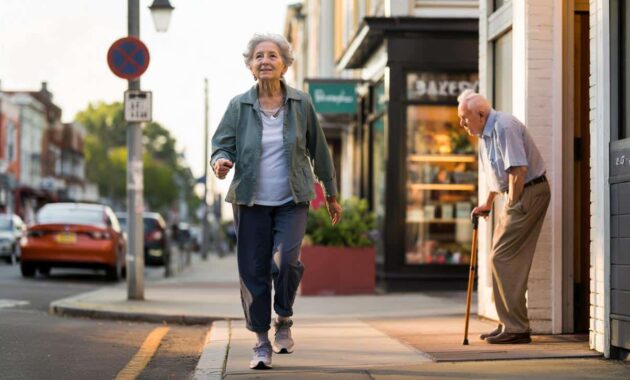
As I stood in the grocery store line, I couldn’t help but notice the contrast between the young mother, phone in hand, and the elderly woman in front of her, leaning on a cane. It was a simple scene, but one that highlighted a profound difference – the challenge of maintaining independence and joint health as we age.
For many seniors, the idea of staying active and preserving their mobility can feel daunting. But according to health experts, there’s one surprisingly simple daily activity that can make all the difference: walking.
Yes, walking – the unassuming, often overlooked exercise that may just hold the key to keeping our joints healthy and our independence intact well into our golden years.

The Power of Walking: Preserving Joint Health and Independence
As we grow older, the wear and tear on our joints can become a significant obstacle to maintaining an active lifestyle. Conditions like osteoarthritis, which affects an estimated 32.5 million adults in the United States, can make everyday tasks like climbing stairs or even walking around the house a painful ordeal.
But according to Dr. Jacqueline Osborne, a geriatric specialist, regular walking can be a game-changer. “Walking is one of the best exercises for maintaining joint health as we age,” she explains. “It strengthens the muscles around the joints, improves flexibility, and can even help reduce the risk of developing osteoarthritis in the first place.”
And the benefits go beyond just joint health. “Walking also plays a crucial role in preserving our independence,” says Dr. Osborne. “As we age, our balance and coordination can decline, making it more difficult to perform basic everyday activities. But walking helps maintain these essential physical abilities, allowing seniors to remain self-sufficient for longer.”

The Surprising Resistance to Walking
Given the clear health benefits, one might expect seniors to eagerly embrace walking as a daily habit. But the reality is that many older adults are surprisingly resistant to the idea.
“There’s often a misconception that walking is somehow ‘not enough’ or ‘not challenging enough’ to provide real health benefits,” says Dr. Osborne. “But the truth is, walking is a highly effective and accessible form of exercise, especially for those with joint issues or mobility concerns.”
Another factor that can discourage seniors from walking is the fear of falling or losing their balance. “It’s a valid concern, but the solution is not to stop walking altogether,” explains Dr. Osborne. “Instead, we encourage seniors to start slow, build up their strength and confidence, and consider using a cane or walker for extra stability if needed.”

The Simple Steps to Incorporating Walking into Your Routine
The good news is that getting started with a regular walking routine is relatively easy and accessible for most seniors. Dr. Osborne offers the following tips:
“Begin with short, 10-15 minute walks around your neighborhood or even just within your own home. As you build endurance, gradually increase the duration and distance. Aim for at least 30 minutes of walking per day, but don’t be afraid to break it up into smaller sessions if that works better for you.”
She also emphasizes the importance of finding enjoyment in the activity. “Invite a friend or family member to join you, or listen to an audiobook or podcast to make the time pass more pleasantly. The key is to make walking a habit that you look forward to, rather than a chore.”

And for those with concerns about balance or stability, Dr. Osborne recommends exploring the use of assistive devices. “A cane or walker can provide the extra support you need to feel confident and secure while walking. Don’t be afraid to use them – they’re there to help you maintain your independence, not hinder it.”
The Surprising Health Benefits of Walking
While the joint health and independence-preserving benefits of walking are well-documented, there are numerous other surprising health advantages that make it a truly comprehensive exercise for seniors.
“Walking has been shown to improve cardiovascular health, reduce the risk of chronic conditions like diabetes and heart disease, and even boost cognitive function,” says Dr. Osborne. “And the best part is, you don’t need to be an avid athlete to reap these benefits. Even a moderate, daily walking routine can make a significant difference.”

Furthermore, walking has been linked to improved mental well-being. “Many seniors find that their daily walks not only keep their bodies healthy but also lift their spirits,” explains Dr. Osborne. “The combination of physical activity and time spent outdoors can be a powerful mood booster, helping to alleviate feelings of loneliness or depression.”
Overcoming the Barriers to Walking
Despite the clear benefits, the resistance to walking among seniors can be a persistent challenge. But Dr. Osborne believes that with the right support and mindset, this hurdle can be overcome.
“One of the biggest barriers is simply getting started,” she says. “Many older adults feel intimidated or unsure of where to begin. That’s why it’s so important to start small, set achievable goals, and gradually build up your endurance and confidence.”

Another common obstacle is the lack of safe and accessible walking environments. “Some neighborhoods may not have well-maintained sidewalks or adequate lighting, which can make seniors feel unsafe or discouraged from going for a walk,” explains Dr. Osborne. “In these cases, it’s important to get creative – consider walking in a local mall, joining a group walking program, or even using a treadmill at home.”
The Ripple Effect of a Daily Walking Habit
As we’ve seen, the benefits of walking extend far beyond just joint health and independence. This simple, unassuming activity can have a profound and far-reaching impact on an older adult’s overall well-being.
“When seniors make walking a regular part of their routine, we often see a ripple effect throughout their lives,” says Dr. Osborne. “Not only do they experience physical improvements, but they also report feeling more energized, confident, and socially connected.”

And the positive effects don’t stop there. “By maintaining their mobility and independence, seniors are better able to actively participate in their communities, pursue hobbies and interests, and maintain meaningful relationships,” adds Dr. Osborne. “It’s a truly holistic approach to healthy aging.”
The Call to Action: Embracing the Power of Walking
As we’ve explored, walking is a simple yet powerful tool for preserving joint health, maintaining independence, and enhancing overall well-being in our senior years. But for this unassuming activity to truly make a difference, it’s up to all of us – healthcare providers, caregivers, and seniors themselves – to embrace its transformative potential.
“The key is to start small, build up gradually, and find ways to make walking an enjoyable, sustainable part of your daily routine,” encourages Dr. Osborne. “With a little effort and the right support, walking can become a life-changing habit that helps seniors thrive in their golden years.”

So the next time you see an elderly person navigating the grocery store aisle, remember the power of this humble exercise. It may just be the key to unlocking a new era of health, independence, and fulfillment for our senior population.
FAQs
How much walking is recommended for seniors?
The recommended daily walking target for seniors is at least 30 minutes per day. However, it’s best to start slowly and gradually increase the duration and distance as you build endurance.
Can walking really help prevent or manage joint issues like osteoarthritis?
Yes, regular walking has been shown to be highly effective in maintaining joint health and reducing the risk of developing conditions like osteoarthritis. The low-impact nature of walking helps strengthen the muscles around the joints without putting excessive stress on them.
What if I’m worried about balance or stability while walking?
Using a cane or walker can provide the extra support and stability needed to walk safely, even for those with balance concerns. Don’t be afraid to use assistive devices – they’re there to help you maintain your independence, not hinder it.
Are there any other health benefits to walking besides joint health?
Absolutely! Walking has been linked to improved cardiovascular health, reduced risk of chronic conditions like diabetes and heart disease, and even better cognitive function. It’s a truly comprehensive exercise for seniors.
How can I make walking more enjoyable and sustainable?
Find ways to incorporate walking into your daily routine that you actually look forward to, such as inviting a friend or family member to join you, listening to an audiobook or podcast, or exploring new walking routes in your neighborhood.
What if I don’t have access to safe walking environments?
If your neighborhood doesn’t have well-maintained sidewalks or adequate lighting, get creative with your walking location. Consider walking in a local mall, joining a group walking program, or using a treadmill at home.
How can I overcome the resistance to walking as a senior?
Start small, set achievable goals, and gradually build up your endurance and confidence. Remember that any amount of walking, even just 10-15 minutes per day, can provide significant health benefits.
What are the long-term benefits of maintaining a daily walking habit?
By preserving their mobility and independence through walking, seniors can actively participate in their communities, pursue hobbies and interests, and maintain meaningful relationships, leading to a higher quality of life in their golden years.