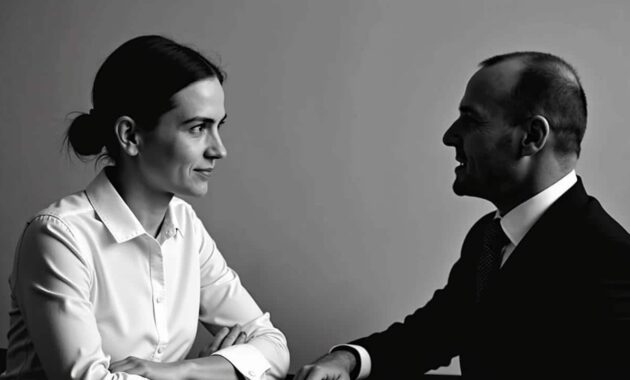
In a world where constant chatter and noise have become the norm, some individuals find solace in the tranquility of silence. Recent studies suggest that this preference for quietude may subtly reflect certain personality traits, shedding light on the inner workings of the human mind.
The act of choosing silence over pointless conversations is not merely a matter of personal preference; it can actually reveal fascinating insights about an individual’s psychological makeup. As researchers delve deeper into this phenomenon, they are uncovering a nuanced understanding of the individuals who embrace the power of silence.
Far from being a sign of social awkwardness or discomfort, this inclination towards silence can often signal a deep level of self-awareness, introspection, and a desire for meaningful connections. In a world that often values extroversion and constant interaction, these individuals stand out as a refreshing counterpoint, reminding us of the importance of balance and the transformative potential of quiet contemplation.
The Quiet Advantage: Exploring the Psychological Benefits of Silence
Numerous studies have shown that individuals who prefer silence over superficial chatter often exhibit a heightened level of emotional intelligence and self-regulation. These individuals are adept at navigating the complexities of social interactions, understanding when to speak and when to listen, and finding fulfillment in the depths of their own thoughts and reflections.
By embracing silence, these individuals create space for deeper introspection, allowing them to process their experiences, emotions, and ideas more effectively. This introspective nature often translates into a greater capacity for empathy, problem-solving, and creative thinking, as they are able to tap into the wealth of insights that can arise in the stillness.
Interestingly, research suggests that this preference for silence is not necessarily a static trait, but rather a fluid characteristic that can shift and evolve throughout an individual’s life. As people navigate different stages of their personal and professional journeys, their need for quiet contemplation may ebb and flow, reflecting the changing demands and priorities in their lives.

The Silent Introverts: Debunking the Myths
One common misconception about individuals who prefer silence is that they are inherently introverted or socially awkward. However, the reality is often more nuanced. While some of these “silent types” may indeed identify as introverts, there are also many who possess a strong social acumen and enjoy meaningful interactions with others.
The distinction lies in the way these individuals approach social situations. Rather than engaging in mindless chatter or small talk, they often seek out deeper, more meaningful conversations that allow them to connect on a more profound level. This preference for quality over quantity in social interactions can sometimes be mistaken for shyness or disinterest, when in reality, it is a reflection of their thoughtful and deliberate approach to human connections.
Furthermore, research has shown that individuals who prefer silence are often highly observant, attuned to the nuances of social dynamics, and skilled at reading between the lines. This heightened awareness can make them invaluable assets in various professional and personal settings, where the ability to discern unspoken cues and navigate complex social landscapes is highly prized.

The Quiet Contemplation: Embracing the Solitude
For those who prefer silence, the act of embracing solitude is not a sign of isolation or withdrawal, but rather a conscious choice to cultivate inner peace and self-reflection. These individuals understand the profound value of solitary moments, where they can unplug from the constant stimuli of the outside world and dive deep into their own thoughts, emotions, and creative impulses.
By carving out dedicated time for quiet contemplation, these individuals are able to recharge, gain clarity, and tap into their deepest sources of inspiration and problem-solving abilities. This practice of mindful solitude can have far-reaching benefits, from improved mental well-being and emotional regulation to enhanced creativity and decision-making skills.
Interestingly, studies have shown that the preference for silence is not limited to any specific age group or demographic. Across generations, individuals from diverse backgrounds are embracing the power of quiet reflection, recognizing it as a valuable tool for personal growth, stress management, and overall well-being.

The Art of Balancing Silence and Socialization
For individuals who thrive on silence, finding the right balance between solitude and social interaction can be a delicate dance. While they may deeply value their quiet moments, they also recognize the importance of maintaining meaningful connections with others and contributing to the larger social fabric.
The key, experts suggest, lies in developing the ability to be comfortable in both environments – to seamlessly transition between moments of solitude and moments of engaged socialization. This flexibility allows these individuals to reap the benefits of both, fostering a sense of well-being and fulfillment that goes beyond the confines of any single lifestyle choice.
By cultivating this balance, these individuals are able to navigate the complex social landscape with grace, offering their unique perspectives and insights while also respecting their own need for quiet contemplation. In doing so, they not only enrich their own lives but also contribute to a more harmonious and understanding society.

The Silent Influencers: The Power of Quiet Leadership
Contrary to the common perception of leadership as a loud and extroverted endeavor, research has shown that individuals who prefer silence can often make exceptional leaders. These “quiet leaders” possess a unique blend of attributes that allow them to inspire and guide others in profound ways.
By listening more than they speak, these individuals are able to deeply understand the needs, concerns, and perspectives of their team members. This heightened empathy and attunement to the subtle cues of their environment allows them to make informed, thoughtful decisions that resonate with their followers. Additionally, their ability to create space for reflection and contemplation can foster a culture of innovation and creative problem-solving.
Interestingly, studies have found that quiet leaders often excel in fields where deep analysis, strategic thinking, and long-term vision are paramount, such as in the realms of science, technology, and academia. By leveraging their preference for silence, they are able to navigate complex challenges, inspire their teams, and leave a lasting impact on their respective industries.

The Quiet Revolution: Embracing the Power of Silence in a Noisy World
As our world becomes increasingly fast-paced and technologically driven, the value of silence is becoming more evident than ever before. Individuals who embrace the power of quiet are not only finding personal fulfillment but also contributing to a broader cultural shift towards a more balanced and mindful approach to life.
Through their example, these “silent types” are inspiring others to carve out space for solitude, to prioritize deep reflection, and to seek out meaningful connections over superficial interactions. By demonstrating the profound benefits of quiet contemplation, they are challenging the societal norms that often prioritize constant activity and noise over the transformative potential of silence.
As this quiet revolution gains momentum, it is becoming increasingly clear that the preference for silence is not a weakness or a limitation, but rather a strength and a source of resilience in a world that often values the wrong things. By embracing this often-overlooked aspect of the human experience, we can unlock new pathways to personal growth, collective wisdom, and a more harmonious future.

Frequently Asked Questions
What are the key personality traits associated with a preference for silence?
Individuals who prefer silence often exhibit traits such as emotional intelligence, self-awareness, introspection, and a capacity for deep reflection. They tend to be observant, empathetic, and skilled at navigating complex social dynamics.
Is a preference for silence always linked to introversion?
No, not necessarily. While some individuals who prefer silence may identify as introverts, there are many who possess strong social skills and enjoy meaningful interactions with others. The preference for silence is more about the quality of social engagement rather than the quantity.
How can one embrace their preference for silence without feeling “weird” or misunderstood?
The key is to find a balance between solitude and socialization, and to develop the flexibility to move between the two seamlessly. It’s also important to surround oneself with understanding individuals who respect and appreciate the value of quiet contemplation.

Can a preference for silence lead to leadership success?
Yes, research has shown that individuals who prefer silence can make exceptional leaders. Their ability to listen deeply, empathize, and foster a culture of reflection and strategic thinking can make them highly effective in various fields, particularly those that require complex problem-solving and long-term vision.
How can one incorporate more silence into their daily life?
Simple practices like meditation, mindful walks, journaling, and setting aside dedicated “quiet time” can help individuals integrate more silence into their daily routines. It’s also important to be intentional about creating space for solitude, even in the midst of a busy schedule.
Is the preference for silence a fixed personality trait or can it change over time?
The preference for silence is not a static trait but can shift and evolve throughout an individual’s life. As people navigate different stages of their personal and professional journeys, their need for quiet contemplation may ebb and flow, reflecting the changing demands and priorities in their lives.
How can the preference for silence contribute to a more balanced and harmonious society?
By embracing the power of silence and demonstrating its profound benefits, individuals who prefer quietude can inspire a broader cultural shift towards a more mindful and balanced approach to life. This can foster greater empathy, creativity, and mutual understanding, contributing to the creation of a more harmonious and sustainable society.
What are some of the practical benefits of embracing silence in daily life?
Embracing silence can lead to improved mental well-being, emotional regulation, stress management, and enhanced creativity and problem-solving abilities. It can also deepen self-awareness, foster meaningful connections, and promote a greater sense of overall fulfillment and life satisfaction.