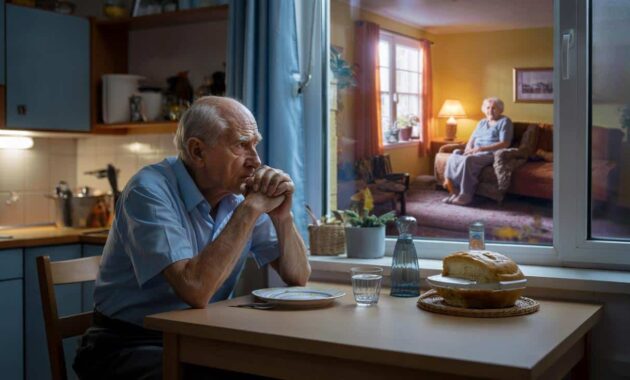
For Martin, the weekends are a fleeting respite from the overwhelming loneliness that consumes his weekdays. As he climbs into his car and drives to the nursing home, a glimmer of normalcy returns to his life. But the moment he steps through the doors, the harsh reality of his situation becomes undeniable.
Martin’s love, the reason for his weekly pilgrimage, resides in the comfort of the nursing home, her memory fading with each passing day. The hours they share together are precious, a chance to reminisce about the life they once shared, to hold onto the fleeting moments of connection. Yet, when he reluctantly departs, Martin is left with a void that no amount of preparation can fill.
The weekdays stretch out before him, an endless expanse of empty hours and the crushing weight of isolation. Martin’s world has been reduced to the four walls of his home, a place that once bustled with life and laughter, now a silent tomb of memories.

A Relationship Tested by Time and Circumstance
Martin and his beloved had always envisioned their golden years as a time of shared adventures and unwavering companionship. They had planned for this, dreaming of a retirement filled with travel, leisure, and the comfort of each other’s presence. But fate had a different plan, and their relationship was put to the ultimate test.
As his partner’s health declined, Martin found himself thrust into the role of caregiver, navigating the complexities of the healthcare system and the emotional toll of watching his loved one slip away. The decision to place her in a nursing home was a difficult one, but ultimately it became a necessity to ensure her well-being.
Now, Martin’s weekends are a bittersweet symphony of laughter and tears, a delicate balance of cherishing the moments they have and grieving the life they once shared. The weekdays, on the other hand, are a relentless march of loneliness, a void that no amount of routine or distraction can fill.

The Loneliness of a Life Divided
For Martin, the weekdays have become a bleak existence, devoid of the warm embrace and familiar laughter that once filled his home. The absence of his partner’s presence is palpable, a gaping hole in his daily life that no amount of television, books, or hobbies can fully address.
The simple tasks that were once shared, like preparing meals or engaging in conversation, have become a solitary endeavor, leaving Martin feeling adrift and disconnected. The once-vibrant kitchen, a hub of culinary creativity and shared experiences, now stands empty, a silent witness to the erosion of his identity.
As Martin’s social connections diminish and new ones form slowly, he finds himself grappling with a profound sense of loneliness. The weekends, when he is reunited with his beloved, offer a brief respite, but the contrast with the weekdays only serves to underscore the depths of his isolation.
Navigating the Emotional Landscape
The emotional toll of Martin’s situation is immense, a constant tug-of-war between the love he feels for his partner and the overwhelming sense of loss he experiences in her absence. He finds himself caught in a delicate dance, cherishing the moments they share while also confronting the harsh realities of their new reality.
Grief and guilt often plague Martin, as he struggles to reconcile his desire to provide the best possible care for his beloved with the deep ache of their separation. The weekends, once a source of joy and connection, are now tinged with a bittersweet melancholy, as Martin grapples with the knowledge that the life they once shared is irrevocably changed.
Yet, in the face of these challenges, Martin finds solace in the small moments of connection and the unwavering love that still binds them together. He draws strength from the memories they’ve built and the hope that, even in the face of adversity, their bond will endure.

The Role of Community and Support
As Martin navigates this difficult chapter, the support and understanding of his community have become invaluable. Neighbors and friends have stepped in, offering assistance with tasks and providing a listening ear when the weight of loneliness becomes too heavy to bear.
These small acts of kindness, from a shared meal to a spontaneous visit, have become a lifeline for Martin, reminding him that he is not alone in his struggle. The presence of these compassionate individuals has helped to alleviate the isolation he experiences during the weekdays, offering a glimmer of hope and connection in the midst of his challenges.
Furthermore, Martin has sought out resources and support groups that cater to those in similar situations, finding solace in the shared experiences and practical advice of others who understand the unique challenges of maintaining a relationship while one partner resides in a nursing home.

Navigating the Road Ahead
As Martin continues to navigate this complex emotional landscape, he is faced with the daunting task of redefining his identity and finding a new sense of purpose in the absence of his partner’s daily presence. The weekdays, once a seamless part of his life, have become a battleground of loneliness and self-discovery.
Yet, Martin remains steadfast in his commitment to his beloved, determined to cherish every moment they have together and to honor the life they’ve built. He is exploring new hobbies, reconnecting with old friends, and seeking out opportunities to engage with his community, all in an effort to fill the void and find a sense of belonging.
Though the road ahead is uncertain, Martin knows that he is not alone in his journey. With the support of his loved ones and the resilience he’s cultivated over the years, he is confident that he can weather the storms of this new chapter and find moments of joy and fulfillment, even in the face of such profound loss.

Coping Strategies and Finding Hope
For those in similar situations, Martin offers a glimmer of hope and a wealth of practical advice. He has learned the importance of maintaining a routine, setting aside dedicated time for self-care, and actively seeking out social connections, whether through support groups, volunteer work, or simply reaching out to neighbors and friends.
Equally crucial, Martin emphasizes the need to honor the memories and cherish the time spent with one’s partner, even in the midst of the challenges. By focusing on the love that binds them, rather than the distance that separates them, he has found a way to maintain a sense of purpose and to find solace in the moments they still share.
As Martin looks to the future, he is determined to continue advocating for a more comprehensive and compassionate approach to caring for those with declining health, as well as supporting the loved ones who must navigate the complexities of this journey. By sharing his story and lending his voice to this important cause, he hopes to inspire change and provide a beacon of hope for others who find themselves in similar circumstances.

| Weekends | Weekdays |
|---|---|
|
|
“The weekends are the only time when I feel truly alive. It’s the only time I can be with the person I love, the person who has been my everything for so many years. But those moments are fleeting, and the weekdays are a constant battle against the loneliness that consumes me.”
– Martin, 72
“The emotional toll of this situation is immense. It’s a constant tug-of-war between the love I feel for my partner and the overwhelming sense of loss I experience when I’m not with her. But I know that I’m not alone, and that there are resources and support available to help me navigate this journey.”

Frequently Asked Questions
What can I do to support a loved one in a similar situation?
Offer practical assistance, such as help with household tasks or running errands. Provide a listening ear and emotional support, and encourage them to seek out community resources and support groups. Regular visits or phone calls can also make a significant difference.
How can I maintain a sense of connection with my partner in the nursing home?
Find creative ways to stay involved in their care, such as participating in activities or helping with personalized touches in their room. Bring meaningful items or photos to share, and make the most of the time you have together, focusing on the love and memories you share.
What are some strategies for coping with the loneliness during the weekdays?
Establish a routine, set aside time for self-care, and seek out opportunities to engage with your community, whether through volunteer work, social clubs, or simply reaching out to neighbors. Keeping a journal or engaging in hobbies can also provide a sense of purpose and fulfillment.
How can I advocate for better support and resources for those in similar situations?
Connect with advocacy groups, attend local government meetings, or write to your elected representatives to raise awareness and push for policy changes that improve the quality of care and support for both patients and their loved ones. Sharing your story can also inspire others to get involved.
What should I do if I’m struggling with grief or guilt?
Seek out professional counseling or support groups that specialize in caregiver issues and the challenges of maintaining relationships when one partner is in a nursing home. It’s important to prioritize your own mental health and to allow yourself to process the complex emotions you’re experiencing.
How can I help my loved one adjust to life in the nursing home?
Collaborate with the staff to ensure their room is personalized and comfortable, and encourage them to participate in activities and social events. Regular visits and maintaining familiar routines can also help ease the transition and provide a sense of familiarity and comfort.
What resources are available for those in similar situations?
Look into local caregiver support groups, national organizations that specialize in eldercare, and online forums where you can connect with others who understand your experiences. Many communities also offer respite care services or referrals to social workers who can help navigate the healthcare system.
How can I balance my own needs with the demands of caring for my partner?
It’s crucial to prioritize self-care and find ways to recharge, whether through regular breaks, hobbies, or seeking support from friends and family. Remember that taking care of yourself will ultimately allow you to be a better caregiver and partner in the long run.