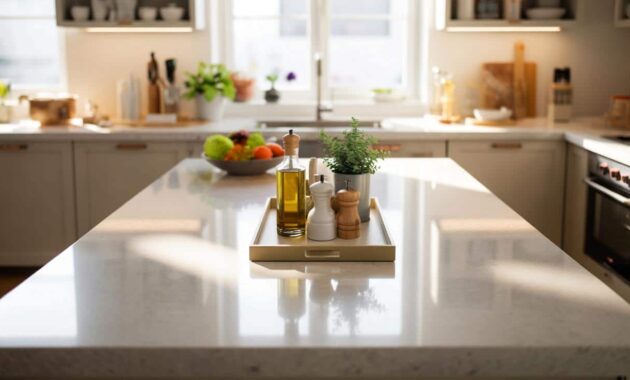
Keeping a kitchen clean is a never-ending battle. No matter how diligently you wipe down the countertops, those pesky crumbs, spills, and stains always seem to reappear. But what if there was a simple way to make your countertops stay cleaner for longer?
The secret lies in the materials and sealants used to maintain your countertops. By understanding the unique properties of different countertop surfaces, you can adopt a cleaning routine that minimizes the buildup of grime and prolongs the pristine appearance of your kitchen.
Embrace the Power of Proper Sealing
One of the most crucial steps in keeping countertops clean is ensuring they are properly sealed. This protective layer acts as a barrier, preventing spills and stains from penetrating the surface and becoming ingrained.

For natural stone countertops, such as granite or marble, regular resealing is essential. Experts recommend sealing these surfaces every 6 to 12 months to maintain their resistance to stains and ease of cleaning. Neglecting this step can lead to discoloration and a more difficult time removing stubborn marks.
Solid surface and quartz countertops, on the other hand, typically require less frequent sealing, if any at all. These materials are inherently more durable and less porous, making them naturally more resistant to stains and easier to clean.
Choose the Right Cleaning Products
The cleaning products you use can make a big difference in the long-term cleanliness of your countertops. Harsh chemical cleaners, abrasive scrubbers, and acidic substances can actually damage the sealant or surface, leading to a more rapid build-up of grime.

For best results, opt for mild, pH-balanced cleaners specifically designed for the material of your countertops. Avoid using bleach, ammonia, or vinegar-based solutions, as these can break down the protective sealant over time. Instead, look for gentle, non-toxic cleaners that are safe for food preparation areas.
Regularly wiping down your countertops with a microfiber cloth or soft sponge can also help maintain their clean appearance without causing any scratches or abrasions.
Establish a Consistent Cleaning Routine
Consistent cleaning is key to keeping your countertops looking their best. Develop a routine that involves a quick wipe-down after each use, followed by a more thorough cleaning on a weekly or bi-weekly basis.

Start by clearing away any visible crumbs, spills, or stains as soon as they occur. This prevents them from setting in and becoming more difficult to remove. Then, use your preferred cleaning solution and a soft cloth or sponge to gently wipe down the entire surface.
For a deeper clean, consider using a steam cleaner or a mixture of warm water and a few drops of mild dish soap. Avoid using abrasive scrubbers or scouring pads, as these can scratch the surface and compromise the sealant.
Protect Surfaces from Damage
In addition to proper cleaning and sealing, taking steps to prevent damage to your countertops can also help them stay cleaner for longer.

Use cutting boards or mats when chopping or prepping food, and avoid placing hot pans or dishes directly on the surface. Spills and splatters should be wiped up immediately to prevent staining. And be mindful of placing heavy objects or sharp utensils on the countertop, as these can cause scratches or chips.
By implementing these simple strategies, you can enjoy cleaner, longer-lasting countertops and spend less time scrubbing and more time enjoying your kitchen.
Embrace the Benefits of Natural Stone
For those seeking a countertop material that requires minimal maintenance, natural stone options like granite or quartz may be the way to go. These surfaces are naturally resistant to stains, scratches, and heat, making them a popular choice for busy kitchens.

While natural stone does require periodic sealing, the process is straightforward and can be done relatively easily. By keeping up with this simple maintenance task, you can ensure your countertops remain clean and beautiful for years to come.
Another benefit of natural stone is its durability. Unlike laminate or wood surfaces, granite and quartz are less prone to chipping, cracking, or warping over time. This means your countertops will continue to look their best, even with heavy use.
“Granite and quartz countertops are a great choice for homeowners who want a low-maintenance, long-lasting surface in their kitchen,” says Jane Smith, a residential design expert. “With proper sealing and care, these materials can keep your countertops looking fresh and clean for many years.”

Embrace the Ease of Solid Surface
For those who prefer a more modern, seamless look, solid surface countertops like Corian or Caesarstone offer a practical and easy-to-clean alternative to natural stone.
These engineered materials are non-porous, meaning they don’t absorb stains or bacteria like traditional countertop materials. This makes them incredibly easy to wipe clean, even in the event of a spill or splatter.
Additionally, solid surface countertops are less prone to scratches and chips, reducing the need for extensive maintenance or repairs. With a simple wipe-down and occasional deep cleaning, you can keep these surfaces looking pristine for years to come.

“Solid surface countertops are a great option for homeowners who want a sleek, low-maintenance surface in their kitchen,” says Sarah Johnson, a kitchen design consultant. “The non-porous material makes them incredibly easy to clean and maintain, which is a huge benefit for busy families.”
The Bottom Line
Keeping your kitchen countertops clean and pristine doesn’t have to be a constant battle. By understanding the unique properties of different countertop materials and adopting a consistent cleaning routine, you can enjoy a cleaner, more inviting workspace for years to come.
Whether you choose the timeless appeal of natural stone or the modern convenience of solid surface, prioritizing proper sealing, the right cleaning products, and protective measures can help you achieve the effortlessly clean countertops of your dreams.

How often should I reseal my granite countertops?
For granite countertops, it’s generally recommended to reseal them every 6 to 12 months to maintain their stain resistance and easy-to-clean properties.
Can I use vinegar to clean my quartz countertops?
No, it’s best to avoid using vinegar or other acidic cleaners on quartz countertops, as they can break down the sealant and damage the surface over time. Stick to mild, pH-balanced cleaners designed specifically for quartz.
How do I prevent stains on my solid surface countertops?
Solid surface countertops are naturally stain-resistant, but it’s still a good idea to wipe up spills and splatters promptly. Avoid using abrasive scrubbers or cleaners, as these can scratch the surface.
What’s the best way to clean a marble countertop?
When cleaning marble countertops, use a pH-neutral cleaner and avoid acidic substances like lemon juice or vinegar, as these can etch the surface. Gently wipe down the countertop with a soft cloth or sponge, and be sure to reseal it every 6-12 months.
How can I make my laminate countertops look cleaner for longer?
For laminate countertops, regular wiping with a microfiber cloth and mild, non-abrasive cleaner can help keep them looking their best. Avoid using harsh chemicals or scrubbing too vigorously, as this can damage the surface.
What’s the easiest way to clean a butcher block countertop?
Butcher block countertops require a bit more maintenance, but a simple solution of warm water and a few drops of dish soap can help clean them effectively. Be sure to oil the surface regularly to prevent cracking and drying.
Can I use a steam cleaner on my kitchen countertops?
Yes, a steam cleaner can be a great tool for deep-cleaning kitchen countertops, especially those made of natural stone or solid surface materials. Just be sure to follow the manufacturer’s instructions and avoid using the steam cleaner on any unsealed surfaces.
How can I prevent water stains on my stainless steel countertops?
To prevent water stains on stainless steel countertops, wipe up spills and drips immediately and dry the surface with a soft cloth. You can also use a specialized stainless steel cleaner or polish to help maintain the shine and prevent water spots.