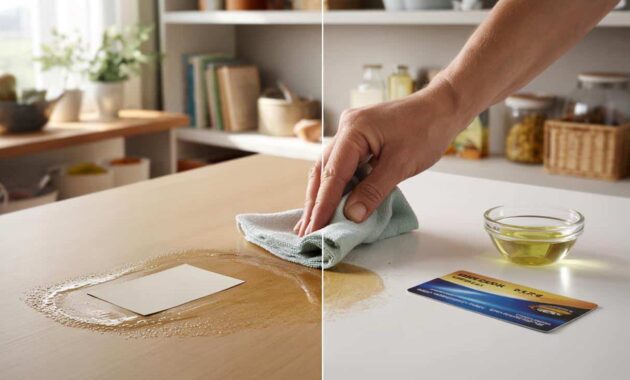
It’s a subtle annoyance that plagues every homeowner and renter – that sticky, stubborn residue left behind when a price tag or label is removed from a shelf or surface. Whether it’s in the kitchen, the bathroom, or the home office, this pesky gunk can quickly turn a tidy space into an eyesore.
But fear not, there are simple and effective ways to tackle this common household challenge without damaging the underlying surface. With a few household items and a little elbow grease, you can say goodbye to that unsightly mess and restore your shelves to their former glory.
The Culprit: Understanding Sticky Residue
The sticky substance that lingers after removing a sticker or label is often a combination of adhesives, oils, and other materials used in the manufacturing process. Over time, as the label ages, these components can become increasingly stubborn, bonding to the surface and resisting removal.

The key to success is finding the right balance between effectively dissolving the residue and protecting the underlying material, whether it’s wood, plastic, or some other finish. Aggressive scrubbing or harsh chemicals can potentially damage the surface, so a gentle and strategic approach is essential.
Fortunately, with a little patience and the right techniques, you can easily reclaim your shelves and surfaces, leaving them clean and looking as good as new.
The Easiest Low-Risk Method: Oil, Time, and Something Plastic
One of the simplest and safest ways to tackle sticky residue is by using a common household oil, such as olive oil or mineral oil. Simply apply a small amount of the oil directly to the affected area, let it soak in for a few minutes, and then gently scrape away the softened residue with a plastic scraper or putty knife.

The oil helps to break down the adhesive, making it easier to remove without damaging the underlying surface. The key is to be patient and let the oil do its work, rather than trying to force the residue off too quickly.
Once the majority of the residue has been removed, you can follow up with a clean cloth or paper towel to wipe away any remaining oil and traces of the adhesive. This gentle, low-risk approach is particularly well-suited for delicate surfaces or materials that could be easily scratched or marred by more abrasive methods.
When the Residue is Older than Your Shelf Organizer
For those stubborn, long-standing sticky spots that have had years to solidify, a slightly more robust approach may be necessary. In these cases, you can try using a small amount of rubbing alcohol or a specialized adhesive remover product.

Apply a few drops of the alcohol or remover to the affected area, let it sit for a minute or two, and then gently scrape away the softened residue. Be mindful of the surface material and test the solution in an inconspicuous area first to ensure it doesn’t cause any discoloration or damage.
If the residue remains particularly stubborn, you can also try a baking soda and water paste. Simply mix a small amount of baking soda with just enough water to create a spreadable paste, apply it to the sticky spot, and let it sit for 10-15 minutes before scraping it away. The abrasive properties of the baking soda can help to lift even the most stubborn adhesive without harming the underlying surface.
A Small Habit that Quietly Upgrades Your Whole Space
In addition to these reactive cleaning methods, there’s also a proactive step you can take to prevent sticky residue from becoming an issue in the first place. Whenever you remove a label or sticker, make it a habit to immediately wipe down the surface with a small amount of rubbing alcohol or a dedicated adhesive remover.

This quick and easy step helps to break down the adhesive before it has a chance to fully bond to the surface, making future removal a breeze. It’s a small investment of time that can pay off significantly in the long run, keeping your shelves and surfaces looking clean and organized with minimal effort.
By incorporating this simple habit into your regular cleaning routine, you can stay one step ahead of stubborn sticky residue and enjoy a tidier, more visually appealing home environment.
The Final Step: Restoring that Shine
Once you’ve successfully removed the sticky residue, the last step is to restore the surface to its former glory. Depending on the material, you can use a gentle cleaner or polish to bring back the shine and luster.

For wood surfaces, a small amount of furniture polish or beeswax can help to nourish and protect the finish. For plastic or laminate shelves, a quick wipe-down with a mild all-purpose cleaner or a solution of warm water and mild dish soap can do the trick.
By taking the time to properly clean and care for your shelves and surfaces, you can maintain a tidy, visually appealing home environment that reflects your attention to detail and commitment to organization.
The Unexpected Benefits of Clean Shelves
Tackling that stubborn sticky residue may seem like a minor task, but the benefits of a clean, well-maintained home extend far beyond just aesthetics. A clutter-free, organized space can have a profound impact on your overall well-being, reducing stress and promoting a sense of calm and control.

Moreover, by keeping your shelves and surfaces free of unsightly residue, you’re creating an environment that’s easier to maintain and clean. This can save you time and effort in the long run, allowing you to focus on the more enjoyable aspects of homeownership or apartment living.
So, the next time you spot that telltale sticky outline, don’t let it linger. Embrace the challenge, use the right techniques, and reclaim your space – your future self will thank you for it.
Frequently Asked Questions
What is the best way to remove sticky residue from shelves?
The easiest low-risk method is to use a common household oil, such as olive oil or mineral oil. Apply a small amount to the affected area, let it soak in for a few minutes, and then gently scrape away the softened residue with a plastic scraper or putty knife.

Can I use vinegar to remove sticky residue?
Yes, vinegar can also be an effective solution for removing sticky residue. Mix equal parts vinegar and water, apply the solution to the affected area, and let it sit for a few minutes before wiping away the softened residue.
Will rubbing alcohol damage the surface of my shelves?
Rubbing alcohol can be slightly more aggressive than other methods, so it’s important to test it on a small, inconspicuous area first to ensure it doesn’t cause any discoloration or damage to the surface material. Used sparingly and with caution, it can be an effective tool for removing stubborn residue.
How do I prevent sticky residue from forming in the first place?
Develop the habit of immediately wiping down surfaces with a small amount of rubbing alcohol or adhesive remover after removing labels or stickers. This helps break down the adhesive before it has a chance to fully bond to the surface.

What should I do if the residue won’t come off completely?
If the residue remains particularly stubborn, try making a paste with baking soda and water. Apply the paste to the affected area, let it sit for 10-15 minutes, and then gently scrape it away. The abrasive properties of the baking soda can help lift even the most stubborn adhesive.
Can I use a magic eraser to remove sticky residue?
While a magic eraser can be effective for removing sticky residue, it’s important to use it with caution, as the abrasive nature of the eraser could potentially damage the surface material. Test it in an inconspicuous area first, and avoid using it on delicate surfaces.
How do I restore the shine to my shelves after removing the residue?
For wood surfaces, use a small amount of furniture polish or beeswax to nourish and protect the finish. For plastic or laminate shelves, a quick wipe-down with a mild all-purpose cleaner or a solution of warm water and mild dish soap can help restore the shine.
Is there a way to prevent sticky residue from forming in the first place?
Yes, developing the habit of immediately wiping down surfaces with a small amount of rubbing alcohol or adhesive remover after removing labels or stickers can help prevent sticky residue from forming in the first place. This proactive step can save you time and effort in the long run.