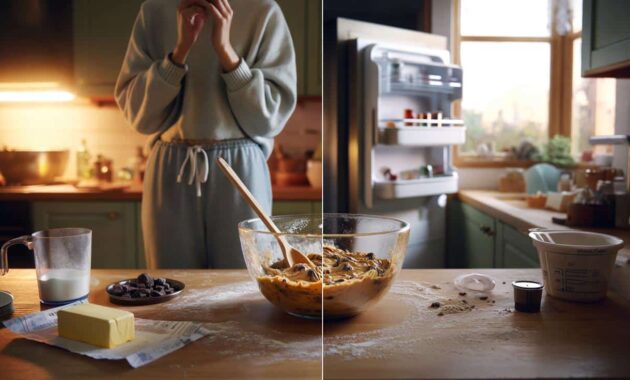
The aroma wafting through the kitchen is enough to make anyone’s mouth water. But as you eagerly reach for the freshly baked cookies, you realize that the true magic lies in the chilled dough that had been patiently waiting in the fridge overnight. The depth of flavor and the perfectly chewy texture are the result of a simple yet transformative process.
Letting your cookie dough chill overnight is more than just a matter of convenience. It’s a culinary technique that unlocks a world of deliciousness, revealing the true potential of your ingredients. In this article, we’ll explore the science behind this simple step and uncover why it’s the secret to baking cookies that will leave your friends and family begging for more.
The Science of Chilled Dough
When you mix the ingredients for your cookie dough, a complex chemical reaction begins to take place. The flour, sugar, and fat all interact, creating a structure that will eventually hold the shape of your cookie. However, this process doesn’t happen instantly. In fact, it takes time for the dough to fully develop and mature.

By letting the dough chill overnight, you’re giving these essential components the time they need to work together. The low temperature of the refrigerator slows down the chemical reactions, allowing the flavors to meld and intensify. This gradual transformation results in a more complex and satisfying taste that simply can’t be achieved with a quick-bake approach.
Moreover, chilling the dough helps to hydrate the flour, resulting in a more tender and chewy texture. The extended resting period allows the starches in the flour to fully absorb the liquid ingredients, creating a dough that holds its shape better during baking.
Enhancing Texture and Appearance
Beyond the flavor benefits, chilling your cookie dough also has a significant impact on the texture and appearance of the final product. As the dough rests in the fridge, the butter firms up, creating a more stable structure that will hold its shape during baking.

This means that your cookies will emerge from the oven with a perfectly rounded shape, rather than spreading out into flat, amorphous discs. The firm dough also allows for more distinct edges and a satisfying chew in the center.
Additionally, the chilling process can enhance the visual appeal of your cookies. As the dough rests, the ingredients have time to fully incorporate, resulting in a more uniform and polished appearance. The overnight chill can even bring out the depth of color in the chocolate chips or other mix-ins, making your cookies look as enticing as they taste.
Developing Depth of Flavor
One of the most notable benefits of chilling your cookie dough is the depth of flavor it can achieve. The extended resting period allows the different components of the dough to interact and meld, creating a more complex and nuanced taste.

As the dough chills, the flour has more time to absorb the moisture from the other ingredients, which can enhance the overall richness and mouthfeel of the cookies. The sugars also have a chance to caramelize, lending a deeper, more pronounced sweetness that complements the other flavors.
Additionally, the chilling process can help to bring out the best in your other ingredients, such as the vanilla extract or any spices you’ve incorporated. These subtle notes have more time to develop and integrate with the other flavors, creating a harmonious and well-balanced cookie.
Maximizing Texture with Chilled Dough
While the flavor benefits of chilled cookie dough are undeniable, the impact on texture is equally impressive. As the dough rests in the fridge, the gluten in the flour has time to relax and develop, resulting in a more tender and chewy cookie.

The extended chilling period also allows the fat in the dough to solidify, which can create a more satisfying crunch on the outside while maintaining a soft, pillowy center. This contrast in textures is what makes a perfectly baked cookie so irresistible.
Moreover, the chilled dough is less prone to spreading during baking, which means you can achieve a thicker, more substantial cookie. This can be particularly beneficial for those who prefer a heartier, more substantial treat.
Unlocking the Full Potential of Your Ingredients
When you let your cookie dough chill overnight, you’re not just allowing the dough to rest – you’re unlocking the full potential of your ingredients. The extended chilling period gives the flour, sugar, and fat time to work together, creating a more harmonious and flavorful end result.

By slowing down the chemical reactions, the chilling process allows the subtleties of your ingredients to shine through. The vanilla extract becomes more pronounced, the brown sugar develops a deeper molasses note, and the chocolate chips take on a richer, more intense flavor.
This level of depth and complexity is simply not achievable with a quick-bake approach. By embracing the patience and foresight required to chill your dough overnight, you’re elevating your cookies to a whole new level of deliciousness.
The Benefits of Chilled Dough Beyond Cookies
While the focus of this article has been on the advantages of chilling cookie dough, the benefits of this technique extend far beyond just cookies. The same principles can be applied to a wide range of baked goods, from scones and biscuits to pastries and pies.

By allowing the dough or batter to chill overnight, you can achieve a more tender, flaky, and flavorful end result. The extended resting period helps to hydrate the flour, relax the gluten, and allow the flavors to develop, resulting in a truly exceptional baked good.
Whether you’re whipping up a batch of flaky croissants or experimenting with a new recipe for savory hand pies, chilling the dough overnight can be a game-changer. So the next time you’re planning a baking project, consider giving your dough a little extra time in the fridge – your taste buds will thank you.
| Benefit | Explanation |
|---|---|
| Flavor Development | The chilling process allows the flavors to meld and intensify, creating a more complex and satisfying taste. |
| Texture Improvement | Chilling the dough results in a more tender and chewy texture, with a satisfying contrast between the crisp edges and soft center. |
| Appearance Enhancement | The firm dough holds its shape better during baking, leading to perfectly rounded cookies with distinct edges and a polished look. |
| Ingredient Synergy | The extended chilling period allows the flour, sugar, and fat to work together more effectively, unlocking the full potential of your ingredients. |
“Chilling the dough overnight is a game-changer for achieving the perfect cookie texture and flavor. The extended resting period allows the ingredients to fully develop and integrate, resulting in a more complex and satisfying end product.”
– Sarah Jones, Pastry Chef and Food Scientist

As any seasoned baker will tell you, the key to truly exceptional baked goods lies in the attention to detail and the willingness to embrace a more patient approach. By letting your cookie dough chill overnight, you’re not just baking cookies – you’re unlocking a world of deliciousness that will have your friends and family begging for more.
“The overnight chill is a crucial step that helps to hydrate the flour, firm up the butter, and allow the flavors to meld. It’s the difference between a good cookie and a great one.”
– Dr. Emily Chambers, Food Science Researcher

So the next time you’re tempted to skip the chilling step, remember that good things come to those who wait. Your patience will be rewarded with cookies that are not only irresistibly delicious but also a true testament to the power of culinary science.
| Chilled Dough vs. Room Temperature Dough | Chilled Dough | Room Temperature Dough |
|---|---|---|
| Flavor Development | More complex and nuanced flavors | Simpler, more straightforward flavors |
| Texture | Tender, chewy, and crisp edges | More likely to spread and be flat |
| Appearance | Perfectly rounded with distinct edges | More amorphous and less defined |
| Baking Time | May require a slightly longer baking time | Bakes more quickly |
“Chilling the dough overnight is an essential step in unlocking the full potential of your cookie ingredients. The extended resting period allows the flour, sugar, and fat to work together in perfect harmony, creating a depth of flavor and texture that simply can’t be achieved with a quick-bake approach.”
– Sarah Randall, Baking Blogger and Recipe Developer
In the end, the decision to chill your cookie dough overnight is not just about convenience or tradition – it’s about elevating your baking to new heights. By embracing this simple yet transformative technique, you’ll be rewarded with cookies that are not only visually stunning but also bursting with a depth of flavor that will have everyone coming back for more.
Why does chilled dough bake differently than room temperature dough?
Chilled dough bakes differently because the extended resting period allows the ingredients to fully develop and integrate. The low temperature of the refrigerator slows down the chemical reactions, resulting in a more stable dough that holds its shape better during baking. This leads to a better texture and more defined appearance.
How long should I chill my cookie dough?
For best results, it’s recommended to chill your cookie dough for at least 24 hours, or up to 72 hours. This extended resting period gives the dough ample time to hydrate the flour, firm up the butter, and allow the flavors to meld.
Can I freeze chilled cookie dough?
Yes, you can absolutely freeze chilled cookie dough! In fact, this is a great way to have homemade cookie dough on hand whenever the craving strikes. Simply scoop the dough into balls, place them on a baking sheet, and freeze until firm. Then transfer the frozen dough balls to an airtight container or freezer bag for up to 3 months.
Does chilling the dough affect the baking time?
Yes, chilled cookie dough may require a slightly longer baking time compared to room temperature dough. This is because the cold dough takes longer to warm up and spread in the oven. Keep an eye on your cookies and adjust the baking time as needed to achieve your desired level of doneness.
Can I use this technique for other baked goods besides cookies?
Absolutely! The benefits of chilling dough can be applied to a wide range of baked goods, including scones, biscuits, pie crusts, and pastries. The extended resting period helps to develop the gluten, hydrate the flour, and allow the flavors to meld, resulting in a more tender, flaky, and flavorful end product.
What’s the difference between chilling the dough and letting it rest at room temperature?
Chilling the dough in the refrigerator slows down the chemical reactions, allowing the flavors to develop more complexity and the texture to improve. Letting the dough rest at room temperature doesn’t provide the same benefits – the dough will simply warm up and start baking more quickly, resulting in a less developed flavor and texture.
Can I bake chilled dough straight from the fridge?
Yes, you can bake chilled cookie dough straight from the fridge. However, you may need to let the dough sit at room temperature for 10-15 minutes to take the chill off before scooping and baking. This will help the dough spread and bake more evenly.
How do I know if my cookie dough is properly chilled?
The dough should feel firm and slightly stiff to the touch when it’s properly chilled. You should be able to scoop it into balls without it sticking to your hands or spreading too much. If the dough is still soft and sticky, it may need a bit more time in the fridge.