It’s a sight that takes the breath away – the Mar Menor, a vast, glittering lagoon nestled along the eastern coast of Spain. But beneath the shimmering waters, a silent crisis is unfolding. Years of agricultural runoff and pollution have taken a heavy toll, transforming this once-pristine ecosystem into a battleground between nature and human activity.
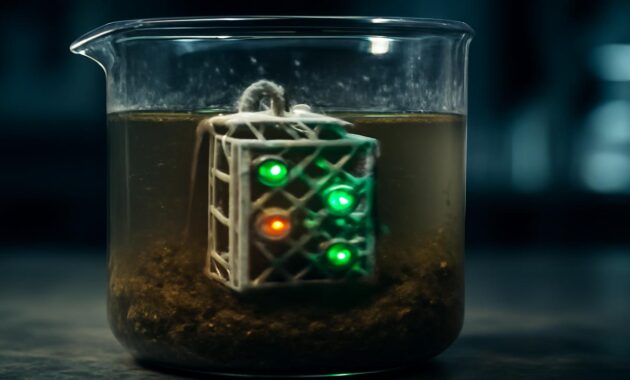
Now, a team of Spanish scientists has stepped up to the challenge, using cutting-edge technology to monitor the flow of polluted water into the Mar Menor. Their weapon of choice? A 3D-printed device that tracks the movement and composition of the water, providing vital data to help policymakers and stakeholders tackle the crisis head-on.
This innovative approach represents a new frontier in the fight to preserve the Mar Menor – and the lessons learned here could have far-reaching implications for water management and environmental protection around the world.

A Lagoon on the Edge
The Mar Menor is a unique and precious natural resource, a shallow lagoon that has long been a beloved destination for swimmers, sailors, and nature enthusiasts. But in recent years, the delicate balance of this ecosystem has been pushed to the brink.
Decades of intensive agriculture in the surrounding region have led to an overabundance of nutrients – primarily nitrogen and phosphorus – flowing into the lagoon. This has triggered an explosion of algae growth, which in turn depletes the water of oxygen and suffocates other marine life.
The consequences have been devastating. Massive fish and marine life die-offs have become a regular occurrence, and the once-clear waters of the Mar Menor have taken on a murky, greenish hue. The crisis has even prompted the Spanish government to declare the lagoon a “zone of special protection,” but the problems persist.

The Problem Arrives in a Glass
To understand the scale of the challenge facing the Mar Menor, one need look no further than a simple glass of water. Researchers from the University of Murcia have been collecting samples from the lagoon’s waterways, and the results are sobering.
“In some cases, the levels of nitrates and phosphates in the water are up to 10 times higher than what’s considered safe for a healthy ecosystem,” explains Dr. María Dolores Esteve, a marine biologist who has been studying the Mar Menor for years.
These excess nutrients, she says, are fueling the growth of harmful algae, which in turn are depleting the oxygen in the water and suffocating other forms of marine life. “It’s a vicious cycle that’s putting the entire lagoon at risk,” Esteve warns.

A 3D‑Printed Guardian
Faced with this daunting challenge, the researchers at the University of Murcia have turned to a novel solution: a 3D-printed device that can track the flow of polluted water into the Mar Menor in real-time.
The device, known as a “flow sensor,” is equipped with a range of sensors that measure the volume, velocity, and chemical composition of the water as it enters the lagoon. This data is then transmitted to a central monitoring system, providing scientists and policymakers with a detailed, up-to-the-minute picture of the crisis unfolding beneath the surface.
“Having this kind of granular, real-time data is crucial for understanding the dynamics of the problem and developing effective solutions,” says Dr. Javier Gilabert, the lead researcher on the project. “It allows us to pinpoint the specific sources of pollution and target our efforts accordingly.”

Farmers, Fields, and Difficult Conversations
But tackling the crisis in the Mar Menor is not just a matter of technology and data – it also requires navigating a complex web of stakeholders, interests, and political realities.
“The farmers in the region are critical to the solution, but they’ve also been resistant to change. We need to find a way to work with them, to show them that protecting the lagoon is in everyone’s best interest.”
Dr. Esteve, the marine biologist, knows this all too well. She has been engaging in a delicate balancing act, trying to balance the needs of the agricultural community with the imperative of preserving the Mar Menor’s fragile ecosystem.
“It’s a difficult conversation, but it’s one we have to have,” she says. “We need to find a way to reduce the nutrient load in the water without crippling the local economy. It’s a challenge, but it’s one we’re committed to taking on.”
Printing the Future of Water Stewardship
As the researchers continue to refine their 3D-printed flow sensor, they are also exploring ways to scale up their efforts and share their findings with a broader audience.
“Our goal is to create a model that can be replicated in other vulnerable ecosystems around the world,” says Dr. Gilabert. “The lessons we’re learning here in the Mar Menor could have profound implications for how we approach water management and environmental protection on a global scale.”

To that end, the team is working to make the flow sensor design open-source, allowing other researchers and communities to build and deploy their own versions of the device. They are also collaborating with policymakers and stakeholders to ensure that the data collected by the sensors informs and guides the decision-making process.
It’s a ambitious undertaking, but the researchers are undaunted. They know that the future of the Mar Menor – and perhaps the future of water stewardship around the world – hangs in the balance.
A Cautionary Tale and a Glimmer of Hope
The crisis unfolding in the Mar Menor is a cautionary tale, a stark reminder of the fragility of our natural ecosystems and the consequences of unchecked human activity. But it is also a story of resilience, innovation, and the power of human ingenuity to tackle even the most daunting challenges.

Through the efforts of the researchers at the University of Murcia, the Mar Menor has become a testing ground for a new approach to water management – one that combines cutting-edge technology, collaborative policymaking, and a deep understanding of the complex interplay between human and natural systems.
As the world grapples with the growing threat of environmental degradation, the lessons learned in the Mar Menor could prove invaluable. And with a little bit of luck, and a lot of hard work, this jewel-like lagoon on the eastern coast of Spain may yet have a chance to reclaim its former glory.
FAQs
What is the Mar Menor, and why is it important?
The Mar Menor is a shallow, saltwater lagoon located on the southeastern coast of Spain. It is a unique and ecologically valuable ecosystem, known for its crystal-clear waters and diverse marine life. The lagoon is an important recreational and economic resource for the local region.

What is the main problem facing the Mar Menor?
The primary issue facing the Mar Menor is excessive nutrient pollution, primarily from agricultural runoff in the surrounding area. This has led to an explosion of algae growth, which in turn has depleted the water of oxygen and caused massive die-offs of fish and other marine life.
How are Spanish scientists trying to address the problem?
Researchers at the University of Murcia have developed a 3D-printed device that can track the flow and composition of water entering the Mar Menor in real-time. This data is being used to pinpoint the sources of pollution and guide efforts to reduce nutrient loads and restore the lagoon’s ecological balance.
What are the challenges in addressing the crisis in the Mar Menor?
One of the key challenges is navigating the complex web of stakeholders, including local farmers, policymakers, and environmental advocates. There is a need to find a balanced approach that addresses the pollution problem while also supporting the region’s agricultural economy.
How could the lessons from the Mar Menor be applied elsewhere?
The researchers hope that the 3D-printed flow sensor technology and the collaborative, data-driven approach they are using in the Mar Menor can serve as a model for addressing water management and environmental protection challenges in other vulnerable ecosystems around the world.
What is the current state of the Mar Menor, and what is the outlook for the future?
The Mar Menor remains in a critical state, with ongoing issues of algae growth, oxygen depletion, and mass die-offs of marine life. However, the efforts of the researchers at the University of Murcia, along with increased attention and policy action, offer a glimmer of hope that the lagoon can be restored to its former ecological health.
Who are the key experts and stakeholders involved in the effort to save the Mar Menor?
The key experts involved in the effort include marine biologists and researchers from the University of Murcia, such as Dr. María Dolores Esteve and Dr. Javier Gilabert. The stakeholders include local farmers, policymakers, and environmental advocates, all of whom are working to find a balanced solution to the crisis.
What are the broader implications of the work being done in the Mar Menor?
The lessons learned in the Mar Menor could have far-reaching implications for how we approach water management and environmental protection on a global scale. The use of innovative technologies, like the 3D-printed flow sensor, coupled with collaborative, data-driven decision-making, could serve as a model for addressing similar challenges in other vulnerable ecosystems around the world.