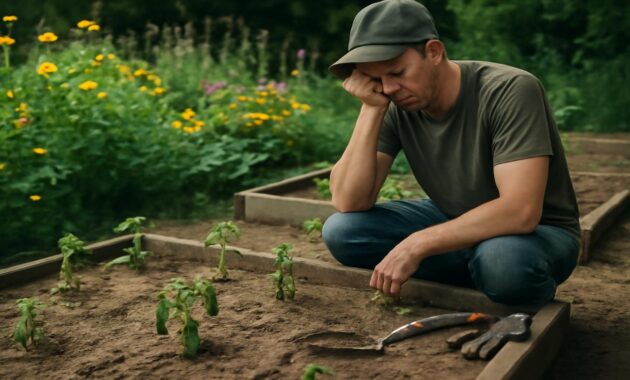
Gardening is a delicate dance between humans and nature, a symphony of growth, decay, and balance. But what happens when our constant efforts to “improve” our gardens disrupt that natural equilibrium? In the pursuit of the perfect, manicured landscape, we may inadvertently create more problems than we solve.
The garden, like any living ecosystem, is a complex web of interdependent relationships. From the soil microbes that nourish our plants to the pollinators that ensure their proliferation, each element plays a vital role in maintaining the overall health and resilience of the garden. Yet, in our quest for control, we often overlook the fragile nature of these connections, tipping the scales and creating unintended consequences.
It’s time to pause, take a step back, and reconsider our approach to garden maintenance. By embracing the power of strategic neglect and redefining our notion of a “good” garden, we may just discover the hidden benefits of letting nature take the lead.

The Perils of Perfectionism: When Overcare Undermines Garden Health
The garden is not a static, lifeless canvas waiting to be painted with our vision of perfection. It is a dynamic, ever-evolving system that thrives on a delicate balance of competition, cooperation, and natural cycles. Yet, in our zeal to create the “perfect” garden, we often resort to heavy-handed interventions that disrupt this delicate equilibrium.
From constantly weeding out “unwanted” plants to over-fertilizing and over-watering, our attempts to maintain a pristine, manicured appearance can have unintended consequences. These actions can upset the natural nutrient cycling, alter soil pH, and even discourage the presence of beneficial organisms that play a crucial role in the garden’s overall health.
The result? A garden that becomes increasingly dependent on our constant care, vulnerable to pests, diseases, and environmental stresses. In our pursuit of perfection, we may inadvertently create a fragile, high-maintenance ecosystem that requires ever-increasing levels of intervention to sustain.

The Hidden Costs of Constant Improvement
The drive to constantly “improve” our gardens can come at a significant cost, both financial and environmental. As we pour resources into maintaining our idealized vision, we may overlook the hidden expenses that accumulate over time.
From the energy and water consumed in excessive watering and mowing to the chemical inputs required to combat pests and weeds, the financial toll of relentless garden maintenance can quickly add up. Moreover, the environmental impact of these practices, such as the release of greenhouse gases and the contamination of waterways, often goes unnoticed.
But the true cost of our perfection-seeking ways may be the gradual erosion of the garden’s natural resilience. As we disrupt the delicate balance of the ecosystem, we undermine its ability to adapt and thrive on its own, leaving it increasingly vulnerable to external stresses and threats.

Embracing the Power of Strategic Neglect
The solution to this conundrum may lie in a counterintuitive approach: strategic neglect. By stepping back and allowing the garden to breathe, we can create the conditions for a more robust, self-sustaining ecosystem to emerge.
This doesn’t mean abandoning the garden altogether; rather, it’s about finding the right balance between active management and passive observation. By identifying and addressing only the most critical issues, we can free up resources and create space for the garden to develop its own natural defenses.
Through this approach, we may witness the unexpected: a garden that thrives with minimal intervention, one that is better equipped to withstand pests, diseases, and environmental changes. This is the power of strategic neglect – allowing the garden to find its own rhythm and unleashing its inherent resilience.

Redefining What a “Good” Garden Looks Like
As we embrace the concept of strategic neglect, we must also redefine our understanding of a “good” garden. The traditional notion of a perfectly manicured, weed-free landscape may need to give way to a more holistic, nature-centric view.
A “good” garden, in this new paradigm, is one that supports a diverse array of life, from the soil microbes to the pollinators and the birds. It’s a garden that is in harmony with its surroundings, adapting to the unique conditions of its location and thriving without excessive human intervention.
By shifting our mindset, we can learn to appreciate the inherent beauty and resilience of a garden that is allowed to evolve organically. This may mean accepting a few more weeds, embracing a more natural aesthetic, and celebrating the dynamic interplay of life that unfolds within our outdoor oasis.

Letting Go Without Walking Away
Embracing strategic neglect in the garden does not mean abandoning it altogether. It’s about finding the right balance between active management and passive observation, between our desire for control and the garden’s innate ability to self-regulate.
This is a delicate dance, one that requires us to let go of certain expectations and learn to trust the natural processes at work. It means being willing to step back, observe, and intervene only when necessary – not out of a need for perfection, but out of a genuine desire to support the garden’s overall health and resilience.
By letting go, we open the door to a deeper understanding and appreciation of the garden’s inherent complexity. We may be surprised by the resilience and adaptability that emerges when we allow nature to take the lead, and in doing so, we can discover a new form of gardening that is both sustainable and fulfilling.

| Traditional Gardening Approach | Strategic Neglect Approach |
|---|---|
| Constant maintenance and intervention to achieve a “perfect” garden | Allowing the garden to develop naturally with minimal human interference |
| Heavy use of chemical fertilizers, pesticides, and water | Reliance on organic matter, natural pest control, and water conservation |
| Prioritizing a uniform, manicured appearance | Embracing a more diverse, dynamic, and natural-looking garden |
| High financial and environmental costs | Reduced costs and environmental impact |
“The true mark of a healthy garden is not the absence of weeds, but the presence of a thriving, diverse ecosystem. By letting go of our need for control, we can unlock the garden’s inherent resilience and create a space that truly nourishes life.”
– Dr. Emily Walters, Ecologist and Landscape Architect
As we navigate the complexities of garden maintenance, it’s important to remember that nature operates on its own rhythms and cycles. By embracing strategic neglect and redefining our notion of a “good” garden, we can create a more sustainable, resilient, and fulfilling outdoor oasis – one that truly reflects the delicate balance of the natural world.

“The garden is not a stage to be perfectly curated, but a living, breathing ecosystem that thrives on diversity and balance. When we let go of our need for control, we open ourselves to the wonder and resilience of the natural world.”
– Sarah Henning, Sustainable Gardening Advocate
“Nature is not a machine to be fixed, but a symphony to be conducted.” This simple observation, shared by landscape architect James Corner, encapsulates the essence of strategic neglect in the garden. It’s a call to embrace the inherent complexity and dynamism of the natural world, and to find our role as gentle orchestrators, rather than domineering conductors.

| Potential Benefits of Strategic Neglect | Potential Drawbacks of Strategic Neglect |
|---|---|
| Increased resilience and adaptability of the garden ecosystem | Temporary appearance of “messy” or “unkempt” garden during the transition period |
| Reduced maintenance costs and environmental impact | Potential for the spread of invasive or unwanted species if not monitored |
| Promotion of biodiversity and the presence of beneficial organisms | Possible initial decrease in the visual appeal of the garden for some gardeners |
| Opportunity to discover the inherent beauty and dynamics of a self-sustaining garden | Requirement to learn new gardening techniques and adjust expectations |
“Gardening is not about control, but about cultivating a harmonious relationship with nature. When we let go of our need for perfection and embrace the garden’s inherent resilience, we unlock a world of wonder and unexpected beauty.”
– Dr. Maria Gonzalez, Plant Ecologist
In the end, the choice to embrace strategic neglect in the garden is not about abandoning our role as caretakers, but about finding a new way to nurture and support the natural processes at work. It’s about stepping back, observing, and intervening only when necessary – not to achieve an idealized vision, but to foster the garden’s inherent vitality and resilience.
FAQ
What is strategic neglect in gardening?
Strategic neglect in gardening refers to the practice of intentionally reducing the level of maintenance and intervention in a garden, with the goal of promoting the natural ecosystem’s inherent resilience and self-regulating mechanisms.
How does strategic neglect differ from traditional gardening approaches?
Traditional gardening approaches focus on constantly maintaining a perfectly manicured, weed-free appearance through heavy use of chemicals, water, and manual labor. Strategic neglect, on the other hand, embraces a more hands-off approach that allows the garden to develop naturally, with minimal human interference.
What are the potential benefits of strategic neglect?
The potential benefits of strategic neglect include increased resilience and adaptability of the garden ecosystem, reduced maintenance costs and environmental impact, promotion of biodiversity and the presence of beneficial organisms, and the opportunity to discover the inherent beauty and dynamics of a self-sustaining garden.
What are the potential drawbacks of strategic neglect?
The potential drawbacks of strategic neglect include a temporary appearance of a “messy” or “unkempt” garden during the transition period, the potential for the spread of invasive or unwanted species if not monitored, a possible initial decrease in the visual appeal of the garden for some gardeners, and the requirement to learn new gardening techniques and adjust expectations.
How can I implement strategic neglect in my own garden?
To implement strategic neglect in your garden, start by identifying the essential maintenance tasks and focus only on those. Reduce the frequency of weeding, mowing, and other interventions, and allow the garden to develop naturally. Monitor for any invasive species or critical issues, but otherwise, let the garden find its own balance and rhythm.
Will strategic neglect lead to a completely wild and uncontrolled garden?
No, strategic neglect does not necessarily lead to a completely wild and uncontrolled garden. The goal is to find the right balance between active management and passive observation, allowing the garden to develop its own natural defenses and resilience while still addressing any critical issues that may arise.
How do I know if strategic neglect is working in my garden?
You’ll know strategic neglect is working in your garden when you start to see an increase in biodiversity, with a greater variety of plants, insects, and other organisms thriving. The garden may also become more self-sustaining, requiring less intervention from you, and better able to withstand pests, diseases, and environmental stresses.
Is strategic neglect suitable for all types of gardens?
Strategic neglect can be applied to a wide range of garden types, from small urban plots to large-scale landscaping projects. However, the specific approach may need to be tailored to the unique conditions and goals of each garden. It’s important to monitor the garden’s progress and make adjustments as needed to ensure the long-term health and resilience of the ecosystem.