Stepping onto the bathroom scale, you can’t help but notice the needle creeping up ever so slightly. It’s a subtle shift, easy to dismiss as just “getting older.” But deep down, you know something is changing—your muscles don’t quite have the same spring, and tasks that were once effortless now require a bit more effort.
This gradual loss of muscle mass, also known as sarcopenia, is a natural part of the aging process. But the good news is, it doesn’t have to be an inevitable decline. With the right nutritional strategies, you can protect your hard-earned muscle and maintain your strength and independence well into your golden years.
The key? Prioritizing protein-rich foods that pack a powerful punch without relying on meat or cured meats. Here are three superstar options to incorporate into your diet and keep your muscles strong and resilient.

Lentils: Tiny, Humble, and Quietly Powerful
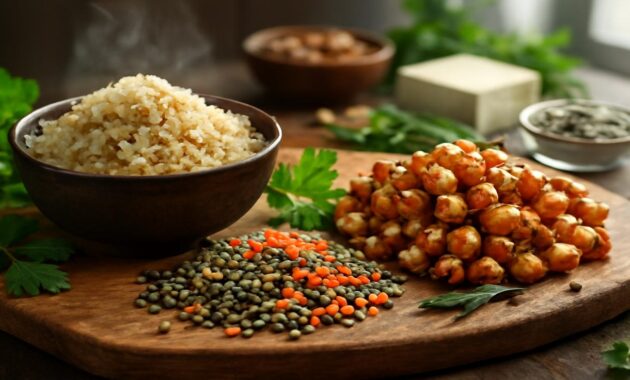
While they may not be the most glamorous protein source, lentils are a true powerhouse when it comes to preserving muscle mass. These tiny legumes are brimming with plant-based protein, packing a substantial 18 grams per cooked cup. What’s more, they’re rich in fiber, complex carbs, and a host of essential vitamins and minerals—all of which work together to support overall health and muscle function.
Best of all, lentils are incredibly versatile. They can be used in everything from hearty soups and stews to flavorful curries and even meat-free burgers. And with their mild flavor, they seamlessly integrate into a wide variety of dishes, making it easy to incorporate them into your daily routine.
For a quick and nourishing lentil-based meal, try a lentil and vegetable curry served over brown rice. Or whip up a batch of lentil sloppy joes—a plant-based twist on a classic that the whole family will love.
Tofu & Tempeh: Gentle, Versatile, and Surprisingly Satisfying
When it comes to protein-rich plant-based options, tofu and tempeh are two of the most powerful players. Both are made from soybeans, but they offer distinct textures and flavors that can be tailored to suit a wide range of culinary preferences.
Tofu, with its soft, custard-like consistency, is a blank canvas that readily absorbs the flavors of the dishes it’s prepared in. This makes it an ideal ingredient for stir-fries, curries, and even desserts. And with a solid 10 grams of protein per half-cup, it’s a nutrient-dense option that can help maintain muscle mass.
Tempeh, on the other hand, has a heartier, more substantial texture that lends itself well to dishes like veggie burgers, tacos, and even bacon-like strips. With 15 grams of protein per half-cup, it’s a powerhouse that can satisfy even the heartiest of appetites.

Greek Yogurt (or High-Protein Plant Yogurt): Creamy Comfort with Muscle Benefits
If you’re craving something creamy and satisfying, look no further than Greek yogurt (or its plant-based counterparts). These protein-rich options are not only delicious, but they also pack a serious nutritional punch.
Traditional Greek yogurt is renowned for its high protein content, with a single serving containing around 20 grams. This makes it an excellent choice for supporting muscle health and recovery, especially when paired with fresh fruit, nuts, or a drizzle of honey.
For those following a plant-based diet, high-protein plant yogurts, such as those made from soy, almond, or coconut, offer a similar nutritional profile. These dairy-free alternatives can provide a solid 10-15 grams of protein per serving, along with a creamy, indulgent texture that satisfies the taste buds.

| Protein-Rich Food | Protein Content (per serving) | Key Benefits |
|---|---|---|
| Lentils | 18 grams (per cooked cup) |
|
| Tofu | 10 grams (per 1/2 cup) |
|
| Tempeh | 15 grams (per 1/2 cup) |
|
| Greek Yogurt | 20 grams (per serving) |
|
| Plant-Based Yogurt | 10-15 grams (per serving) |
|
Putting it all together, these three protein-rich foods—lentils, tofu/tempeh, and Greek yogurt (or plant-based yogurt)—can be the foundation of a diet that supports muscle health and helps prevent the dreaded decline of sarcopenia. By incorporating them into your daily meals, you can ensure that your body has the nourishment it needs to maintain strong, resilient muscles well into your golden years.
“Maintaining muscle mass as we age is crucial for preserving strength, mobility, and overall independence. These plant-based protein sources are an excellent way to meet your protein needs without relying on meat or cured meats, which can sometimes be harder to digest as we get older.”
– Dr. Sarah Johnson, Registered Dietitian and Muscle Health Specialist

Remember, the key is to experiment and find ways to seamlessly weave these powerful protein sources into your everyday meals and snacks. With a little creativity and a commitment to your future self, you can continue to thrive and enjoy an active, independent lifestyle for years to come.
Putting It All Together: A Day of Eating for Strong Muscles
To give you a sense of how these protein-rich foods can be incorporated into your daily routine, here’s an example of what a day of eating might look like:
| Meal | Protein-Rich Dish |
|---|---|
| Breakfast | Greek yogurt with mixed berries, sliced almonds, and a drizzle of honey |
| Lunch | Lentil and vegetable curry over brown rice |
| Snack | Tempeh “bacon” strips with sliced avocado |
| Dinner | Tofu stir-fry with a variety of colorful vegetables |
By making these nutrient-dense foods a regular part of your diet, you can ensure that your body has the building blocks it needs to maintain strong, healthy muscles for years to come.

“Incorporating a variety of protein-rich plant-based foods like lentils, tofu, and Greek yogurt is a fantastic way to support muscle health as we age. These options provide high-quality protein along with a host of other essential nutrients that work together to nourish and strengthen our muscles.”
– Dr. Emily Williamson, Nutrition and Aging Specialist
Remember, the key is to experiment and find ways to seamlessly weave these powerful protein sources into your everyday meals and snacks. With a little creativity and a commitment to your future self, you can continue to thrive and enjoy an active, independent lifestyle for years to come.

The Deeper Story: Eating as an Act of Loyalty to Your Future Self
Maintaining muscle mass as we age is about more than just aesthetics or physical performance—it’s about preserving our independence, our quality of life, and our ability to engage fully with the world around us. By prioritizing protein-rich foods like lentils, tofu, and Greek yogurt, we’re making an investment in our future selves, ensuring that we can continue to live with vigor and vitality for years to come.
It’s a powerful act of self-care, a way of honoring the journey we’ve been on and the journey that lies ahead. And it’s not just about the food on our plates—it’s about the mindset shift that allows us to approach nutrition as a tool for empowerment, rather than a chore or a source of stress.
So as you navigate the path of aging, remember that every bite you take is an expression of your commitment to your future self. By nourishing your body with the right protein-rich foods, you’re investing in your strength, your mobility, and your independence—the priceless gifts that will allow you to embrace the next chapter of your life with open arms.

Frequently Asked Questions
Why is maintaining muscle mass important as we age?
Maintaining muscle mass, or preventing sarcopenia, is crucial as we get older because it helps preserve strength, mobility, and independence. Muscle mass naturally declines with age, but a proactive approach to nutrition and exercise can help slow this process and keep us active and self-sufficient for longer.
Can plant-based protein sources really support muscle health?
Absolutely! Plant-based protein sources like lentils, tofu, and Greek yogurt (or plant-based yogurt) can absolutely support muscle health and mass. These foods provide high-quality protein along with a host of other beneficial nutrients that work together to nourish and strengthen our muscles.
How much protein do I need to maintain muscle mass after 50?
The recommended protein intake for older adults is generally 1.2-1.6 grams of protein per kilogram of body weight per day. For a 150-pound person, that would equate to 82-109 grams of protein per day. Incorporating a variety of protein-rich plant-based foods can help you meet this target.
Are there any downsides to relying on meat or cured meats for protein?
As we age, meat and cured meats can sometimes be harder to digest, and they may also be higher in saturated fat and sodium, which can negatively impact overall health. Plant-based protein sources offer a gentler, more easily digestible option that can still provide the protein needed to support muscle mass.
How can I make these protein-rich foods a regular part of my diet?
Start by experimenting with different recipes and preparation methods to find the ones you enjoy the most. Incorporate lentils into soups, stews, and casseroles, use tofu and tempeh in stir-fries and burgers, and enjoy Greek yogurt or plant-based yogurt as a snack or breakfast option. With a little creativity, you can seamlessly weave these powerful protein sources into your everyday meals.
What other lifestyle factors can help maintain muscle mass as I get older?
In addition to a protein-rich diet, regular strength training exercises, adequate sleep, and managing stress are all important factors for preserving muscle mass and function as we age. Consulting with a healthcare professional can help you develop a comprehensive plan to support your muscle health.
Can these plant-based protein sources help with weight management as well?
Yes, the high-protein and high-fiber content of these foods can actually support healthy weight management by promoting feelings of fullness and satisfaction. Incorporating them into your diet can help you feel energized and satisfied, making it easier to maintain a balanced, nutrient-dense eating plan.
Are there any special considerations for vegetarians or vegans when it comes to maintaining muscle mass?
For vegetarians and vegans, it’s important to ensure you’re getting enough high-quality plant-based protein from a variety of sources, such as lentils, tofu, tempeh, and plant-based yogurt. You may also want to consider adding a vitamin B12 supplement, as this nutrient is primarily found in animal-based foods.