In the midst of the chilly winds and lingering winter chill, March presents a unique opportunity to fortify your immune system with nature’s seasonal bounty. As the days grow longer and the first signs of spring emerge, your shopping basket can become a quiet ally in the fight against unwelcome invaders.
From the leafy greens that pack a punch of vital nutrients to the vibrant roots and citrus fruits bursting with immune-boosting vitamin C, March’s produce aisle is a veritable treasure trove of seasonal gems that can help strengthen your body’s defenses.
Dive in and discover how these humble yet powerful ingredients can transform your plate into a fortress of wellness, keeping you energized and resilient throughout the transition from winter to spring.

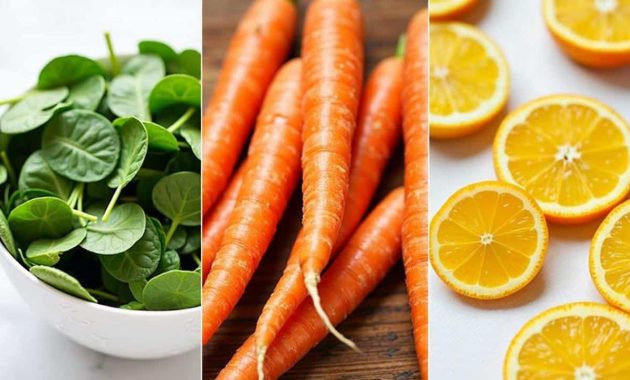
Spinach: the green sheet of armour for your cells
As the days grow longer and the sun’s rays become more intense, your body’s need for antioxidants and anti-inflammatory nutrients increases. Enter spinach, the leafy green powerhouse that can help fortify your cells against oxidative stress and inflammation.
Packed with vitamins A, C, and K, as well as essential minerals like iron, spinach is a true multitasker when it comes to supporting your immune system. Its high content of carotenoids, such as lutein and zeaxanthin, can help protect your cells from damage, while its rich folate levels support the production of new immune cells.
Incorporating spinach into your March meals, whether in salads, smoothies, or sautéed dishes, can provide a steady stream of immune-boosting benefits to help you navigate the changing seasons with ease.
Carrots: bright roots for sharper defences
Vibrant and crunchy, carrots are a March produce staple that can lend a helping hand to your immune system. These bright roots are a treasure trove of beta-carotene, a powerful antioxidant that can help strengthen the body’s natural defenses.
Beta-carotene plays a crucial role in the health and function of your immune cells, helping to enhance their ability to recognize and eliminate threats. Additionally, carrots are a rich source of vitamin C, further bolstering your body’s resistance to infections and illnesses.
Whether you enjoy them raw, roasted, or incorporated into soups and stews, carrots are a versatile and nutrient-dense addition to your March menu that can help you stay resilient during the seasonal shift.

Citrus fruits: March’s vitamin C workhorses
As the days grow chillier and the flu season lingers, it’s time to turn to the bright, tangy citrus fruits that thrive in March. Packed with vitamin C, these immune-boosting superstars can help your body stay one step ahead of the seasonal challenges.
Oranges, grapefruits, lemons, and limes are all rich in vitamin C, a nutrient essential for the proper functioning of your immune system. Vitamin C supports the production and activity of white blood cells, which are responsible for recognizing and eliminating harmful pathogens.
Incorporating a variety of citrus fruits into your March diet, whether through juices, smoothies, or as snacks, can provide a steady supply of this vital nutrient to help keep your immune system strong and resilient.

Other March produce that quietly backs your immune system
While spinach, carrots, and citrus fruits may steal the spotlight, March’s produce aisle offers a host of other seasonal gems that can provide silent support to your immune system.
Broccoli, for instance, is a cruciferous vegetable packed with sulforaphane, a compound that can help boost the body’s natural defenses against infections and diseases. Asparagus, another March favorite, is rich in antioxidants and can help reduce inflammation, which is crucial for maintaining a healthy immune response.
Don’t forget the versatile mushrooms, which contain beta-glucans – natural compounds that can enhance the activity of immune cells and help them better recognize and neutralize threats. By incorporating a diverse array of March produce into your meals, you can create a comprehensive shield of immune-boosting support.

How to build an immune‑friendly March plate
Crafting an immune-boosting March menu is not about rigid rules or strict diets, but rather about mindfully selecting and combining the season’s vibrant and nutrient-dense ingredients.
Start by filling your plate with a generous serving of leafy greens, such as spinach or kale, which can provide a solid foundation of antioxidants and anti-inflammatory compounds. Pair them with brightly colored vegetables like carrots, bell peppers, and broccoli, which are rich in vitamins and carotenoids.
Incorporate citrus fruits, whether in the form of fresh slices, juices, or zest, to ensure a steady supply of immune-strengthening vitamin C. Don’t forget to include other March favorites like mushrooms, asparagus, and even garlic, which can help support your body’s natural defenses.

| Immune-Boosting March Produce | Key Nutrients | Benefits for the Immune System |
|---|---|---|
| Spinach | Vitamins A, C, and K, iron, folate | Antioxidant and anti-inflammatory support, immune cell production |
| Carrots | Beta-carotene, vitamin C | Strengthens immune cell function, supports overall immune response |
| Citrus fruits (oranges, grapefruits, lemons, limes) | Vitamin C | Enhances white blood cell production and activity, supports immune defenses |
| Broccoli | Sulforaphane | Boosts the body’s natural defenses against infections and diseases |
| Mushrooms | Beta-glucans | Enhances immune cell activity and recognition of threats |
Remember, the key to building an immune-friendly March plate is to embrace the season’s bounty and create a vibrant, colorful, and nutrient-dense culinary experience. By doing so, you can support your body’s natural defenses and navigate the changing seasons with greater ease and resilience.
“Eating a diverse array of seasonal fruits and vegetables is one of the best ways to support your immune system. March’s produce is particularly rich in vitamins, minerals, and antioxidants that can help strengthen your body’s natural defenses.”
– Dr. Sarah Garner, Nutritionist and Immunology Specialist

As the days grow longer and the winter chill gradually dissipates, embrace the seasonal gems that March has to offer. By incorporating these immune-boosting powerhouses into your meals, you can create a quiet, yet formidable, line of defense against the challenges of the changing seasons.
| Seasonal Eating: The Benefits | Explanation |
|---|---|
| Nutrient-dense | Seasonal produce is picked at the peak of ripeness, maximizing its nutrient content and providing your body with a concentrated dose of essential vitamins, minerals, and antioxidants. |
| Environmentally friendly | Eating seasonal, locally-grown produce reduces the carbon footprint associated with long-distance transportation and storage, making it a more sustainable choice. |
| Cost-effective | Seasonal produce is often more abundant and, therefore, more affordable, allowing you to stretch your grocery budget further. |
| Increased variety | By embracing the seasons, you can enjoy a wider range of fruits and vegetables throughout the year, preventing dietary boredom and ensuring a diverse nutrient intake. |
“Seasonal eating is a simple yet powerful way to support your overall health and well-being. By focusing on the produce that’s at its peak in March, you can harness the unique benefits of these nutrient-dense ingredients to bolster your immune system and help you thrive throughout the changing seasons.”
– Emma Letts, Registered Dietitian and Seasonal Eating Advocate

Remember, the path to a stronger immune system is often paved with small, realistic steps. By making simple, mindful choices in your March shopping and cooking, you can create a harmonious balance between your plate and your body’s natural defenses, empowering you to face the seasonal shifts with resilience and vitality.
Points to watch: when “healthy” needs a small adjustment
While incorporating immune-boosting March produce into your diet is an excellent strategy, it’s important to be mindful of a few key considerations to ensure you’re getting the most out of these seasonal gems.
First and foremost, be wary of hidden sugars in processed or pre-packaged items, even if they’re marketed as “healthy.” Excessive sugar can actually compromise your immune system, so opt for whole, minimally processed foods whenever possible.
Additionally, pay attention to potential food sensitivities or allergies that may flare up with seasonal changes. If you find that certain March produce items don’t sit well with you, be sure to adjust your intake accordingly and seek guidance from a healthcare professional if needed.
Seasonal eating, explained simply
At its core, seasonal eating is a philosophy that encourages us to align our diets with the natural rhythms of the earth. By focusing on the fruits, vegetables, and other produce that are at their peak during a particular time of year, we can tap into a wealth of nutrient-dense and flavorful ingredients that can support our overall health and well-being.
In the case of March, the produce that thrives during this transitional period is often packed with immune-boosting nutrients, making it an ideal time to fortify your body’s defenses. From the leafy greens that can help reduce inflammation to the bright citrus fruits bursting with vitamin C, March’s seasonal gems can be the quiet allies you need to navigate the changing seasons with ease.
By embracing seasonal eating, you’re not only nourishing your body with the most nutrient-dense and flavorful ingredients, but you’re also supporting local farmers, reducing your environmental impact, and exploring a wider variety of produce throughout the year.
“Seasonal eating is a simple, sustainable way to support your health and the health of the planet. By aligning your diet with the natural rhythms of the seasons, you can unlock a treasure trove of nutrient-dense ingredients that can provide quiet, yet powerful, immune-boosting support.”
– Maria Hernandez, Sustainable Food Systems Consultant
Small, realistic steps for this month
Embracing the immune-boosting power of March’s seasonal produce doesn’t have to be an overwhelming task. Start with small, manageable steps that can gradually transform your plate and support your body’s natural defenses.
Begin by incorporating at least one leafy green, such as spinach or kale, into your daily meals. Whether it’s a hearty salad, a smoothie, or a sautéed side dish, these nutrient-dense greens can provide a solid foundation of antioxidants and anti-inflammatory compounds.
Next, make a conscious effort to include a variety of vibrant, crunchy vegetables like carrots, bell peppers, and broccoli. These March produce staples are packed with immune-supporting vitamins and minerals that can help fortify your body’s natural defenses.
Finally, don’t forget to indulge in the bright, tangy flavors of citrus fruits. Whether you enjoy them as a snack, incorporate them into your cooking, or sip on a refreshing juice, these vitamin C-rich wonders can provide a steady supply of immune-boosting support throughout the month.
Frequently Asked Questions (FAQs)
Why is March a good time to focus on immune-boosting produce?
March marks the transition from winter to spring, a time when our bodies may be more susceptible to seasonal changes and challenges. The produce that thrives during this period is often rich in nutrients that can help strengthen the immune system, making March an ideal time to focus on incorporating these seasonal gems into your diet.
What are some other immune-boosting March produce options?
In addition to spinach, carrots, and citrus fruits, March produce offers a variety of other immune-supporting options, such as broccoli, asparagus, mushrooms, and garlic. These ingredients contain a range of beneficial compounds, from antioxidants to anti-inflammatory nutrients, that can help bolster your body’s natural defenses.
How can I incorporate more immune-boosting March produce into my meals?
Start by making small, manageable changes, such as adding a handful of spinach to your morning smoothie, roasting a mix of vegetables including carrots and broccoli, or incorporating citrus fruits into your salads, dressings, or desserts. Gradual, consistent changes can make a significant impact on your overall immune health.
Are there any potential downsides to eating too much immune-boosting produce?
While consuming a variety of immune-boosting produce is generally beneficial, it’s important to be mindful of potential food sensitivities or allergies that may arise with seasonal changes. Additionally, be wary of hidden sugars in processed or pre-packaged items, as excessive sugar can have a negative impact on the immune system.
How long do the immune-boosting benefits of March produce last?
The immune-boosting benefits of March produce can last well beyond the month itself. The nutrients and compounds found in these seasonal gems can continue to support your body’s defenses as you transition into the spring and summer months. Maintain a diverse, plant-rich diet throughout the year to ensure sustained immune support.
Can I freeze or preserve March produce to enjoy its benefits later?
Absolutely! Many March produce items, such as spinach, carrots, and citrus fruits, can be frozen or preserved through canning or dehydrating. This allows you to enjoy the immune-boosting properties of these seasonal gems long after March has passed, helping you maintain a consistent supply of nutrient-dense ingredients.
Are there any specific ways to maximize the immune-boosting potential of March produce?
Yes, a few simple tips can help you get the most out of your March produce: opt for organic whenever possible to minimize exposure to pesticides, choose a variety of colors and types of produce to ensure a diverse nutrient intake, and consider light cooking methods like steaming or sautéing to preserve the nutrient content.
How does seasonal eating support overall health and well-being?
Embracing seasonal eating not only boosts your immune system but also offers a range of other health benefits. By aligning your diet with the natural rhythms of the earth, you can enjoy more nutrient-dense and flavorful ingredients, support local agriculture, reduce your environmental impact, and explore a wider variety of produce throughout the year.