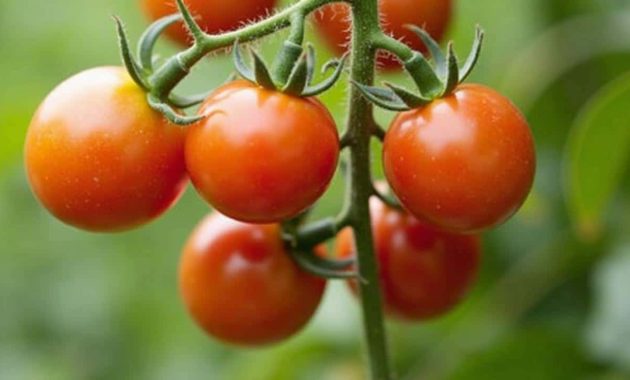
The first warm Saturday of spring can awaken the dormant gardener in even the most seasoned city-dweller. As you step outside, the gentle caress of the sun on your arms whispers an ancient call – the irresistible invitation to dig, plant, and watch new life bloom. But for tomato lovers, this temptation can come at a price if they don’t heed the warnings of garden experts.
Planting those vibrant seedlings too early, before the soil and air temperatures have reached the crucial threshold, can quietly devastate an entire season’s harvest. The consequences may not be immediately apparent, but they can echo through the warm months ahead, leaving gardeners scratching their heads as their tomato plants struggle and wither.
The key, it seems, is learning to resist the siren song of spring’s first sunny days and wait patiently for that perfect planting window. By understanding the science behind tomato cultivation and heeding the advice of those who have walked this path before, home growers can ensure a bountiful tomato harvest without succumbing to the allure of an premature planting.

The Quiet Threat of Planting Too Early
While the urge to get those tomato seedlings into the ground as soon as possible is understandable, garden experts caution that doing so can quietly undermine the entire growing season. The reason lies in the complex relationship between tomato plants and their environmental conditions.
Tomatoes, it turns out, are remarkably sensitive to temperature fluctuations, especially in their early stages of growth. Planting them before the soil and air have reached the optimal range can expose the delicate seedlings to a host of challenges that can stunt their development or even lead to outright failure.
The consequences of an early planting can be insidious, manifesting in ways that may not be immediately obvious to the gardener. Stunted growth, poor fruit set, and increased susceptibility to pests and diseases are all potential pitfalls that can lurk beneath the surface, slowly eroding the harvest over the course of the season.
The Exact Temperature Threshold for Tomato Planting
So what is the magic temperature that gardeners should be watching for before planting their tomatoes? According to experts, the ideal soil temperature for transplanting tomato seedlings is between 60°F and 70°F (15°C to 21°C). Anything below that range can spell trouble for the delicate plants.
The reason for this temperature sweet spot is rooted in the biology of the tomato plant. Tomatoes thrive in warm, consistent conditions, with their roots requiring a certain level of warmth to properly establish and support the plant’s growth. Planting them too early, when the soil is still cool, can shock the seedlings and inhibit their ability to take hold and flourish.
It’s not just the soil temperature that matters, either. The air temperature is also a crucial factor, as tomato plants need consistent warmth throughout the day and night to truly excel. Experts recommend waiting until nighttime lows are consistently above 50°F (10°C) before transplanting tomatoes into the garden.
Hitting the Sweet Spot Without Losing Your Mind
Navigating the perfect planting window for tomatoes can feel like a delicate dance, with gardeners constantly monitoring the thermometer and anxiously waiting for that magical moment when the conditions are just right. But with a bit of planning and patience, it’s possible to hit that sweet spot without descending into a spiral of horticultural madness.
One key strategy is to start your tomato seedlings indoors, giving them a head start on the growing season while ensuring they’re not exposed to the chilly early spring temperatures outside. This allows you to transplant them into the garden at the optimal time, rather than rushing the process and risking their long-term health.
Additionally, pay close attention to weather forecasts and local microclimate conditions. Factors like proximity to large bodies of water, elevation, and even the orientation of your garden can all influence the ideal planting time. By staying informed and adjusting your plans accordingly, you can ensure your tomato plants get the warm, consistent start they need to thrive.

The Quiet Power of Waiting for the Right Day
It’s easy to get caught up in the excitement of spring and the desire to see those tomato plants bursting with life as soon as possible. But garden experts caution that impatience can be the enemy of a bountiful harvest. By learning to wait patiently for the right planting conditions, gardeners can unlock the quiet power of timing their tomato transplants just right.
The rewards of this disciplined approach can be substantial. Tomato plants that are given the optimal start in life are less prone to disease, more resilient to pests, and better equipped to produce a consistent, high-quality yield throughout the growing season. And for the gardener, the satisfaction of watching a thriving, healthy tomato plant is a joy that far outweighs the fleeting temptation of an early planting.
So the next time you feel the siren call of spring beckoning you to the garden, take a moment to consult the experts and check the temperature. By exercising a little patience and restraint, you just might find that the most rewarding path to a bountiful tomato harvest lies in the quiet power of waiting for the right day.

Expert Insights on Optimal Tomato Planting Times
“Tomatoes are incredibly sensitive to cold temperatures, both in the soil and the air. Planting them too early, before that magic 60°F soil temperature threshold, can shock the plants and set them back for the entire season. It’s crucial to be patient and wait for the right conditions.”
– Sarah Joplin, Horticulture Specialist at the University of California Extension
“The key is to time your tomato transplants perfectly. Get them in the ground too soon, and you risk stunted growth, poor fruit set, and increased susceptibility to disease. But wait until the conditions are just right, and you’ll be rewarded with a bountiful, healthy harvest.”
– Michael Russo, Master Gardener and Author of “The Tomato Grower’s Guide”

“Nighttime temperature is just as important as daytime for tomatoes. If you plant them out when the overnight lows are still dipping below 50°F, you’re setting them up for a real struggle. Be patient, and wait until those overnight lows are consistently above 50°F before transplanting.”
– Dr. Amelia Brinkerhoff, Plant Pathologist at the USDA

Tomato plants may be the darlings of the garden, but they require a delicate touch when it comes to planting. Heed the warnings of the experts, and resist the temptation to rush the process. By waiting patiently for the perfect temperature conditions, you’ll be rewarded with a bountiful, healthy harvest that will make the wait worthwhile.
Frequently Asked Questions
What is the ideal soil temperature for planting tomatoes?
The ideal soil temperature range for planting tomato seedlings is between 60°F and 70°F (15°C to 21°C).
How important is nighttime temperature for tomatoes?
Nighttime temperature is just as crucial as daytime for tomato plants. Experts recommend waiting until overnight lows are consistently above 50°F (10°C) before transplanting.

Can I start my tomato seeds indoors to get a head start?
Yes, starting tomato seeds indoors and then transplanting them into the garden at the optimal time is a great way to get a head start on the growing season while ensuring the plants have the right conditions for success.
How can I monitor the temperature in my garden?
Use a soil thermometer to regularly check the soil temperature, and keep an eye on weather forecasts to stay on top of overnight lows in your local area.
What happens if I plant my tomatoes too early?
Planting tomatoes before the soil and air temperatures have reached the optimal range can lead to stunted growth, poor fruit set, and increased susceptibility to pests and diseases.
How long should I wait to plant my tomatoes?
Wait until both the soil temperature is between 60°F and 70°F (15°C to 21°C) and the overnight lows are consistently above 50°F (10°C) before transplanting your tomato seedlings.
Can I still have a successful tomato harvest if I plant too early?
While it’s possible to recover from an early planting, the best approach is to be patient and wait for the optimal conditions. Planting at the right time will give your tomatoes the best chance of thriving and producing a bountiful harvest.
How can I tell if my tomato plants are struggling due to early planting?
Signs of struggle may include stunted growth, poor fruit set, yellowing leaves, and increased susceptibility to pests and diseases. If you notice these issues, it’s likely due to planting too early before the soil and air temperatures were optimal.