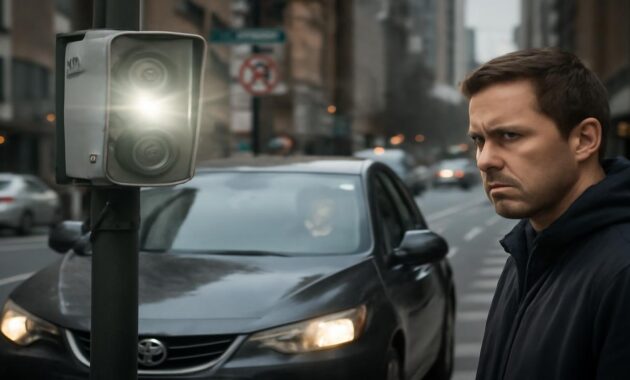
The flash is almost polite, a brief white blink in the drizzle that most people don’t even see. You’re rolling through a familiar intersection, wipers swishing, lost in thought – and suddenly, the gut-punch of a traffic violation notice arrives in the mail. It’s not the first time, and it won’t be the last, as AI-powered cameras continue to catch unsuspecting drivers in their tracks.
This new era of automated enforcement has divided opinions across the country. For some, it’s a long-overdue step towards safer roads and reduced human error. For others, it’s the beginning of a dystopian surveillance state, where our every move is monitored and monetized. The debate rages on, pitting public safety against personal privacy, and leaving drivers wondering if they can ever truly trust the machines watching over them.
A Quiet Revolution at the Side of the Road
The rise of AI-powered traffic cameras has been a gradual but inexorable process, unfolding with little fanfare across city streets and highways. These silent sentinels, equipped with sophisticated sensors and algorithms, have become the arbiters of our driving behavior, silently judging our every turn, stop, and speed.
For proponents, this technology represents a revolution in road safety, a way to curb dangerous driving and save lives without the need for constant human intervention. By removing the element of human error, they argue, these cameras can deliver a level of consistency and fairness that was previously unattainable.
But for critics, the implications of this shift are deeply unsettling. They see the cameras as the thin edge of a wedge, a creeping encroachment of government and corporate control over our daily lives. The fear is that this is just the beginning, a stepping stone towards a future where our every movement is tracked, analyzed, and monetized.
“Just Don’t Break the Law” – Or Is It That Simple?
The argument from supporters of AI-powered traffic enforcement is simple: if you obey the rules of the road, you have nothing to worry about. “Just don’t break the law,” they say, “and you’ll be fine.” But the reality is often more complex, with a host of mitigating factors that can trip up even the most cautious drivers.

Weather conditions, malfunctioning equipment, and even outdated signage can all contribute to inadvertent violations. And for some, the financial burden of these fines can be crippling, leading to a spiral of debt and further legal issues. The one-size-fits-all approach of automated enforcement, critics argue, fails to account for the nuances of human behavior and the unpredictable nature of the road.
Moreover, there are concerns that these systems disproportionately target certain communities, exacerbating existing inequalities and eroding trust in the justice system. As the reach of these cameras expands, the stakes only grow higher, and the need for a more nuanced, compassionate approach becomes increasingly clear.
The Human Side of a Machine Decision
At the heart of this debate lies a fundamental tension between the cold, impartial logic of machines and the messy, unpredictable nature of human behavior. When a traffic camera issues a citation, it does so without the context, empathy, or discretion that a human officer might exercise.

For some drivers, this can feel like a betrayal of the social contract, a sense that the system has abandoned its responsibility to understand and accommodate the complexities of everyday life. They argue that by removing the human element, these automated systems strip away the nuance and flexibility that are essential to a fair and equitable justice system.
But proponents of the technology counter that this objectivity is precisely the point – that by removing the potential for bias, discrimination, and inconsistency, these cameras can deliver a level of impartiality that was previously unattainable. It’s a clash of worldviews, pitting the promise of technological progress against the enduring importance of human understanding and compassion.
Could We Have Safety Without the Shadow?
As the debate over AI-powered traffic enforcement rages on, the underlying question remains: is it possible to achieve the desired safety outcomes without the specter of constant surveillance and control?
Some experts argue that a middle ground is possible, where the benefits of automated enforcement are harnessed without the attendant risks of a surveillance state. They envision a system that is more transparent, accountable, and responsive to the needs of the community – one that balances the impartiality of machines with the empathy and discretion of human oversight.
This could take the form of clear guidelines and appeal processes, ensuring that drivers have a fair and accessible way to challenge erroneous citations. It could also involve investment in public education and awareness campaigns, helping to build trust and understanding around the purpose and limitations of these technologies.
Driving Home Through the Future
As the debate over AI-powered traffic enforcement rages on, the reality is that these technologies are here to stay. The question is not whether they will become more prevalent, but how they will be implemented and regulated – and whether they will ultimately serve the interests of the public or the interests of those in power.

For drivers, the stakes are high. The prospect of being constantly monitored and penalized for minor infractions can feel like a violation of personal freedom, a loss of control over our own movement and autonomy. And as the web of surveillance expands, the fear is that this is just the beginning – a slippery slope towards a future where our every action is scrutinized and commodified.
But for proponents of the technology, the potential benefits are clear: safer roads, reduced human error, and a more equitable system of enforcement. The challenge is to find a way to harness these benefits without sacrificing the fundamental rights and freedoms that define a free and open society.
FAQ
What are AI-powered traffic cameras?
AI-powered traffic cameras are advanced surveillance systems that use artificial intelligence and machine learning algorithms to monitor and enforce traffic laws. They can detect a range of violations, such as speeding, running red lights, and illegal turns, and automatically issue citations to offenders.

What are the main arguments for and against these cameras?
Proponents argue that the cameras improve road safety by reducing human error and inconsistency in enforcement. Critics argue that the cameras represent an overreach of government and corporate control, violating personal privacy and disproportionately impacting certain communities.
How do these cameras work?
The cameras are equipped with sophisticated sensors and algorithms that can detect and analyze vehicle movements in real-time. When a violation is detected, the system automatically captures photographic or video evidence and issues a citation, which is then mailed to the registered owner of the vehicle.
Can drivers challenge the citations issued by these cameras?
In most cases, yes, drivers can challenge the citations issued by AI-powered traffic cameras. However, the process can vary significantly depending on the jurisdiction and the specific policies in place. Some systems offer clear appeal processes, while others can be more opaque and difficult to navigate.

How widespread are these cameras in the United States?
AI-powered traffic cameras are becoming increasingly common across the United States, with cities and states adopting the technology to address road safety concerns. However, the adoption rate and specific implementation approaches vary widely, and the use of these cameras remains a subject of ongoing debate and regulation.
What are the potential privacy concerns with these cameras?
Critics argue that the widespread use of AI-powered traffic cameras represents a significant threat to personal privacy, as the systems can collect and store vast amounts of data on the movements and behavior of individual drivers. There are concerns that this data could be misused or accessed by unauthorized parties, leading to a erosion of civil liberties.
How do these cameras impact different communities?
There are concerns that AI-powered traffic cameras may disproportionately target and impact certain communities, particularly those with lower incomes or from minority backgrounds. The financial burden of traffic fines can be especially challenging for these communities, potentially exacerbating existing inequalities and eroding trust in the justice system.

What are the alternatives to AI-powered traffic enforcement?
Some experts argue that a more balanced approach, combining automated enforcement with human oversight and discretion, could help to address the concerns around these cameras. This could involve clear appeal processes, investment in public education, and a focus on addressing the root causes of unsafe driving behaviors rather than simply issuing fines.