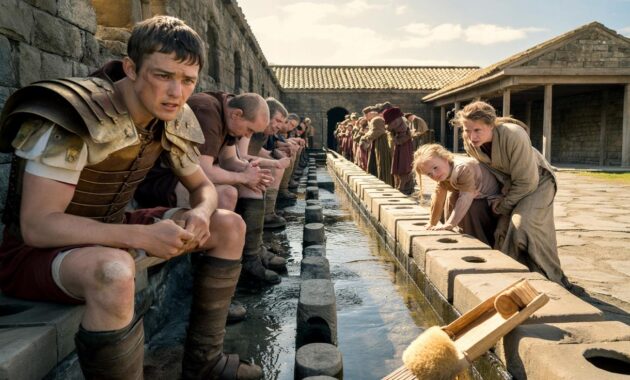
Tucked away in the northern reaches of the Roman Empire, the garrison town of Vindolanda stood as a testament to the might and resilience of the Roman legions. But beneath the bustling streets and fortified walls, a hidden health crisis was unfolding – one that would shed light on the grim realities of life on the frontier.
New microscopic work on a Roman latrine drain at Vindolanda, just south of Hadrian’s Wall, has revealed a startling truth about the soldiers who once patrolled this remote outpost. The findings suggest that these hardened warriors were plagued by a host of debilitating gut parasites, a testament to the challenges they faced in maintaining their health and well-being in the harsh environment of the Roman frontier.
This discovery not only sheds light on the daily struggles of the Roman soldiers but also holds crucial implications for our understanding of the past and its impact on the present. By uncovering the hidden health crisis that lurked within the garrison town, researchers are unveiling a new chapter in the story of life on the Roman frontier.

Unveiling the Unseen: Parasites in the Latrines
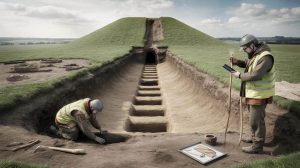
The latrine drain at Vindolanda, a site that has long been a treasure trove of archaeological wonders, has once again yielded remarkable insights. Through the use of advanced microscopic techniques, researchers have been able to analyze the contents of the drain, revealing a startling array of parasitic eggs and larvae that were once harbored within the bodies of the Roman soldiers.
These parasites, including species such as roundworm, whipworm, and tapeworm, were a common scourge among the inhabitants of Vindolanda, painting a grim picture of the health challenges they faced. The presence of these parasites in the latrine drain suggests that the soldiers were regularly afflicted by gastrointestinal issues, ranging from discomfort to potentially life-threatening complications.
The discovery of these ancient parasites holds profound implications for our understanding of the past and its connection to the present. By shedding light on the health challenges faced by the Roman soldiers, researchers are not only illuminating a forgotten chapter of history but also providing valuable insights that could inform modern medical practices and public health initiatives.

A Garrison Town Turned Laboratory
Vindolanda, with its well-preserved archaeological record, has long been a hub of scientific inquiry, attracting researchers from around the world. But the recent findings regarding the presence of parasites in the latrine drain have elevated the site to a veritable laboratory for the study of ancient diseases and their impact on human populations.
By examining the microscopic evidence found within the latrine, researchers have been able to piece together a detailed picture of the health and sanitation conditions that prevailed within the garrison town. This information not only sheds light on the daily lives of the Roman soldiers but also serves as a valuable resource for understanding the broader social and environmental factors that shaped the health landscape of the Roman Empire.
As researchers continue to delve into the rich trove of data found within the Vindolanda latrine, they are poised to uncover even more insights that could reshape our understanding of the past and its enduring relevance to the present.

The Toll of Frontier Life
The discovery of widespread parasitic infections among the Roman soldiers at Vindolanda paints a sobering picture of the harsh realities of life on the frontier. These hardy warriors, tasked with defending the northern reaches of the empire, faced a constant battle against the elements, the enemy, and the unseen threats that lurked within their own bodies.
The prevalence of parasitic infections, which could have led to a range of debilitating symptoms, from chronic digestive issues to malnutrition, underscores the immense physical and mental toll that frontier life exacted on the Roman legions. These soldiers, who were expected to maintain vigilance and discipline in the face of such adversity, were no doubt haunted by the persistent health challenges that threatened to undermine their very existence.
By understanding the scale and severity of the parasitic infections that plagued the garrison at Vindolanda, researchers are shedding light on the true cost of maintaining the Roman Empire’s northern frontier. This knowledge not only deepens our appreciation for the resilience and determination of the Roman soldiers but also serves as a reminder of the often-overlooked challenges that shaped the course of history.

Lessons from the Past, Insights for the Future
The findings from the Vindolanda latrine drain have far-reaching implications that extend beyond the confines of the Roman Empire. By uncovering the hidden health crisis that afflicted the garrison town, researchers are highlighting the crucial role that parasitic infections have played in shaping human history and the ongoing challenges we face in combating these persistent threats.
In an era where global health crises and the resurgence of infectious diseases are at the forefront of public discourse, the insights gleaned from the Vindolanda study hold particular relevance. By understanding how ancient populations grappled with the burden of parasitic infections, we can gain valuable lessons that could inform modern public health initiatives and medical practices.
Moreover, the Vindolanda findings serve as a stark reminder that the health challenges of the past are not entirely consigned to history. Many of the parasitic species identified in the latrine drain continue to pose a threat to human populations around the world, underscoring the importance of ongoing research and vigilance in the face of these persistent foes.
A Window into the Past, a Glimpse of the Future
The discovery of widespread parasitic infections among the Roman soldiers at Vindolanda represents a pivotal moment in the study of ancient health and disease. By delving into the microscopic evidence found within the latrine drain, researchers have opened a window into the daily lives and struggles of the garrison town’s inhabitants, shedding light on a hidden health crisis that has long been obscured by the passage of time.
As the scientific community continues to explore the rich trove of data unearthed at Vindolanda, the potential for groundbreaking discoveries and insights into the past, present, and future of human health and well-being is truly immense. This research not only promises to deepen our understanding of the Roman Empire and its frontier territories but also holds the promise of informing modern medical practices and public health initiatives, ultimately benefiting generations to come.
The story of the Roman soldiers and their battle against the unseen threats that lurked within their garrison town is a testament to the resilience and adaptability of the human spirit. By uncovering these hidden narratives, researchers are not only preserving the legacy of the past but also paving the way for a future where the lessons of history can be leveraged to create a healthier, more sustainable world.

| Parasite Species | Prevalence in Vindolanda | Potential Health Impacts |
|---|---|---|
| Roundworm (Ascaris lumbricoides) | Widespread | Malnutrition, intestinal blockage, respiratory issues |
| Whipworm (Trichuris trichiura) | Prevalent | Chronic diarrhea, anemia, rectal prolapse |
| Tapeworm (Taenia spp.) | Commonly found | Abdominal pain, weight loss, intestinal blockage |
The discovery of these parasitic species within the Vindolanda latrine drain highlights the significant health challenges faced by the Roman soldiers stationed in this remote garrison town. The prevalence of these infections likely contributed to a range of debilitating symptoms, from chronic digestive issues to malnutrition and respiratory problems, underscoring the physical and mental toll that frontier life exacted on the legions.
“The findings from Vindolanda provide a unique window into the health challenges that confronted the Roman soldiers stationed on the northern frontier. These parasitic infections would have had a profound impact on the daily lives and operational readiness of the garrison, underscoring the resilience and adaptability required to maintain the Empire’s northern defenses.”
– Dr. ErikaNitsch, Bioarchaeologist and Specialist in Ancient Disease

As researchers continue to delve into the microscopic evidence found within the Vindolanda latrine, they are poised to uncover even more insights that could reshape our understanding of the past and its enduring relevance to the present. By shedding light on the hidden health crisis that plagued the Roman frontier, this research holds the potential to inform modern public health initiatives and medical practices, ultimately benefiting generations to come.
“The discovery of these widespread parasitic infections at Vindolanda is a sobering reminder of the health challenges that shaped the lives of the Roman soldiers. By understanding the scale and severity of these infections, we can gain valuable insights into the daily struggles and resilience of the frontier legions, as well as the broader social and environmental factors that influenced the health landscape of the Roman Empire.”
– Dr. Jane Harrington, Historian and Expert on Roman Frontier Life

As we continue to grapple with the health challenges of our own time, the lessons gleaned from the Vindolanda study serve as a powerful reminder of the enduring nature of these persistent foes. By leveraging the insights of the past, we can better prepare for the future, ensuring that the health and well-being of our societies remain at the forefront of our collective efforts.
The Enduring Legacy of Vindolanda
The story of the Roman soldiers and their battle against the unseen threats that lurked within the garrison town of Vindolanda is a testament to the resilience and adaptability of the human spirit. As researchers continue to uncover the hidden narratives that have long been obscured by the passage of time, this ancient outpost is emerging as a pivotal site in the study of ancient health and disease.
Through the meticulous analysis of the microscopic evidence found within the latrine drain, researchers have shed light on a hidden health crisis that plagued the Roman frontier, revealing the immense physical and mental toll that frontier life exacted on the legions. This knowledge not only deepens our appreciation for the sacrifices and hardships faced by the soldiers but also holds the potential to inform modern public health initiatives and medical practices.
As the scientific community continues to explore the rich trove of data unearthed at Vindolanda, the site’s enduring legacy is certain to grow, serving as a testament to the power of the past to shape the present and the future. By leveraging the insights gleaned from this remarkable archaeological treasure trove, we can work to build a healthier, more resilient world, one that honors the sacrifices and struggles of those who came before us.
| Key Insights from the Vindolanda Latrine Study | Potential Implications |
|---|---|
| Widespread parasitic infections among Roman soldiers | Highlights the health challenges faced by frontier garrisons and the impact on military readiness |
| Prevalence of roundworm, whipworm, and tapeworm species | Informs understanding of ancient disease profiles and the role of parasites in shaping human history |
| Insights into sanitation and hygiene practices in Roman garrison towns | Provides valuable data for studying the relationship between environment, disease, and public health in the past |
| Potential for modern medical applications and public health initiatives | Leveraging lessons from the past to address persistent health challenges in the present and future |
The discovery of widespread parasitic infections among the Roman soldiers at Vindolanda represents a pivotal moment in the study of ancient health and disease, opening a window into the daily lives and struggles of the garrison town’s inhabitants. As researchers continue to explore the rich trove of data unearthed at this remarkable site, the potential for groundbreaking discoveries and insights into the past, present, and future of human health and well-being is truly immense.
What were the primary parasites found in the Vindolanda latrine drain?
The primary parasites found in the Vindolanda latrine drain were roundworm (Ascaris lumbricoides), whipworm (Trichuris trichiura), and tapeworm (Taenia spp.). These parasitic infections were widespread among the Roman soldiers stationed at the garrison town.
How did these parasitic infections impact the health and well-being of the Roman soldiers?
The parasitic infections found in the Vindolanda latrine drain would have had a significant impact on the health and well-being of the Roman soldiers. Conditions like malnutrition, intestinal blockages, chronic diarrhea, and respiratory issues would have been common, underscoring the immense physical and mental toll that frontier life exacted on the legions.
What insights do the Vindolanda findings provide for understanding ancient disease profiles and public health?
The discovery of these parasitic infections at Vindolanda offers valuable insights into the health challenges that shaped ancient societies. By shedding light on the prevalence and impact of these diseases, the findings inform our understanding of the relationship between environment, hygiene, and the spread of infectious diseases in the past. This knowledge can inform modern public health initiatives and medical practices.
How can the lessons from Vindolanda be applied to address persistent health challenges today?
The insights gleaned from the Vindolanda latrine study hold significant potential for informing modern approaches to public health and disease prevention. By understanding how ancient populations grappled with the burden of parasitic infections, researchers can identify strategies and interventions that could be leveraged to address similar health challenges in the present and future.
What makes the Vindolanda site so valuable for the study of ancient health and disease?
Vindolanda’s well-preserved archaeological record and the wealth of microscopic evidence found within the latrine drain have elevated the site to a veritable laboratory for the study of ancient diseases and their impact on human populations. The richness of the data unearthed at Vindolanda provides a unique window into the daily lives and health challenges faced by the Roman soldiers, offering invaluable insights that can inform our understanding of the past and shape our approach to the future.
How do the findings from Vindolanda contribute to our understanding of the Roman Empire’s northern frontier?
The discovery of widespread parasitic infections among the Roman soldiers at Vindolanda sheds light on the immense physical and mental toll that frontier life exacted on the legions. By understanding the scale and severity of these health challenges, researchers can gain valuable insights into the resilience and adaptability required to maintain the Empire’s northern defenses, as well as the broader social and environmental factors that influenced the health landscape of the Roman frontier.
What are the potential long-term implications of the Vindolanda latrine study?
The Vindolanda latrine study holds the potential to inform a wide range of disciplines, from historical epidemiology and bioarchaeology to modern public health and medical practices. By leveraging the insights gleaned from this remarkable archaeological treasure trove, researchers can work to build a healthier, more resilient world, one that honors the sacrifices and struggles of those who came before us and prepares us to meet the health challenges of the future.