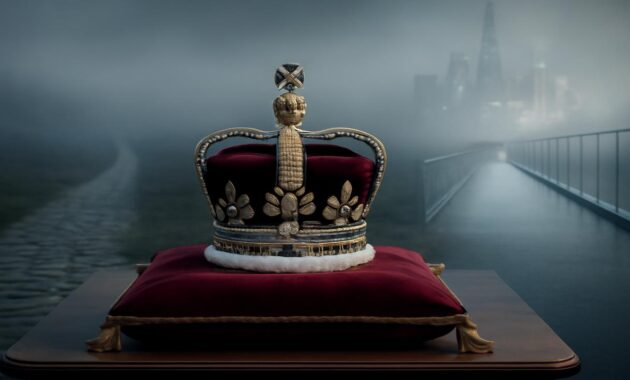
The rain comes sideways in London when it really means it, needling across The Mall, turning the Union Flags into wet, heavy banners. On days like this, the grandeur of the monarchy feels distant, as if the palace itself is shrouded in the mist. But these are not ordinary days for the House of Windsor.
As health battles shake the senior royals, the British monarchy confronts a defining question: continuity at all costs or a necessary evolution? The frailty of Queen Elizabeth II, Prince Charles’ bout with COVID-19, and the persistent questions around Prince Andrew’s future have thrust the royal institution into a period of uncertainty.
The public gaze, ever hungry for the latest royal drama, now scrutinizes not just the individuals, but the very foundations of the monarchy itself. In this restless age, the monarchy’s ability to adapt and stay relevant may determine its long-term survival.

The Season of Frailty
Queen Elizabeth II, the stalwart matriarch who has reigned for seven decades, is now 96 years old. The weight of her advancing years has become increasingly evident, with the monarch scaling back public appearances and relying more on her heir, Prince Charles, to represent the Crown.
The Queen’s ongoing mobility issues, exacerbated by a bout with COVID-19 earlier this year, have sparked concerns about her ability to fulfill her duties. The public has grown accustomed to the Queen’s steadfast presence, but this season of frailty has forced a reckoning.
As the nation’s longest-reigning sovereign, the Queen’s health is not just a personal matter but a national one. Her absence from high-profile events, such as the State Opening of Parliament, has fueled speculation about the monarchy’s future and the delicate question of succession.

Continuity as Comfort and Cage
For many Britons, the Queen’s unwavering presence has provided a sense of stability and comfort in a rapidly changing world. The monarchy, with its centuries-old traditions and rituals, has long been seen as a bulwark against the chaos of modern life.
However, this reliance on continuity can also become a cage, limiting the monarchy’s ability to adapt and respond to the evolving needs and expectations of a diverse, twenty-first-century society. The reluctance to embrace change, rooted in a reverence for the past, may ultimately undermine the institution’s relevance.
As the Queen’s reign nears its conclusion, the question of how the monarchy should transition into the future has become increasingly pressing. The reluctance to relinquish tradition in favor of progress is a tension that the royal family must navigate with care.

The Case for Evolution
The COVID-19 pandemic has accelerated the pace of change, forcing institutions of all kinds to reevaluate their relevance and purpose. The monarchy, too, must confront the reality that the 21st century demands a different kind of royal family – one that is more accessible, transparent, and responsive to the needs of a rapidly evolving society.
Proponents of royal evolution argue that the monarchy must adapt to remain a vital and respected institution. This could involve embracing new modes of communication, such as increased digital engagement, and addressing issues of diversity and inclusivity within the royal household.
Moreover, the monarchy’s role in addressing pressing societal challenges, from climate change to mental health, may become increasingly important in the years ahead. By positioning the royals as champions of these causes, the institution can forge a more meaningful connection with the public and cement its continued relevance.

Rethinking the Royal Ecosystem
The health challenges facing the senior royals have also prompted a broader examination of the royal family’s ecosystem – the web of courtiers, advisers, and institutions that support the monarchy. As the Queen’s reign winds down, there are calls for a reevaluation of this supporting structure.
Critics argue that the royal household’s insular culture and resistance to change have, at times, hindered the monarchy’s ability to adapt. The exposure of missteps, such as the royal family’s initial response to the death of Princess Diana, has highlighted the need for greater transparency and accountability.
Modernizing the royal ecosystem, with a focus on better communication, more diverse perspectives, and a willingness to confront difficult issues, could be crucial in shaping the monarchy’s future. The ability to learn from past mistakes and embrace a more agile, responsive approach may determine the institution’s long-term viability.

Illness, Empathy, and the Public Gaze
The recent health battles of the senior royals have also shed light on the public’s complex relationship with the monarchy. While the Queen’s advanced age and Prince Charles’ bout with COVID-19 have elicited sympathy, the persistent questions around Prince Andrew’s involvement in the Jeffrey Epstein scandal have eroded public trust.
The public’s empathy for the royals’ health struggles is tempered by a desire for accountability and transparency. The monarchy’s traditional stance of discretion and secrecy has, at times, fueled suspicion and undermined its moral authority.
As the royals confront their own mortality, the public gaze has become more intimate and demanding. The monarchy must navigate this delicate balance, offering a sense of reassurance and continuity while also adapting to the public’s evolving expectations of openness and accountability.

A Defining Question in a Restless Age
The British monarchy stands at a crossroads, facing a defining question that will shape its future for generations to come. The health battles of the senior royals have exposed the fragility of the institution, forcing it to confront the choice between steadfast continuity and necessary evolution.
In a world that is rapidly changing, the monarchy’s ability to adapt and stay relevant may determine its long-term survival. The public’s desire for a more accessible, transparent, and responsive royal family is palpable, and the institution must find a way to balance tradition with the demands of the 21st century.
As the Queen’s reign draws to a close and the mantle of leadership passes to the next generation, the monarchy’s future hangs in the balance. The decisions made in the coming years will not only impact the House of Windsor but the very fabric of British society, which has long found comfort and identity in the enduring presence of the Crown.

Frequently Asked Questions
What is the current state of the Queen’s health?
The Queen, at 96 years old, has been dealing with mobility issues and recently had a bout with COVID-19. She has been scaling back her public appearances, and Prince Charles has been taking on more official duties on her behalf.
How has the royal family’s health challenges impacted the public’s perception of the monarchy?
The public has shown empathy for the health struggles of the senior royals, but this has also prompted calls for greater transparency and accountability from the monarchy. The contrasting responses to the Queen’s frailty and Prince Andrew’s scandal have highlighted the public’s complex and evolving relationship with the institution.
What are the main arguments for the monarchy to evolve?
Proponents of royal evolution argue that the monarchy must adapt to remain relevant and respected in the 21st century. This could involve embracing new modes of communication, addressing issues of diversity and inclusivity, and positioning the royals as champions of pressing societal challenges, such as climate change and mental health.

How can the royal household’s supporting ecosystem be improved?
Critics argue that the royal household’s insular culture and resistance to change have, at times, hindered the monarchy’s ability to adapt. Modernizing the royal ecosystem, with a focus on better communication, more diverse perspectives, and a willingness to confront difficult issues, could be crucial in shaping the monarchy’s future.
What is the significance of the Queen’s advancing age and the transition of power to the next generation?
As the Queen’s reign nears its conclusion, the question of how the monarchy should transition into the future has become increasingly pressing. The decisions made in the coming years will not only impact the House of Windsor but the very fabric of British society, which has long found comfort and identity in the enduring presence of the Crown.
How can the monarchy balance tradition and progress?
The monarchy must find a way to balance its reverence for tradition with the demands of a rapidly evolving 21st-century society. This will involve navigating the delicate tension between continuity as a source of comfort and continuity as a cage that limits the institution’s ability to adapt and remain relevant.
What are the potential consequences if the monarchy fails to evolve?
If the monarchy fails to evolve and embrace necessary changes, it runs the risk of becoming increasingly irrelevant and potentially losing its place as a vital institution in British society. The public’s desire for a more accessible, transparent, and responsive royal family must be addressed to ensure the long-term survival of the monarchy.
How will the transition of power to the next generation impact the future of the monarchy?
The transition of power from Queen Elizabeth II to the next generation, led by Prince Charles, will be a critical juncture for the monarchy. The choices made during this period will shape the institution’s ability to adapt and remain relevant in the decades to come, as the public’s expectations and the demands of the 21st century continue to evolve.