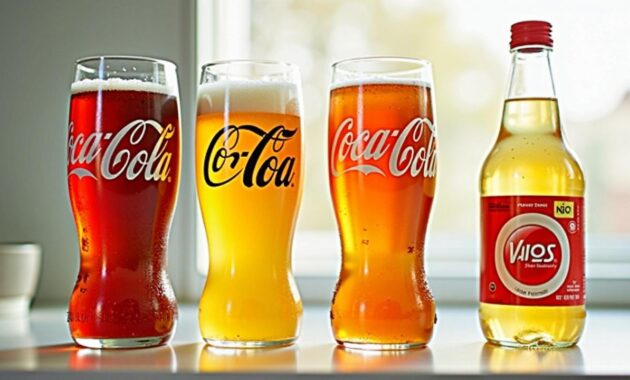
The health-conscious consumer’s dream of indulging in refreshing, guilt-free beverages may soon be disrupted. A growing body of research suggests that so-called “zero-calorie” sodas, often touting “natural” sweeteners, may not be as benign as they appear. As public health experts and policymakers take a closer look, the future of these once-darling drinks could be facing a dramatic shift.
The once-simple choice between sugary sodas and their “diet” counterparts has become increasingly complex. Consumers seeking healthier options have embraced a new generation of beverages that promise to satisfy their cravings without the caloric burden. But beneath the sleek, natural-leaning branding, experts are uncovering concerning evidence that these zero-calorie drinks may not be as harmless as they seem.
As the debate around the regulation of these beverages heats up, the stakes are high for both health-conscious consumers and the multi-billion-dollar beverage industry. The outcome could reshape the way we approach our daily refreshment choices, with far-reaching implications for our well-being and the competitive landscape of the drinks market.

The Rise of “Natural” Zero-Calorie Sodas
In recent years, health-conscious consumers have gravitated towards a new class of sodas and soft drinks that proudly declare their lack of sugar and calories. These beverages, often touting natural sweeteners like stevia or monk fruit, have positioned themselves as the virtuous alternative to traditional sugary sodas.
The allure of these zero-calorie options is undeniable. Shoppers, eager to satisfy their cravings for fizz and flavor without the guilt, have embraced these sleek, modern-looking cans and bottles. Beverage giants, sensing a shift in consumer preferences, have scrambled to expand their portfolios with these “better-for-you” offerings.
However, as these zero-calorie sodas have gained mainstream popularity, a growing body of research is challenging the assumption that they are truly harmless. Experts are now raising concerns about the potential health implications of these beverages, as well as their regulatory status.

The Regulatory Gray Area
One of the key issues surrounding zero-calorie sodas is their regulatory classification. Unlike traditional sugary soft drinks, which are subject to sin taxes and stricter labeling requirements in many countries, these zero-calorie alternatives exist in a more ambiguous legal space.
In the United States, for example, beverages sweetened with non-nutritive sweeteners like aspartame or sucralose are not subject to the same sugar taxes that apply to their sugary counterparts. This has led some health advocates to argue that these zero-calorie drinks should face similar scrutiny and taxation to encourage healthier choices.
The situation is further complicated by the use of “natural” sweeteners like stevia and monk fruit. While these plant-derived ingredients may sound more appealing than artificial sweeteners, their long-term health effects are still not fully understood. This regulatory gray area has allowed these “natural” zero-calorie sodas to proliferate without the same level of oversight as their traditional sugary rivals.

Potential Health Concerns
As the popularity of zero-calorie sodas has grown, so too have the questions about their potential health impacts. While these drinks may be free of added sugars, emerging research suggests that they may not be as harmless as they seem.
Studies have linked the consumption of non-nutritive sweeteners, such as those found in many zero-calorie sodas, to a range of potential health issues, including disruptions to the gut microbiome, increased risk of metabolic disorders, and even potential links to cancer. The long-term effects of these alternative sweeteners are still being investigated, leaving consumers and policymakers alike grappling with uncertainty.
Additionally, some experts argue that the presence of these zero-calorie sodas may actually undermine efforts to promote healthier drinking habits. By providing a sweet, carbonated alternative to sugary drinks, these beverages could inadvertently perpetuate cravings for sugary and artificially sweetened beverages, rather than encouraging a shift towards water, unsweetened teas, or other truly low-calorie options.

Global Regulatory Approaches
As the debate around the regulation of zero-calorie sodas intensifies, different countries and regions are taking varying approaches. Some have chosen to extend existing sugar taxes to cover these alternative beverages, while others have yet to address the issue.
In the United Kingdom, for example, the Soft Drinks Industry Levy, commonly known as the “sugar tax,” applies to both sugary and zero-calorie sodas, effectively treating them as equals. This move has been praised by health advocates as a way to discourage the consumption of all sweetened beverages, regardless of their caloric content.
In contrast, the United States has been more hesitant to extend its existing sugar taxes to zero-calorie sodas. While some states and municipalities have implemented their own soda taxes, the federal government has yet to take decisive action on regulating these alternative beverages. This regulatory patchwork has left consumers and the industry in a state of uncertainty.

The Uncertain Future of Zero-Calorie Sodas
As the debate around the regulation of zero-calorie sodas intensifies, the future of these once-darling drinks remains uncertain. Health experts and policymakers are grappling with the complex issues surrounding their potential health impacts and regulatory status, while consumers are left to navigate an increasingly confusing landscape of beverage choices.
The outcome of this debate could have far-reaching consequences. If zero-calorie sodas face stricter regulations, such as being subject to sugar taxes or more stringent labeling requirements, it could significantly impact the beverage industry’s strategy and profitability. Conversely, a lack of regulatory action could perpetuate the current status quo, leaving consumers unsure of the true health implications of their choices.
Ultimately, the fate of zero-calorie sodas will depend on the ability of policymakers, public health experts, and the beverage industry to find a balanced approach that prioritizes consumer well-being while also fostering innovation and choice in the market. As the conversation continues, one thing is clear: the era of “guilt-free” indulgence may be coming to an end.

Experts Weigh In
“These zero-calorie sodas may seem like a healthier option, but the science is telling us that the long-term effects of their sweeteners are still not well understood. We need to take a closer look at how they should be regulated to protect public health.”
Dr. Sarah Wozniak, public health researcher
“The beverage industry has been quick to capitalize on the consumer demand for healthier options, but in doing so, they’ve created a regulatory gray area that needs to be addressed. We can’t continue to treat these zero-calorie sodas as if they are completely harmless.”
Alex Bridges, nutrition policy analyst

“While the use of natural sweeteners may sound appealing, the reality is that we still don’t have a full understanding of how these ingredients impact our bodies, particularly with long-term consumption. Policymakers need to take a cautious approach and consider the potential public health implications.”
Dr. Emily Walters, food science researcher

As the debate around the regulation of zero-calorie sodas continues, one thing is clear: the era of “guilt-free” indulgence may be coming to an end. Consumers and policymakers alike must grapple with the complex issues surrounding these beverages, ultimately striving for a balanced approach that prioritizes public health and well-being.
The Everyday Impact of Changing Regulations
If zero-calorie sodas face stricter regulations, such as being subject to sugar taxes or more stringent labeling requirements, the impact could be felt in the everyday lives of consumers. Here are a few scenarios that illustrate how changing rules might affect our beverage choices:
| Scenario | Current Situation | Potential Impact of Changing Regulations |
|---|---|---|
| Grabbing a quick soda at the convenience store | The zero-calorie soda options are displayed prominently, often at a similar price point to traditional sugary sodas. | The zero-calorie soda may now cost more due to a tax, making the consumer think twice about their purchase. Alternatively, the labeling may be more prominent, drawing attention to the potential health concerns. |
| Packing a lunch for the office | The consumer has a wide range of zero-calorie and low-calorie beverage options to choose from, including flavored sparkling waters and iced teas. | The consumer may be more inclined to opt for water or unsweetened drinks, as the zero-calorie sodas may face increased scrutiny or pricing changes. |
| Planning a family gathering | The consumer can easily find zero-calorie soda options to offer guests, appealing to those seeking a guilt-free indulgence. | The consumer may feel more compelled to offer a wider variety of non-sweetened options, such as flavored seltzers or fruit-infused waters, to avoid potential health concerns associated with zero-calorie sodas. |
The Changing Landscape of Beverage Choices
As the regulatory landscape around zero-calorie sodas evolves, consumers may find themselves navigating a more complex and potentially more restrictive beverage landscape. Here are a few key changes that could shape the future of our drink selections:
| Change | Potential Impact |
|---|---|
| Expansion of sugar taxes to cover zero-calorie sodas | Prices of these beverages may increase, potentially leading consumers to seek out unsweetened alternatives or water. This could drive innovation in the non-carbonated, low-calorie drink market. |
| Stricter labeling requirements for zero-calorie sodas | Consumers may have more transparency about the ingredients and potential health implications of these beverages, allowing them to make more informed choices. This could lead to a shift in consumer preferences. |
| Increased scrutiny and regulation of “natural” sweeteners | The use of ingredients like stevia and monk fruit may face greater oversight, potentially leading to reformulations or the development of new sweetener alternatives that are perceived as more health-conscious. |
FAQ
Are zero-calorie sodas really healthier than their sugary counterparts?
While zero-calorie sodas may be lower in calories, emerging research suggests they may not be as harmless as once believed. The long-term health effects of the sweeteners used in these beverages are still not fully understood.
Why are some countries taxing zero-calorie sodas?
Some countries, like the UK, have extended their existing sugar taxes to cover zero-calorie sodas as well. The goal is to discourage the consumption of all sweetened beverages, regardless of their caloric content, to promote healthier drinking habits.
How might changing regulations impact the beverage industry?
If zero-calorie sodas face stricter regulations, such as sugar taxes or more prominent labeling, it could significantly impact the beverage industry’s strategy and profitability. This could lead to changes in product formulations, marketing, and the development of new, potentially healthier alternatives.
What are the potential health concerns with the sweeteners used in zero-calorie sodas?
Studies have linked the consumption of non-nutritive sweeteners, such as those found in many zero-calorie sodas, to potential disruptions to the gut microbiome, increased risk of metabolic disorders, and even potential links to cancer. However, more research is needed to fully understand the long-term effects.
How can consumers make healthier beverage choices?
As the regulatory landscape around zero-calorie sodas evolves, consumers may need to be more discerning in their beverage choices. Opting for water, unsweetened teas, or other truly low-calorie options may be a safer bet than relying on zero-calorie sodas, which may not be as harmless as they appear.
Will zero-calorie sodas disappear from the market?
It’s unlikely that zero-calorie sodas will disappear entirely, but they may face increased scrutiny and regulation. This could lead to changes in product formulations, pricing, and consumer perceptions. Ultimately, the future of these beverages will depend on the ability of policymakers, public health experts, and the industry to find a balanced approach.
What are some alternatives to zero-calorie sodas?
Consumers seeking healthier beverage options may want to consider water, unsweetened teas, sparkling water with natural fruit flavors, or even homemade infused waters. These alternatives can provide refreshment without the potential health concerns associated with zero-calorie sodas.
How can I stay informed about the latest developments in this debate?
Stay tuned to news sources that cover food and beverage industry trends, as well as public health and policy updates. Organizations like the World Health Organization and national health agencies may also provide information on the evolving regulatory landscape around sweetened beverages.