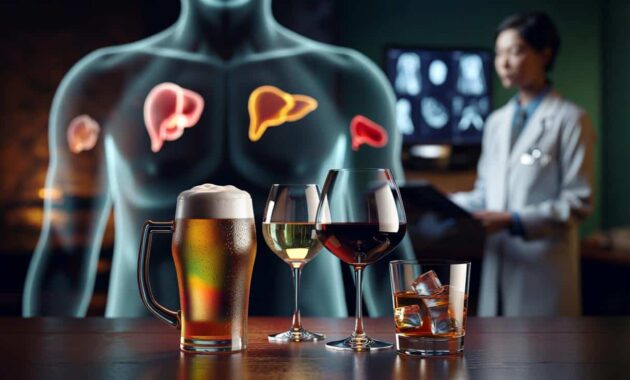
While the risks of excessive alcohol consumption are well-documented, the latest research is revealing that the type of alcoholic beverage you choose can also play a significant role in your cancer risk. From beer to wine, each drink interacts with the body in a unique way, leading to varying levels of cancer-causing compounds and other health implications.
This growing body of evidence is challenging the traditional “one-size-fits-all” approach to alcohol and cancer prevention. By understanding the nuances of how different alcoholic drinks impact our bodies, individuals can make more informed choices about their consumption habits and take proactive steps to reduce their overall cancer risk.
As the science continues to evolve, it’s clear that the conversation around alcohol and health is becoming increasingly complex. But with the right information and a willingness to re-examine our assumptions, we can all work towards a healthier relationship with these beloved beverages.

Unraveling the Link Between Alcohol and Cancer
At the heart of the alcohol-cancer connection lies a complex interplay of factors, including the way our bodies metabolize different types of alcoholic drinks. While the general consensus is that any amount of alcohol consumption can increase the risk of certain cancers, the specific mechanisms behind this relationship are still being actively researched.
One key factor is the production of acetaldehyde, a toxic byproduct that forms when our bodies break down alcohol. Acetaldehyde has been identified as a potential carcinogen, meaning it can contribute to the development of cancer cells. The amount of acetaldehyde produced can vary depending on the type of alcohol consumed.
Additionally, certain alcoholic beverages, such as beer and spirits, may contain other compounds that can further elevate cancer risk. These could include congeners, which are byproducts of fermentation, or contaminants introduced during the production process.

Exploring the Nuances of Alcohol Type and Cancer Risk
While the overall message about the dangers of excessive drinking remains valid, the latest studies suggest that the specific type of alcohol you choose can significantly impact your cancer risk. For example, some research indicates that wine, particularly red wine, may be associated with a lower risk of certain cancers compared to other alcoholic beverages.
This difference may be attributed to the presence of antioxidants and other beneficial compounds found in wine, which could potentially counteract some of the cancer-promoting effects of alcohol. However, it’s important to note that the protective effects of wine are not a green light for unlimited consumption, and moderation remains key.
On the other hand, studies have shown that higher consumption of beer and spirits, such as vodka or whiskey, may be linked to a higher risk of certain cancers, including breast and prostate cancer. This could be due to the increased production of acetaldehyde or the presence of other potentially harmful substances in these types of alcoholic drinks.

Reconciling Individual Differences in Cancer Risk
One of the challenges in understanding the relationship between alcohol and cancer is the significant individual variation in how people respond to and metabolize alcohol. Factors such as genetics, gender, and overall health can all play a role in determining an individual’s cancer risk, even when they consume the same amount and type of alcohol.
For example, some people may be genetically predisposed to producing higher levels of acetaldehyde, making them more susceptible to the cancer-promoting effects of alcohol. Similarly, women generally have a lower tolerance for alcohol and may be at higher risk of certain alcohol-related cancers, such as breast cancer.
Understanding these individual differences is crucial for tailoring prevention and treatment strategies, as a one-size-fits-all approach may not be effective in reducing alcohol-related cancer risk. By considering the unique factors that influence an individual’s response to alcohol, healthcare providers can offer more personalized guidance and support.

Practical Strategies for Reducing Alcohol-Related Cancer Risk
While the research on the complex relationship between alcohol and cancer continues to evolve, there are practical steps individuals can take to mitigate their risk. One of the most important factors is to be mindful of your overall alcohol consumption, regardless of the type of drink.
Adhering to recommended guidelines for “moderate” drinking, which is typically defined as no more than one drink per day for women and no more than two drinks per day for men, can help reduce the risk of alcohol-related cancers. However, it’s important to note that even these “moderate” levels may not be completely risk-free, and the safest option is to limit or abstain from alcohol altogether.
Additionally, choosing lower-alcohol or non-alcoholic alternatives, such as wine spritzers or mocktails, can be a simple way to reduce your exposure to cancer-causing compounds. Incorporating more water, juice, or non-alcoholic beverages into your drinking routine can also help dilute the effects of alcohol and support overall health.

Navigating the Changing Landscape of Alcohol and Cancer
As the scientific understanding of the alcohol-cancer relationship continues to evolve, it’s important for individuals to stay informed and adapt their drinking habits accordingly. By recognizing the nuances of how different alcoholic beverages impact cancer risk, people can make more informed choices about their consumption and take proactive steps to safeguard their long-term health.
Whether you’re a regular drinker or someone looking to reduce your alcohol intake, the key is to approach the topic with an open mind and a willingness to re-examine your assumptions. By staying up-to-date with the latest research and prioritizing your overall well-being, you can navigate the complex landscape of alcohol and cancer with greater confidence and control.
Ultimately, the goal is to empower individuals to make informed decisions about their alcohol consumption and take an active role in reducing their cancer risk. With the right information and a commitment to personal health, we can all work towards a future where the enjoyment of alcoholic beverages is balanced with a deep understanding of their potential consequences.

Alcohol and Cancer: Key Considerations
| Alcohol Type | Cancer Risk | Potential Factors |
|---|---|---|
| Wine | Potentially lower risk | Antioxidants, beneficial compounds |
| Beer | Potentially higher risk | Acetaldehyde production, congeners |
| Spirits (e.g., vodka, whiskey) | Potentially higher risk | Acetaldehyde production, contaminants |
Experts Weigh In on Alcohol and Cancer
“The relationship between alcohol and cancer is complex, and we’re still learning a lot about the nuances. While the overall message about excessive drinking remains valid, we now know that the type of alcohol you consume can also play a significant role in your cancer risk.”
Dr. Sarah Wilkinson, Oncology Researcher
“Individuals need to be aware that even ‘moderate’ drinking, as defined by current guidelines, may not be completely risk-free when it comes to certain types of cancer. The safest approach is to limit alcohol consumption as much as possible and be mindful of the specific beverages you’re choosing.”
Emily Hartmann, Registered Dietitian and Nutritionist

“The unique genetic and metabolic factors that influence how people respond to alcohol are crucial in understanding their cancer risk. Personalized guidance from healthcare providers is essential to help people make informed decisions about their drinking habits.”
Dr. Michael Nguyen, Clinical Oncologist
As the scientific landscape continues to evolve, it’s clear that the conversation around alcohol and cancer is becoming increasingly nuanced and complex. By staying informed, making mindful choices, and prioritizing personal health, individuals can navigate this new reality and take proactive steps to reduce their overall cancer risk.

FAQs: Navigating the Alcohol-Cancer Connection
How does the type of alcoholic drink affect cancer risk?
Different alcoholic beverages can have varying effects on cancer risk due to factors like the production of acetaldehyde, the presence of other potentially harmful compounds, and the potential protective effects of certain compounds (e.g., antioxidants in wine).
Is there a “safe” level of alcohol consumption when it comes to cancer risk?
There is no completely “safe” level of alcohol consumption, as any amount of alcohol can increase the risk of certain cancers. However, adhering to recommended guidelines for “moderate” drinking (no more than one drink per day for women and two drinks per day for men) may help reduce the risk.
How do individual factors affect alcohol-related cancer risk?
Factors like genetics, gender, and overall health can significantly influence how an individual responds to and metabolizes alcohol, leading to varying levels of cancer risk even when consuming the same amount and type of alcohol.
What are practical steps to reduce alcohol-related cancer risk?
Practical strategies include limiting overall alcohol consumption, choosing lower-alcohol or non-alcoholic alternatives, and incorporating more water, juice, or non-alcoholic beverages into your drinking routine.
How can I stay informed about the latest research on alcohol and cancer?
Stay up-to-date by regularly checking reputable sources like medical journals, health organizations, and reliable news outlets. Consult with your healthcare provider to discuss the latest information and how it applies to your individual health and lifestyle.
Is it safe to drink wine for its potential health benefits?
While some research suggests that moderate wine consumption may be associated with a lower risk of certain cancers, the overall cancer risk can vary depending on individual factors. It’s important to consider your personal health and risk profile when making decisions about alcohol consumption.
How can I support someone who is trying to reduce their alcohol intake for cancer prevention?
Offer understanding, encouragement, and practical support, such as suggesting alcohol-free activities or providing alternatives to alcoholic beverages. Avoid judgment and focus on creating a positive, health-conscious environment.
What should I do if I have a family history of alcohol-related cancers?
If you have a family history of alcohol-related cancers, it’s important to discuss your personal risk with a healthcare provider. They can help you develop a personalized plan to monitor your health, make lifestyle adjustments, and take proactive steps to reduce your cancer risk.