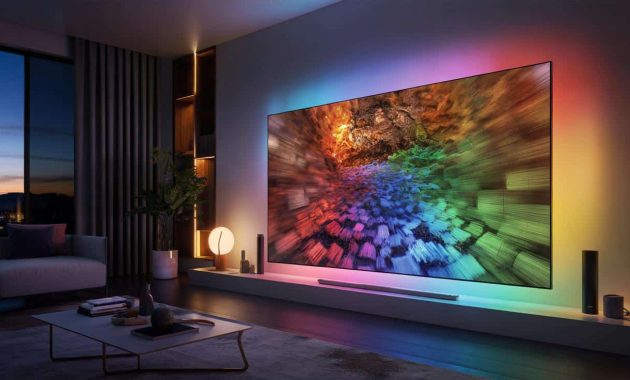
At CES 2026, the annual tech show that sets the tone for living-room gadgets, a fresh display technology called Micro RGB is about to step into the spotlight. After years of hearing about OLED and Mini‑LED, TV makers are betting this new approach to pixels will finally push home screens closer to studio‑grade colour and brightness.
A new contender after OLED and Mini‑LED
For the last decade, the TV story has been fairly predictable: OLED at the high end, Mini‑LED fighting for attention with brighter, cheaper panels. CES 2026 looks different. Major brands are preparing a coordinated push around Micro RGB screens, pitched as the next big leap in consumer displays.
Instead of using a white backlight shining through colour filters, Micro RGB panels rely on tiny red, green and blue LEDs that generate colour directly. Each microscopic LED cluster works like a self‑contained pixel engine, controlling light and colour with much finer precision than most current TVs.
Micro RGB TVs aim to produce richer, more accurate colours and higher brightness by removing white backlights from the equation.
LG, Samsung, Sony and Hisense all plan to showcase their first full ranges of Micro RGB models at the show. Early specs point to LED sizes under 100 microns across, which is where the “Micro” label comes from. That level of miniaturisation allows denser pixel layouts, sharper images and subtler gradations in colour.
How Micro RGB changes the picture
Traditional LCD TVs rely on a large white or bluish backlight shining through colour filters and liquid crystals. Micro RGB rewrites that recipe. Each tiny LED emits only red, green or blue, and the TV combines them to form the final image.
Key advantages promised by manufacturers
- Richer colour gamut: Direct RGB light should cover more of the colour space used by cinema and HDR content.
- Higher peak brightness: Concentrated micro‑LEDs can push highlights harder without washing out the scene.
- Less motion blur: Faster light response can reduce smearing or ghosting during action scenes and sports.
- Improved durability: No large, constantly stressed white backlight means less wear and tear over time, at least on paper.
Brands also say the panels almost eliminate the “persistence” or after‑image effect seen on some older LCDs. Each LED switches on and off so rapidly that moving objects should appear cleaner, especially at high frame rates.
Manufacturers claim Micro RGB panels are not only more vivid, but also more stable over time than traditional backlit LCD screens.
A confusing naming war is coming
There is one big catch: branding. Each manufacturer is trying to stand out by renaming essentially the same core idea.
➡️ The hole in your pan handle isn’t just for hanging: here’s the little-known use
➡️ This natural trick makes limescale disappear like magic
➡️ Reserve officer: role, pathway and responsibilities explained
➡️ A “flesh‑eating” bacterium killed several people this summer on US beaches, authorities on alert
➡️ Army Apprenticeship BTS: Options, Benefits And How To Apply
| Brand | Marketing name |
|---|---|
| LG | Micro RGB |
| Samsung | Micro RGB |
| Sony | True RGB |
| Hisense | RGB Mini‑LED |
That last one, from Hisense, is especially risky for consumers. “RGB Mini‑LED” sounds a lot like the Mini‑LED TVs already on shelves, even though the structure behind the panel is different. Sony’s “True RGB” pushes the idea of accuracy, while LG and Samsung seem happier sticking with the generic Micro RGB term.
The other source of confusion is Micro RGB versus Micro LED. They are not the same thing, although the names overlap. Micro LED screens, heavily hyped a few years ago, use individual self‑emitting LEDs for each subpixel, offering near‑perfect blacks and superb contrast. The problem has been cost: manufacturing Micro LED at TV sizes has been eye‑wateringly expensive, limiting it to luxury installations.
Micro RGB borrows some ideas from Micro LED, but aims for a more realistic price point, even if absolute black levels may not match OLED or pure Micro LED.
Beyond picture quality: TVs as design objects
CES 2026 will not just be about raw specs. TV makers also want to change how screens look when they are switched off. Nobody really loves a giant black rectangle dominating the living room, so brands are leaning heavily into art‑mode and gallery‑style designs.
LG, for instance, is preparing its Gallery TV line built around Micro RGB, designed to sit flush on the wall like a framed painting. Owners will be able to access a curated library of around 4,500 artworks, turning the screen into digital decor when not watching shows or sports.
Other manufacturers are pushing ultra‑thin bezels, matte finishes that mimic canvas and modular frames that better match furniture. Wireless display systems are also gaining ground, moving power and signal boxes away from the panel to reduce cable clutter around the TV.
AI tuning for your living room
Artificial intelligence is becoming a standard bullet point in TV brochures, and Micro RGB sets will be no exception. Brands are promising picture engines that use machine learning to analyse content in real time and then adjust the image to suit both the content and the room.
That means the TV might recognise a dimly lit drama scene and boost shadow detail without flattening the mood, or tone down brightness in a dark bedroom to protect your eyes. Ambient sensors will track room light and colour temperature, while AI algorithms tweak white balance, sharpness and compression artefacts on the fly.
AI on Micro RGB TVs is less about fancy buzzwords and more about constant micro‑adjustments designed to make each room feel like a calibrated studio.
Some brands also plan to use AI for personalisation. Profiles tied to user accounts could rearrange app carousels, surface different recommendations and even remember preferred picture modes for gaming versus films.
The price question hanging over CES 2026
The biggest unknown is cost. Micro LED’s limited success has left manufacturers cautious. Premium image quality means little if the price jumps beyond what typical buyers will accept.
Brands are staying quiet ahead of their Vegas keynotes, but industry watchers expect an initial focus on high‑end models: large screen sizes, flagship series and limited runs. If yields improve and component prices fall, Micro RGB could filter down into mid‑range TVs over the next few years, much as OLED did.
Price will also shape how Micro RGB competes with OLED. OLED still leads on black levels and viewing angles, while Micro RGB promises brightness and durability. If pricing sits closer to Mini‑LED than to OLED, it could tempt buyers who watch a lot of sports or daytime TV in bright rooms.
What Micro RGB actually means for everyday viewing
For most people, the real test is simple: does this technology make Netflix, sports and games look better than last year’s models? In bright living rooms, the answer may well be yes. Micro RGB’s extra brightness and colour control should keep HDR highlights visible on sunny afternoons, without crushing details.
Gamers could also benefit. Reduced motion blur and faster light response times pair naturally with 120Hz and 144Hz refresh rates. A Micro RGB screen set up with variable refresh rate support could smooth out frame drops on next‑gen consoles and gaming PCs.
There are trade‑offs. Blacks may not be as inky as on the best OLED or true Micro LED panels, especially in pitch‑dark rooms. On the other hand, concerns about OLED burn‑in — permanent image retention from static logos or HUDs — should be less of an issue on Micro RGB, since the underlying tech behaves more like an advanced LCD.
Jargon check: Micro RGB, Mini‑LED, Micro LED
For anyone trying to decode spec sheets, a few terms are worth keeping straight:
- Mini‑LED: Uses lots of small LEDs as a backlight behind an LCD panel. Better contrast than traditional LCD, but still relies on zones rather than per‑pixel control.
- Micro RGB: Uses extremely small RGB LEDs to control light more precisely, aiming for richer colour and higher brightness than Mini‑LED.
- Micro LED: Each subpixel is its own self‑emitting LED, like a giant wall of tiny light sources. Excellent blacks, but currently very expensive.
From a buyer’s perspective, Micro RGB sits between Mini‑LED and pure Micro LED, pairing many of the practical advantages of LED‑based systems with a more ambitious colour and brightness profile.
What to watch for once these TVs launch
When the first Micro RGB televisions reach stores, a few checks will help separate marketing from reality. Side‑by‑side demos with OLED and Mini‑LED will show how colours hold up in skin tones and tricky gradients like sunsets. Looking closely at dark scenes can reveal any visible blooming or halos around bright objects.
Real homes also rarely look like darkened showrooms, so viewing a Micro RGB set in a bright environment with reflections and mixed lighting will give a better sense of its strengths. Families who watch a lot of daytime TV or sports might find the extra punch more noticeable than cinephiles watching films in a pitch‑black room.
As CES 2026 approaches, one thing seems clear: screen makers are shifting from purely chasing resolution numbers toward more subtle improvements in colour accuracy, visual comfort and home integration. Micro RGB is the latest attempt to make that shift feel visible the moment you switch on the TV.