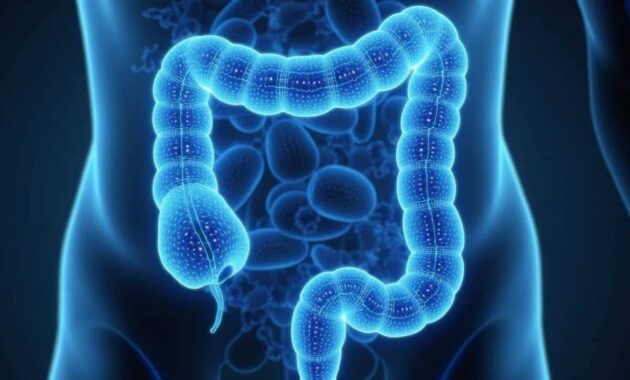
In a world where medical breakthroughs often rely on synthetic drugs, a quiet revolution is unfolding within the human gut. Researchers in France have unveiled a groundbreaking treatment for Crohn’s disease that harnesses the power of our own microbiome – the trillions of microorganisms that call our intestines home.
This innovative approach challenges the traditional pharmaceutical model, offering hope to the millions of individuals worldwide struggling with the debilitating effects of Crohn’s, a chronic inflammatory bowel disease. The key to this breakthrough lies in a single, yet vital, bacterium: Faecalibacterium prausnitzii.
Uncovering the Missing Peacekeeper in Crohn’s
For years, scientists have observed that Crohn’s patients often display a noticeable absence of Faecalibacterium prausnitzii, a bacterium that thrives in healthy intestines. This discovery has led researchers to believe that the depletion of this “peacekeeper” microbe may play a crucial role in the development and progression of Crohn’s disease.

By delving deeper into the intricate relationship between Faecalibacterium prausnitzii and the immune system, the French team has uncovered a remarkable mechanism. This bacterium, it seems, has the ability to reprogram the very cells that drive inflammation, transforming them into agents of harmony and balance.
The implications of this finding are vast, as it opens the door to a new class of “living biotherapies” that could fundamentally reshape the way we treat Crohn’s disease.
Harnessing the Power of the Microbiome
Unlike traditional pharmaceutical drugs, which often target specific symptoms or pathways, the French team’s approach harnesses the inherent power of the human microbiome. By reintroducing Faecalibacterium prausnitzii, the researchers aim to restore the natural balance and immune regulation within the gut, addressing the root cause of Crohn’s disease rather than just its symptoms.

This innovative approach holds the promise of long-lasting remission and potentially even a cure for Crohn’s, a prospect that has eluded the medical community for decades. By leveraging the body’s own healing mechanisms, the researchers believe they can create a more sustainable and personalized treatment option.
The key, they say, lies in understanding the delicate interplay between the microbiome and the immune system – a relationship that has been the subject of intense scrutiny in recent years as scientists uncover the far-reaching implications of gut health.
Towards Living Biotherapies for Crohn’s
The French team’s work represents a significant step forward in the field of microbiome-based therapies, often referred to as “living biotherapies.” Unlike traditional pharmaceuticals, which are typically synthetic compounds, these innovative treatments harness the power of naturally occurring microorganisms to address a wide range of health conditions.

In the case of Crohn’s disease, the researchers envision a future where patients could receive personalized infusions of Faecalibacterium prausnitzii, tailored to their specific microbial profile and immune response. This approach, they believe, could not only alleviate the debilitating symptoms of Crohn’s but also promote long-term healing and prevention of disease flare-ups.
The potential of this treatment extends beyond Crohn’s, as the researchers suggest that the principles behind it could be applied to a wide range of inflammatory and autoimmune disorders, ultimately transforming the way we approach these complex conditions.
Who Could Benefit, and When?
As the French team’s research continues to unfold, the question on the minds of Crohn’s patients and their loved ones is: When can we expect this groundbreaking treatment to become available?

While the researchers caution that the path to clinical implementation is still a work in progress, they remain optimistic about the potential timeline. Initial trials have shown promising results, with some patients experiencing remission and a significant reduction in disease-related symptoms.
The researchers emphasize that the treatment could be particularly beneficial for individuals in the earlier stages of Crohn’s disease, as the restoration of the gut microbiome may be more effective in preventing further damage and progression of the condition. However, they also note that the treatment could potentially benefit patients at all stages of the disease, offering a new avenue of hope for those who have not responded well to traditional therapies.
Key Concepts Patients May Hear About
As the scientific community continues to delve into the intricacies of the human microbiome, patients with Crohn’s disease may start to encounter a range of new terms and concepts related to the French team’s groundbreaking treatment.

Some of the key terms that may arise include “living biotherapies,” “microbiome-based therapies,” and “immune reprogramming.” These concepts reflect the shift in focus from synthetic drugs to harnessing the natural powers of the gut microbiome to address the underlying causes of Crohn’s disease.
Patients may also hear about the specific role of Faecalibacterium prausnitzii, the “missing peacekeeper” bacterium that the researchers believe is crucial in restoring balance and regulating the immune response in Crohn’s patients. Understanding the importance of this microbial species will be essential as the treatment progresses towards clinical application.
What This Could Mean for Everyday Life with Crohn’s
For the millions of individuals living with Crohn’s disease, the prospect of a transformative treatment that targets the root cause of the condition rather than just its symptoms is truly life-changing. The French team’s work has the potential to not only alleviate the debilitating physical symptoms of Crohn’s but also improve the overall quality of life for patients.

Imagine a future where Crohn’s patients no longer have to rely on a constant cycle of medications, each with its own set of side effects and limitations. Instead, they could receive personalized infusions of Faecalibacterium prausnitzii, a natural and sustainable solution that helps their bodies regain control over the inflammatory processes driving their disease.
This shift could mean the end of frequent hospitalizations, the ability to participate in activities without the fear of flare-ups, and the opportunity to embrace a more fulfilling and independent lifestyle. For those who have struggled with the debilitating effects of Crohn’s, this breakthrough could represent a new chapter of hope and possibility.
| Key Facts about Crohn’s Disease | Prevalence and Impact |
|---|---|
|
|
“This treatment represents a paradigm shift in the way we approach Crohn’s disease. By targeting the root cause of the condition – the imbalance in the gut microbiome – we have the potential to achieve long-lasting remission and even a cure for many patients.”
Dr. Isabelle Arnaud, Lead Researcher, French Institute of Health and Medical Research

As the scientific community continues to unravel the complexities of the human microbiome, the French team’s breakthrough in Crohn’s disease treatment offers a tantalizing glimpse into a future where our own microbial partners hold the key to unlocking better health and quality of life.
“The implications of this research go far beyond Crohn’s disease. By understanding how specific microbes can reprogram the immune system, we open the door to a new era of personalized, microbiome-based therapies for a wide range of inflammatory and autoimmune conditions.”
Dr. Émile Rousseau, Immunologist, University of Paris

With the potential to transform the lives of millions, the French team’s work stands as a testament to the power of scientific innovation and the remarkable resilience of the human body.
What is Crohn’s disease, and how common is it?
Crohn’s disease is a chronic inflammatory bowel disease that causes inflammation and damage to the digestive tract. It affects an estimated 3 million people in the United States, with most diagnoses occurring in young adulthood (ages 15-35).
What are the main symptoms of Crohn’s disease?
The primary symptoms of Crohn’s disease include abdominal pain, diarrhea, fatigue, and unintentional weight loss. Crohn’s can also lead to more severe complications, such as intestinal blockages and the formation of fistulas (abnormal connections between the intestines and other organs).
How does the French team’s treatment work?
The French team’s groundbreaking treatment focuses on restoring the balance of a specific bacterium, Faecalibacterium prausnitzii, which is often depleted in individuals with Crohn’s disease. By reintroducing this “peacekeeper” microbe, the researchers aim to reprogram the immune cells and address the root cause of the condition, rather than just treating the symptoms.
Who would be eligible for this new treatment?
The researchers believe this treatment could be particularly beneficial for individuals in the earlier stages of Crohn’s disease, as the restoration of the gut microbiome may be more effective in preventing further damage and progression of the condition. However, they also note that the treatment could potentially benefit patients at all stages of the disease.
What is the timeline for this treatment becoming available?
The researchers caution that the path to clinical implementation is still a work in progress, but they remain optimistic about the potential timeline. Initial trials have shown promising results, and the team is working to further refine the treatment and navigate the regulatory approval process.
How could this treatment impact the daily lives of Crohn’s patients?
If successful, the French team’s treatment could significantly improve the quality of life for Crohn’s patients by alleviating the debilitating physical symptoms, reducing the need for frequent hospitalizations, and allowing for a more independent and fulfilling lifestyle.
How does this treatment differ from traditional Crohn’s medications?
Unlike traditional pharmaceutical drugs that target specific symptoms or pathways, the French team’s approach harnesses the inherent power of the human microbiome. By reintroducing a crucial bacterium, Faecalibacterium prausnitzii, the researchers aim to restore the natural balance and immune regulation within the gut, addressing the root cause of Crohn’s disease.
What are the broader implications of this research?
The researchers suggest that the principles behind this treatment could be applied to a wide range of inflammatory and autoimmune disorders, ultimately transforming the way we approach these complex conditions. The potential for microbiome-based therapies extends beyond Crohn’s disease, offering hope for a new era of personalized, sustainable healthcare solutions.