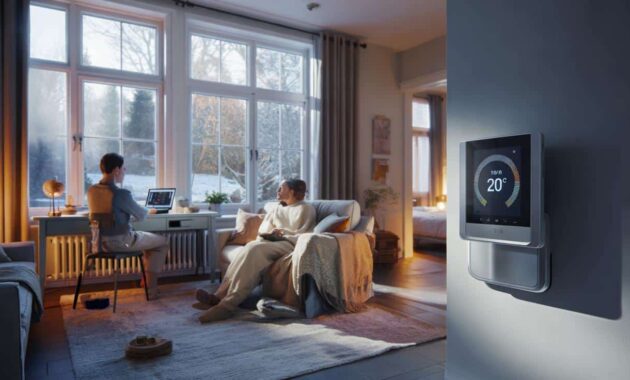
As the chill of winter settles in, the age-old debate around the “ideal” home temperature rages on. For decades, we’ve been told to keep our thermostats set to a chilly 19°C to save money and energy. But as modern homes become more energy-efficient and our understanding of comfort evolves, this one-size-fits-all approach no longer holds true.
In the face of rising energy costs and growing environmental concerns, it’s time to rethink the 19°C rule and embrace a more nuanced approach to indoor temperature. Join us as we explore the real ideal temperature for your home, and uncover the surprising benefits of finding your personal comfort sweet spot.
Farewell to the 19°C Rule: The Outdated Assumption
The 19°C guideline originated in the 1970s, when energy conservation was a primary concern. Back then, homes were often drafty and poorly insulated, making it challenging to maintain a comfortable temperature. The 19°C rule was a one-size-fits-all solution that aimed to reduce energy consumption and keep heating bills in check.

However, the world has changed dramatically since then. Modern homes are designed with energy efficiency in mind, boasting improved insulation, better windows, and more advanced heating and cooling systems. As a result, maintaining a comfortable temperature at home has become far more achievable, and the rigid 19°C rule no longer fits the bill.
Moreover, our understanding of human comfort and the impact of temperature on health and productivity has evolved. Numerous studies have shown that the optimal indoor temperature range can vary significantly based on factors such as individual preferences, activity levels, and even the specific room or area within the home.
The New Sweet Spot: 20°C
As the 19°C rule falls out of favor, a new temperature guideline is emerging: 20°C. This temperature is quickly becoming the new benchmark for comfortable and energy-efficient living, striking a balance between cost-savings and personal well-being.

Research has shown that 20°C is the temperature at which most people feel the most comfortable and productive. This temperature is warm enough to provide a cozy atmosphere, yet cool enough to prevent the drowsiness and discomfort that can come with higher temperatures.
Moreover, maintaining a 20°C temperature in the home can have tangible benefits. Studies have linked this ideal temperature to improved sleep quality, reduced risk of respiratory illnesses, and even enhanced cognitive function. As we spend more time indoors, the importance of creating a comfortable and healthy indoor environment cannot be overstated.
Customizing Comfort: Different Rooms, Different Needs
While 20°C may be the overall sweet spot, the reality is that different rooms and areas within the home have varying temperature requirements. A one-size-fits-all approach simply won’t cut it.

For example, bedrooms generally require a slightly cooler temperature (around 18-19°C) to facilitate better sleep, while living rooms and work areas may benefit from a slightly warmer setting (around 21-22°C) to promote relaxation and productivity.
By tailoring the temperature to the specific needs of each room, you can create a more personalized and comfortable living environment. This not only enhances your overall well-being but can also lead to more efficient energy use and reduced heating and cooling costs.
Simple Moves that Make 20°C Feel Warmer
Achieving the optimal 20°C temperature in your home doesn’t have to mean sacrificing comfort. There are several simple and cost-effective steps you can take to make this temperature feel even warmer and more inviting.

Ensuring your home is well-insulated, investing in high-quality window treatments, and using strategic lighting can all contribute to a cozy and welcoming atmosphere. Additionally, incorporating textiles like plush rugs, heavy curtains, and cozy throws can provide a tangible sense of warmth and comfort.
By making small adjustments to your home’s design and decor, you can create a harmonious balance between energy efficiency and personal comfort, allowing you to embrace the 20°C sweet spot with ease.
Crossing the Health Line: How Cold is Too Cold?
While the 19°C rule may be outdated, it’s important to recognize that there is a limit to how low the indoor temperature should drop. Dipping below a certain threshold can have significant implications for your health and well-being.

Experts generally agree that indoor temperatures should not fall below 16°C, as prolonged exposure to such cold can increase the risk of respiratory illnesses, cardiovascular problems, and even hypothermia. In extreme cases, living in a home that is too cold can have devastating consequences for the most vulnerable members of society, such as the elderly or those with pre-existing medical conditions.
By understanding the health risks associated with excessively cold indoor temperatures, we can strike a balance between energy savings and maintaining a safe and comfortable living environment.
The New Energy Reality: Comfort Versus Climate and Cost
As the world grapples with the challenges of climate change and rising energy prices, the debate around the “ideal” home temperature has taken on a new level of complexity. Homeowners must now carefully weigh the competing priorities of personal comfort, environmental impact, and financial considerations.

On one hand, the pursuit of maximum comfort and well-being may lead to higher energy usage and a larger carbon footprint. On the other, prioritizing energy savings and emissions reduction could result in a less comfortable living environment, potentially impacting physical and mental health.
The key is to find a middle ground that satisfies all these concerns. By embracing the 20°C sweet spot and implementing smart home technology, energy-efficient upgrades, and sustainable practices, homeowners can strike a balance between comfort, cost, and environmental responsibility.
What “Ideal Temperature” Really Means in Practice
Ultimately, the concept of an “ideal temperature” for the home is a highly personal and nuanced one. While 20°C may be the new benchmark, the reality is that individual preferences, lifestyle factors, and unique home environments play a significant role in determining the right temperature for each household.

By understanding the various factors that contribute to personal comfort, homeowners can make informed decisions about their indoor temperature preferences. This may involve experimenting with different settings, considering the specific needs of each room, and making adjustments based on feedback and personal experience.
As we continue to navigate the evolving landscape of home energy and climate considerations, the notion of an “ideal temperature” will likely continue to evolve. But by embracing a more flexible and personalized approach, we can create living spaces that are not only comfortable and energy-efficient but also aligned with our individual needs and values.
| Temperature Range | Recommended Use |
|---|---|
| 16-18°C | Minimum safe temperature to avoid health risks |
| 18-19°C | Ideal for bedrooms and resting areas |
| 20°C | Overall sweet spot for comfort and efficiency |
| 21-22°C | Recommended for living rooms and workspaces |
“The optimal indoor temperature is not a one-size-fits-all solution. It’s about finding the right balance between comfort, energy efficiency, and environmental responsibility for your unique home and lifestyle.”
– Dr. Sarah Langton, Energy and Sustainability Researcher

As the seasons change and the weather outside fluctuates, the pursuit of the “ideal” home temperature will continue to be a topic of discussion. But by embracing a more flexible and personalized approach, we can create living spaces that are not only comfortable and energy-efficient but also aligned with our individual needs and values.
“Achieving the perfect indoor temperature is not just about saving money on energy bills. It’s about creating a healthy, productive, and sustainable living environment that supports our overall well-being.”
– Jane Wilkinson, Certified Indoor Environmental Specialist
| Factors Influencing Ideal Temperature | Impact on Comfort and Efficiency |
|---|---|
| Home insulation and weatherproofing | Improves temperature regulation and reduces energy needs |
| Occupant age, health, and activity level | Affects individual temperature preferences and tolerance |
| Room usage and function | Requires tailored temperature settings for different spaces |
| Heating and cooling system efficiency | Impacts the ability to maintain desired temperatures |
“By embracing a more nuanced approach to indoor temperature, we can create living spaces that are not only comfortable, but also energy-efficient and environmentally responsible. It’s about finding what works best for you and your home.”
– Alex Summers, Sustainable Home Design Consultant
As we bid farewell to the outdated 19°C rule, let’s welcome the new era of personalized comfort and energy-conscious living. By embracing the 20°C sweet spot and tailoring our homes to our unique needs, we can strike a balance between personal well-being, cost-savings, and environmental stewardship.
What is the recommended temperature range for different rooms in the home?
The recommended temperature range for different rooms in the home is as follows: bedrooms and resting areas (18-19°C), overall sweet spot for comfort and efficiency (20°C), and living rooms and workspaces (21-22°C).
How can I make a 20°C temperature feel warmer in my home?
You can make a 20°C temperature feel warmer by ensuring your home is well-insulated, investing in high-quality window treatments, using strategic lighting, and incorporating cozy textiles like plush rugs, heavy curtains, and throws.
What are the health risks associated with excessively cold indoor temperatures?
Prolonged exposure to indoor temperatures below 16°C can increase the risk of respiratory illnesses, cardiovascular problems, and hypothermia, especially for vulnerable individuals like the elderly or those with pre-existing medical conditions.
How do I find the “ideal” temperature for my specific home and needs?
Finding the “ideal” temperature for your home is a personalized process that involves understanding your individual preferences, lifestyle factors, and the unique characteristics of your living space. Experiment with different settings and make adjustments based on feedback and personal experience.
What are the key factors that influence the ideal indoor temperature?
The key factors that influence the ideal indoor temperature include home insulation and weatherproofing, occupant age, health, and activity level, room usage and function, and the efficiency of the heating and cooling system.
How can I balance comfort, energy efficiency, and environmental responsibility when setting my home’s temperature?
By embracing the 20°C sweet spot, implementing energy-efficient upgrades, and using smart home technology, you can strike a balance between personal comfort, cost-savings, and environmental responsibility in your home.
What are the benefits of maintaining a 20°C temperature in the home?
Maintaining a 20°C temperature in the home can provide benefits such as improved sleep quality, reduced risk of respiratory illnesses, and enhanced cognitive function, while also promoting energy efficiency and cost savings.
How can I tailor the temperature to the specific needs of different rooms in my home?
To tailor the temperature to different rooms, you can set the temperature slightly cooler (around 18-19°C) in bedrooms and resting areas, and slightly warmer (around 21-22°C) in living rooms and workspaces.