
In a quiet corner of Mardin, a province in southeastern Turkey, an extraordinary discovery was made – a 1,500-year-old Roman mosaic, hidden for centuries under layers of concrete. This ancient artistic treasure, once at risk of being lost forever, has now been rescued from the clutches of traffickers, offering a glimpse into the region’s rich cultural heritage.
The mosaic’s journey to salvation was a remarkable one, a testament to the dedication of local authorities and the vigilance of citizens who refused to let this piece of history slip away. Through a series of serendipitous events and determined efforts, the mosaic has been meticulously restored, its intricate patterns and vibrant colors now shining once more.
A Raid Cracks Open a Backyard Secret
It was a routine police operation that first brought the mosaic to light. Acting on a tip-off, authorities raided a property in Mardin, suspecting the illegal trade of antiquities. What they discovered, hidden beneath the concrete floor of a dilapidated building, was a stunning late Roman mosaic, its geometric patterns and intricate designs hinting at a lost world.

The mosaic, measuring approximately 4 by 5 meters, had been concealed for decades, its true value and significance unknown to the property’s owners. The raid not only exposed this hidden treasure but also set in motion a series of events that would ultimately ensure its preservation.
With the mosaic now in the custody of the authorities, a team of experts was assembled to carefully study and document the find. Their analysis revealed that the mosaic dated back to the 5th or 6th century AD, a time when Mardin was a crossroads of cultures and empires.
Under a Ruined Mill, Geometry and a Name
Just months after the first mosaic was discovered, another surprise awaited researchers in Mardin. During a routine clean-up operation at an abandoned mill, a second late Roman mosaic surfaced, its intricate geometric designs and figures captivating onlookers.

This mosaic, larger than the first, measured approximately 8 by 6 meters and featured a central figure, believed to be a personification of the river god Tigris, surrounded by a border of animals and geometric patterns. Intriguingly, the mosaic also included an inscription, which, when deciphered, revealed the name of the patron who had commissioned the work.
The discovery of these two mosaics, both hidden in plain sight for centuries, underscores the rich cultural heritage that lies beneath the surface of Mardin. Each mosaic offers a tantalizing glimpse into the region’s past, a testament to the enduring artistry and craftsmanship of the people who once called this corner of the world home.
An Art Crossroads at the Edge of Empires
Mardin, situated at the intersection of ancient civilizations, has long been a hub of cultural exchange and artistic expression. The discovery of these two remarkable mosaics serves as a powerful reminder of the region’s strategic importance and the influence of its diverse inhabitants throughout history.

During the late Roman period, Mardin was a thriving center of commerce and learning, with a population that included Greeks, Armenians, Assyrians, and Arabs. The mosaics, with their intricate designs and iconography, reflect the blending of these cultural traditions, as well as the technical mastery of the local artisans who created them.
Experts believe that the mosaics may have adorned the floors of wealthy homes or public buildings, serving as both functional and decorative elements in the vibrant urban landscape of ancient Mardin. Their discovery sheds new light on the artistic and architectural achievements of this long-overlooked region, challenging the traditional narratives of cultural development in the Near East.
Fighting the Antiquities Trade, with Citizens on the Front Line
The rescue of these two mosaics from the clutches of traffickers is a testament to the dedication and vigilance of local authorities and the community of Mardin. In a region that has long grappled with the scourge of the illegal antiquities trade, the discovery and preservation of these artifacts represent a significant victory in the ongoing battle to protect cultural heritage.

According to Emre Taşkın, a cultural heritage expert, the local community in Mardin has played a crucial role in safeguarding the region’s archaeological treasures. “The citizens of Mardin have been instrumental in reporting suspicious activities and working closely with the authorities to prevent the looting and trafficking of these invaluable artifacts,” he said.
The successful recovery of the mosaics has also highlighted the importance of public-private partnerships in the preservation of cultural heritage. By fostering collaboration between government agencies, academic institutions, and the local community, the teams in Mardin have demonstrated the power of collective action in the face of complex challenges.
How the Teams Read and Save a Mosaic
The process of uncovering, documenting, and preserving the Mardin mosaics has been a meticulous and painstaking endeavor, requiring the expertise of a multidisciplinary team of archaeologists, conservators, and technicians.

Once the mosaics were discovered, the first step was to carefully document their condition and composition, using a range of cutting-edge technologies and analytical techniques. This included high-resolution imaging, 3D scanning, and chemical analysis, all of which helped the team to understand the materials and methods used in the original construction.
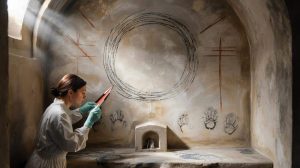
With this information in hand, the conservation team then developed a tailored plan for the delicate process of extraction and stabilization. This involved carefully removing the mosaics from their original locations, transporting them to a dedicated conservation lab, and undertaking a painstaking process of cleaning, consolidation, and restoration.
| Key Steps in Mosaic Conservation | Description |
|---|---|
| Documentation | High-resolution imaging, 3D scanning, and chemical analysis to understand the mosaic’s composition and condition. |
| Extraction | Carefully removing the mosaic from its original location, ensuring minimal damage to the fragile tiles. |
| Stabilization | Consolidating the mosaic’s structure and securing the individual tiles in place, using specialized adhesives and support systems. |
| Cleaning and Restoration | Gently removing accumulated dirt and debris, while carefully addressing any areas of damage or loss. |
| Display and Interpretation | Presenting the restored mosaic in a way that enhances public understanding and appreciation of its cultural significance. |
The successful preservation of the Mardin mosaics is a testament to the dedication and expertise of the teams involved, as well as the commitment of the local authorities and community to safeguarding their cultural heritage.

Tips for Landowners and Travelers in Heritage-Rich Regions
The discovery of the Mardin mosaics serves as a powerful reminder of the importance of preserving archaeological and cultural treasures, even in the face of development and urban growth. For landowners and travelers in regions with a rich heritage, there are several key steps that can be taken to help protect these invaluable resources.
First and foremost, it is essential to be vigilant and report any suspicious activities or discoveries to the relevant authorities. In the case of the Mardin mosaics, it was the diligence of local citizens that ultimately led to their recovery and preservation.
Landowners should also familiarize themselves with the laws and regulations surrounding the protection of cultural heritage in their area, and work closely with local authorities and heritage organizations to ensure that any development or excavation activities are carried out in a responsible and sustainable manner.
| Tips for Landowners and Travelers | Description |
|---|---|
| Be Vigilant | Report any suspicious activities or unexpected discoveries to the relevant authorities. |
| Understand Local Laws | Familiarize yourself with the regulations surrounding cultural heritage protection in your area. |
| Collaborate with Authorities | Work closely with local authorities and heritage organizations to ensure responsible development and excavation. |
| Appreciate and Protect | Recognize the value of cultural heritage and take steps to preserve it for future generations. |
| Support Conservation Efforts | Contribute to or volunteer with organizations dedicated to the preservation of archaeological and cultural treasures. |
Ultimately, the story of the Mardin mosaics serves as a powerful reminder of the fragility and importance of our shared cultural heritage. By working together, landowners, travelers, and local communities can help to ensure that these remarkable artifacts continue to be discovered, preserved, and shared with the world for generations to come.
“The discovery of these mosaics in Mardin is a testament to the enduring cultural richness of this region. They offer a glimpse into the artistic traditions and everyday lives of the people who once inhabited this crossroads of civilizations.”
– Dr. Ayla Bayram, Archaeologist, Mardin Museum

“The successful preservation of these mosaics is a triumph for the local community, who have played a crucial role in safeguarding their cultural heritage. Their dedication and vigilance have ensured that these remarkable artifacts will be enjoyed by people for generations to come.”
– Emre Taşkın, Cultural Heritage Expert, Mardin University
“The Mardin mosaics are a remarkable example of the technical skill and artistic innovation that flourished in this region during the late Roman period. Their discovery sheds new light on the complex cultural and political dynamics that shaped this part of the world.”
– Dr. Mehmet Özdoğan, Professor of Archaeology, Istanbul University
“The discovery of these mosaics in Mardin is a testament to the resilience and adaptability of the region’s cultural heritage, which has endured through centuries of change and upheaval.”
“The successful preservation of these artifacts is a triumph of collaboration and community engagement, reminding us that the protection of our shared heritage is a responsibility we all share.”
“As we marvel at the intricate designs and vivid colors of the Mardin mosaics, we are also reminded of the fragility of our cultural legacies and the importance of vigilance and stewardship in safeguarding them for the future.”
What is the significance of the Mardin mosaics?
The Mardin mosaics are significant because they offer a rare glimpse into the artistic and cultural heritage of the late Roman period in the region. The mosaics, with their intricate geometric designs and personifications of deities, reflect the blending of various cultural traditions in this strategic crossroads of ancient civilizations.
How were the mosaics discovered and preserved?
The mosaics were discovered through a combination of police raids and routine clean-up operations, with local citizens playing a crucial role in reporting suspicious activities. A team of experts then carefully documented, extracted, and conserved the mosaics, using a range of advanced techniques to ensure their long-term preservation.
What challenges did the conservation team face in preserving the mosaics?
The conservation team faced several challenges, including the delicate nature of the mosaics, the need to carefully extract them from their original locations, and the ongoing threat of the illegal antiquities trade. The successful preservation of the mosaics required a meticulous, multidisciplinary approach and close collaboration between authorities, heritage organizations, and the local community.
How can landowners and travelers help protect cultural heritage in similar regions?
Landowners and travelers in regions with rich cultural heritage can help protect these valuable resources by being vigilant, reporting any suspicious activities, familiarizing themselves with local laws and regulations, and collaborating with authorities and heritage organizations. Supporting conservation efforts and recognizing the importance of cultural heritage can also contribute to the long-term preservation of these invaluable artifacts.
What lessons can be learned from the Mardin mosaics discovery and preservation?
The Mardin mosaics story highlights the importance of community engagement, public-private partnerships, and a multidisciplinary approach to the protection of cultural heritage. It demonstrates the resilience and adaptability of ancient art forms, as well as the crucial role that citizens can play in safeguarding their shared cultural legacies.
How can the Mardin mosaics contribute to our understanding of the region’s history?
The Mardin mosaics offer a unique window into the cultural and political dynamics of the late Roman period in the Near East. By analyzing the iconography, materials, and construction techniques of the mosaics, scholars can gain valuable insights into the artistic traditions, trade networks, and daily lives of the people who once inhabited this strategic crossroads of ancient civilizations.
What plans are in place for the long-term display and interpretation of the Mardin mosaics?
The Mardin mosaics are currently undergoing a comprehensive conservation and restoration process, with the ultimate goal of displaying them in a dedicated museum or cultural center. The teams involved are working closely with local authorities and heritage organizations to develop engaging interpretive programs that will enhance public understanding and appreciation of these remarkable artifacts.
How can the Mardin mosaics’ discovery inspire similar efforts to protect cultural heritage in other regions?
The success of the Mardin mosaics’ preservation can serve as a model for other communities and authorities facing the challenge of safeguarding their cultural heritage. The story highlights the power of collaboration, community engagement, and a multidisciplinary approach to conservation, and can inspire similar efforts in heritage-rich regions around the world.