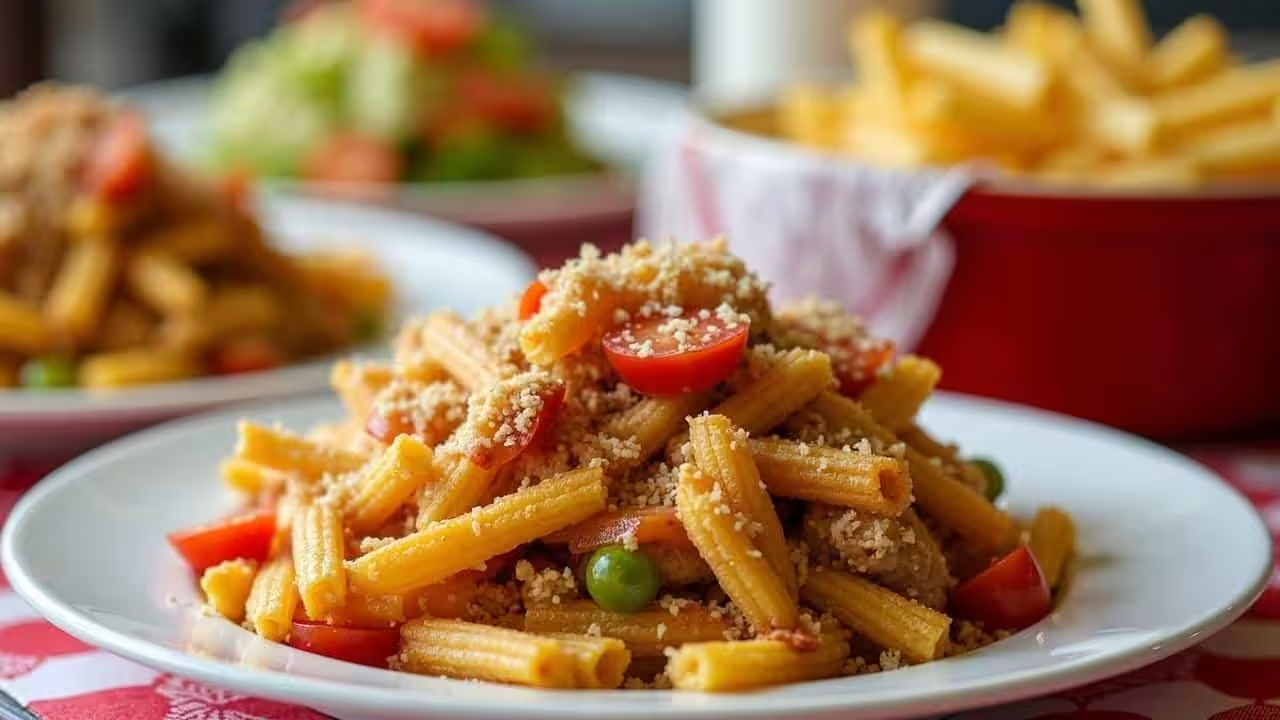
The all-you-can-eat buffet is a tantalizing concept – a fixed-price feast where you can indulge without limits. But how do these establishments manage to turn a profit when faced with overflowing plates and eager diners? Unraveling the economics behind the buffet bonanza reveals an intricate dance of strategic planning, savvy logistics, and the surprising psychology of human appetite.
Beneath the surface of those heaping helpings lies a meticulously orchestrated business model, one that leverages everything from bulk purchasing to the subconscious cues that shape our dining decisions. Join us as we delve into the hidden mechanisms that enable all-you-can-eat buffets to satisfy our cravings while still serving up healthy servings of profitability.
The Illusion of Abundance
The all-you-can-eat buffet’s greatest strength lies in its ability to create the illusion of limitless abundance. From the towering displays of glistening roasts and overflowing vats of steaming dishes to the inviting aroma that wafts through the air, every sensory cue is designed to trigger a primal response – the desire to indulge without restraint.

But this abundance is carefully curated, with portion sizes and replenishment rates calibrated to maintain the perception of a never-ending feast. Buffet operators understand that the mere sight of a full plate can influence our consumption, leading us to take more than we can reasonably eat.
By controlling the visual cues and portion dynamics, buffets create an environment that encourages overindulgence, all while ensuring that the true cost of the meal remains well within their profit margins.
Traffic Control: The Route Through the Buffet Line
The buffet line itself is a masterclass in strategic design, guiding diners through a carefully choreographed experience. The placement of dishes, the flow of the line, and even the width of the aisles are all meticulously planned to influence our choices and maximize efficiency.

Buffet operators understand that the order in which we encounter dishes can dramatically sway our selections. By positioning the most enticing items at the start of the line, they increase the likelihood that we’ll load up on those high-margin offerings first, leaving less room for the lower-cost staples.
Additionally, the width of the aisles is designed to discourage loitering and bottlenecks, ensuring a steady flow of traffic that minimizes the time diners spend deliberating over their choices.
Buying Power: How Bulk Purchasing Keeps Prices Low
One of the key advantages enjoyed by all-you-can-eat buffets is their ability to leverage their buying power. By purchasing food and supplies in bulk, these establishments can negotiate lower wholesale prices, effectively cutting their costs and enhancing their profit margins.

This bulk purchasing power extends beyond just the food itself, allowing buffets to secure discounts on everything from disposable plates and utensils to cleaning supplies and energy-efficient equipment. The cumulative savings from these economies of scale can be significant, enabling buffets to offer a seemingly unbeatable value proposition to their customers.
Of course, this advantage is not limited to the buffet model; any large-scale food service operation can benefit from these bulk purchasing strategies. But in the world of all-you-can-eat dining, the ability to keep costs low while maintaining a perception of abundance is a crucial competitive edge.
Staffing Tactics: Fewer Waiters, More Robots
Staffing is another key area where all-you-can-eat buffets have found ways to streamline their operations and boost profitability. Rather than relying on a traditional waitstaff model, many buffets have shifted towards a more self-service approach, with customers handling their own food selection and table cleanup.
This reduction in labor costs is further amplified by the adoption of technology, with automated drink dispensers, robotic food preparation, and even self-cleaning stations becoming increasingly common in buffet settings. By minimizing the need for human interaction, these establishments can significantly lower their overhead expenses while maintaining a high level of service and efficiency.
Of course, this shift towards automation and self-service does not come without its challenges, as buffets must balance the need for cost-effectiveness with the desire to maintain a positive customer experience. But in an industry where profit margins can be razor-thin, these staffing tactics can make all the difference in the bottom line.
The Psychology of Fullness: Why Guests Eat Less Than They Expect
One of the most intriguing aspects of the all-you-can-eat buffet model is the disconnect between what customers expect to consume and what they actually end up eating. Despite the promise of unlimited indulgence, studies have shown that buffet diners often consume significantly less than they anticipate.

This phenomenon is rooted in the complex interplay of physiological and psychological factors that shape our perception of hunger and satiety. Factors such as visual cues, portion sizes, and the mere presence of a vast array of options can all influence our sense of fullness, leading us to eat less than we think we will.
Buffet operators leverage this psychological dynamic to their advantage, designing their establishments in a way that subtly guides diners towards more moderate consumption. By offering smaller plate sizes, strategic dish placement, and even the illusion of abundance, they can capitalize on the human tendency to underestimate our own appetites.
Waste Management and Smart Reuse
Amid the seemingly endless flow of food at a buffet, it’s easy to overlook the careful planning and resource management that takes place behind the scenes. Buffet operators are acutely aware of the need to minimize food waste, as the cost of discarding uneaten dishes can quickly erode their profit margins.
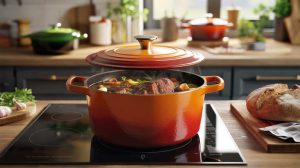
To combat this challenge, many buffets have implemented innovative waste management strategies, including the use of smart tracking systems to monitor consumption patterns and adjust replenishment rates accordingly. Additionally, they may explore opportunities for reusing or repurposing leftover ingredients, turning them into soups, casseroles, or other dishes that can be served at a later time.
By staying vigilant about waste and exploring creative reuse solutions, buffet operators can maximize the value of every ingredient, ensuring that their profitability remains intact even as diners indulge in the illusion of endless abundance.
Drinks and Time Limits: Where the Real Profit Comes From
While the all-you-can-eat buffet may seem like a straightforward model, the true sources of profitability often lie in the peripheral offerings and operational details. One such area is the sale of beverages, which can be a significant revenue stream for buffet operators.

Buffet establishments frequently charge a premium for soft drinks, alcoholic beverages, and even specialty coffee drinks, effectively offsetting the potential losses from the all-you-can-eat food offerings. Additionally, many buffets impose time limits on dining, encouraging diners to make the most of their allotted window and potentially return for additional meals.
These strategic decisions, coupled with the careful management of food costs and waste, allow all-you-can-eat buffets to maintain a healthy bottom line, even in the face of seemingly limitless consumption.
The Meaning of “Food Cost” in a Buffet
In the world of traditional restaurants, the concept of “food cost” is relatively straightforward – it’s the cost of the raw ingredients that go into each dish. But in the buffet model, this metric takes on a different meaning, as the focus shifts from individual plate costs to the overall cost of maintaining the entire spread.

Buffet operators must carefully track and manage their food costs, factoring in not just the wholesale prices of their ingredients, but also the costs associated with waste, spoilage, and replenishment. This holistic approach to cost management allows them to maintain profitability even as diners load up their plates to the brim.
By understanding the nuances of food cost in a buffet setting, these establishments can make informed decisions about menu planning, portion control, and inventory management, ensuring that their all-you-can-eat offering remains a sustainable and profitable business model.
How do all-you-can-eat buffets keep costs low?
All-you-can-eat buffets keep costs low through a combination of strategies, including bulk purchasing, minimizing labor costs with self-service and automation, careful waste management, and leveraging revenue streams like beverages and time limits.
Why do buffet diners often eat less than they expect?
The psychology of fullness plays a significant role, as visual cues, portion sizes, and the abundance of options can influence our perception of hunger and satiety, leading us to consume less than we anticipate.
How do buffets manage food waste and leftovers?
Buffet operators use smart tracking systems to monitor consumption patterns and adjust replenishment rates. They also explore opportunities for reusing or repurposing leftover ingredients in soups, casseroles, and other dishes.
What are the hidden revenue streams for buffet restaurants?
Beverages, especially soft drinks and alcoholic beverages, can be a significant revenue stream for buffet operators. They also often impose time limits on dining, encouraging diners to make the most of their allotted window and potentially return for additional meals.
How do buffet food costs differ from traditional restaurant costs?
In a buffet, the focus is on the overall cost of maintaining the entire spread, rather than the individual plate costs. Buffet operators must factor in costs associated with waste, spoilage, and replenishment to manage their food costs effectively.
What strategies do buffets use to control the flow of traffic and influence customer choices?
Buffet operators carefully design the layout and flow of the buffet line, positioning the most enticing items at the start and using strategic aisle widths to encourage a steady flow of traffic and discourage loitering.
How do buffets leverage their buying power to keep prices low?
Buffet establishments can negotiate lower wholesale prices for food and supplies by purchasing in bulk, allowing them to cut costs and maintain a perception of value for their customers.
What role does automation and self-service play in buffet operations?
Buffets are increasingly adopting automated systems and self-service options, such as robotic food preparation and self-cleaning stations, to minimize labor costs and maintain efficiency, while still providing a positive customer experience.