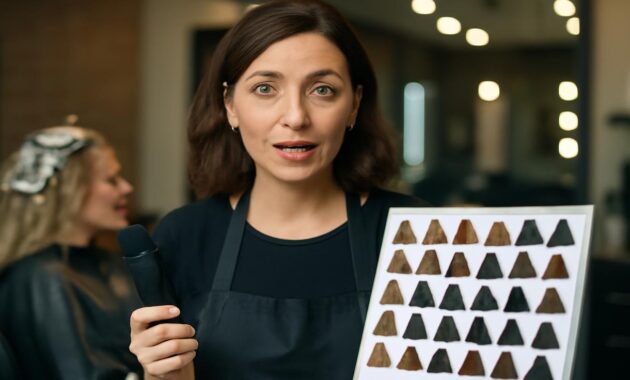
As a professional hairdresser with over two decades of experience, I’ve had the privilege of working with countless women in their 50s who are passionate about maintaining their hair color. Over the years, I’ve learned that there’s no one-size-fits-all approach when it comes to helping these clients look and feel their best. Each individual has unique hair types, color goals, and personal preferences, which is why I strive to provide tailored advice that empowers them to make informed decisions about their hair.
One of the most common challenges I encounter is the temptation to chase the latest hair color trends, which can often lead to a disconnect between a client’s desired look and their actual hair type and texture. Instead, I encourage my 50-something clients to embrace their natural hair characteristics and find ways to enhance them, rather than fighting against them.
In my experience, the key to helping women in their 50s achieve gorgeous, age-appropriate hair color lies in striking a delicate balance between maintaining vibrancy and embracing the subtle nuances that come with maturity. It’s a journey that requires patience, an open mind, and a willingness to experiment, but the results can be truly transformative.

Beware of the “Box Color Trap” (Your Hair Is Not a DIY Project)
One of the most common mistakes I see women in their 50s make is reaching for the box color at the drugstore, thinking they can save time and money by coloring their hair at home. While this approach may seem tempting, it often leads to disastrous results that can be extremely difficult to fix.
The problem with box color is that it’s a one-size-fits-all solution, and it doesn’t take into account the unique characteristics of each individual’s hair. The formulas are often too harsh and can cause dryness, breakage, and an unnatural, uneven appearance. Plus, it’s nearly impossible to achieve the same level of precision and blending that a professional colorist can provide.
Instead, I encourage my clients to invest in professional hair color services, even if it means coming in a bit more frequently. The long-term benefits of having a skilled colorist carefully select and apply the perfect shade for your hair type and skin tone far outweigh the initial cost.

Softness Over Saturation: Why “Gentle” Color Ages You Better
As we age, our hair often becomes more fragile and prone to dryness, which is why I recommend that my 50-something clients opt for gentle, low-maintenance color services that prioritize condition and luminosity over intense, saturated hues.
While vibrant, bold colors may be tempting, they can often be too harsh on mature hair and can accentuate the appearance of fine lines and wrinkles. Instead, I suggest focusing on soft, natural-looking shades that blend seamlessly with your existing color and complement your skin tone.
By using gentle, ammonia-free formulas and techniques like balayage or babylights, we can create a beautiful, multidimensional color that enhances your natural beauty without compromising the health and integrity of your hair.

Your 50s Haircare Routine Should Be Closer to Skincare
As we age, our hair’s needs change, and it’s important to adapt our haircare routines accordingly. For women in their 50s, I recommend shifting the focus from simply maintaining color to a more holistic approach that prioritizes the overall health and condition of the hair.
Just like our skin, our hair becomes more delicate and prone to dryness as we get older. That’s why I advise my clients to incorporate hydrating, nourishing products into their daily regimen, such as deep conditioning treatments, hair masks, and leave-in conditioners.
By treating our hair with the same level of care and attention that we give to our skin, we can help to preserve its youthful vitality and ensure that our color looks its absolute best, even as we navigate the natural changes that come with age.

Own the “Why” Behind Your Color (Not Just the “How”)
When it comes to hair color, it’s not just about the end result – it’s also about the journey. I find that my 50-something clients are often the most thoughtful and intentional when it comes to their color choices, and I encourage them to really explore the “why” behind their desired look.
Is the goal to cover grays and maintain a youthful appearance? Or perhaps it’s to embrace the natural progression of their hair color and find a way to enhance it? Whatever the motivation, I believe it’s important for women in their 50s to understand the reasoning behind their color decisions, as this can help them make more informed choices and feel more empowered throughout the process.
By taking the time to reflect on their personal style, skin tone, and desired aesthetic, my clients are better equipped to collaborate with me in creating a color plan that truly aligns with their unique needs and preferences.

Start Thinking in Seasons, Not Just Appointments
One of the biggest misconceptions I encounter with my 50-something clients is the idea that hair color is a one-and-done solution. In reality, maintaining vibrant, healthy-looking hair color is an ongoing process that requires a more holistic, seasonal approach.
Just as we adjust our wardrobes and skincare routines to reflect the changing seasons, I encourage my clients to think about their hair color in a similar way. This might mean incorporating warmer, richer tones in the fall and winter, and transitioning to cooler, lighter shades in the spring and summer.
By embracing this seasonal mindset, my clients are able to keep their hair color looking fresh and on-trend, while also ensuring that it flatters their complexion and complements their overall style throughout the year.

| Seasonal Hair Color Trends for Women in Their 50s | Ideal Timing |
|---|---|
| Warm, rich brunette or auburn shades | Fall and Winter |
| Soft, natural-looking highlights or balayage | Spring and Summer |
| Subtle, face-framing lowlights | Year-round |
“The key to maintaining gorgeous hair color in your 50s is to think of it as an ongoing journey, not a one-time fix. By embracing a seasonal approach and collaborating closely with your colorist, you can keep your look fresh, flattering, and true to your personal style.”
– Sarah Johnson, Hair Color Specialist
Aging gracefully with your hair color is all about finding the right balance between embracing your natural hues and enhancing them in a way that makes you feel confident and beautiful. It’s a process that requires patience, an open mind, and a willingness to experiment, but the rewards are truly priceless.

FAQs: Real Questions I Hear from Women in Their 50s
How often should I be getting my hair colored?
The frequency of your color appointments will depend on a few factors, including your natural hair color, the type of color service you get, and how quickly your roots grow out. As a general rule, I recommend that my 50-something clients come in every 6-8 weeks to maintain their color and keep their look polished and fresh.
I’m starting to see more grays. How can I cover them without looking “fake”?
Covering grays doesn’t have to mean a dramatic, one-dimensional color. Instead, I suggest opting for a soft, multidimensional shade that blends seamlessly with your existing color. This can be achieved through techniques like balayage or babylights, which create a natural, grown-out look that’s flattering and age-appropriate.
My hair feels so dry and brittle these days. What can I do to revive it?
As we age, our hair often becomes more fragile and prone to dryness. That’s why I recommend incorporating nourishing, hydrating products into your haircare routine, such as deep conditioning treatments, hair masks, and leave-in conditioners. These can help to restore moisture, improve texture, and keep your color looking vibrant and healthy.

I’m worried about my color looking “old-fashioned.” How can I keep it modern?
The key to keeping your color looking modern and on-trend is to embrace subtle, natural-looking techniques like balayage, babylights, or soft, face-framing highlights. These approaches create a beautifully blended, dimensional look that avoids the harsh, one-dimensional appearance of traditional all-over color.
Should I be using a different shampoo and conditioner now that I’m in my 50s?
Absolutely. As we age, our hair’s needs change, and it’s important to adjust our haircare routines accordingly. I recommend looking for shampoos and conditioners that are specifically formulated for mature hair, with ingredients that nourish, hydrate, and protect against damage.
How can I make my color last longer between appointments?
There are a few key things you can do to extend the life of your color between salon visits. First, be sure to use a sulfate-free shampoo and limit your washing to 2-3 times per week. Also, consider using a color-protecting treatment or gloss to help seal in the pigment. Finally, avoid excessive heat styling, which can cause fading and damage.
I’m ready to embrace my natural gray, but I’m not sure where to start. Any advice?
Transitioning to gray can be a big step, but it can also be a beautifully empowering process. I suggest starting with a soft, blended approach, using highlights or lowlights to gradually blend your grays into your existing color. This can help create a seamless, natural-looking grow-out process. Additionally, consider incorporating silvery, ash-toned shades to complement your emerging grays.
How can I make my hair color look more youthful and vibrant?
The key to a youthful, vibrant hair color in your 50s is to focus on soft, natural-looking techniques that enhance your complexion and facial features. I recommend trying soft, face-framing highlights or a balayage application, which can create a beautiful, multidimensional look that blends seamlessly with your natural color. Avoiding harsh, one-dimensional shades and embracing gentle, hydrating formulas can also help to keep your color looking fresh and youthful.