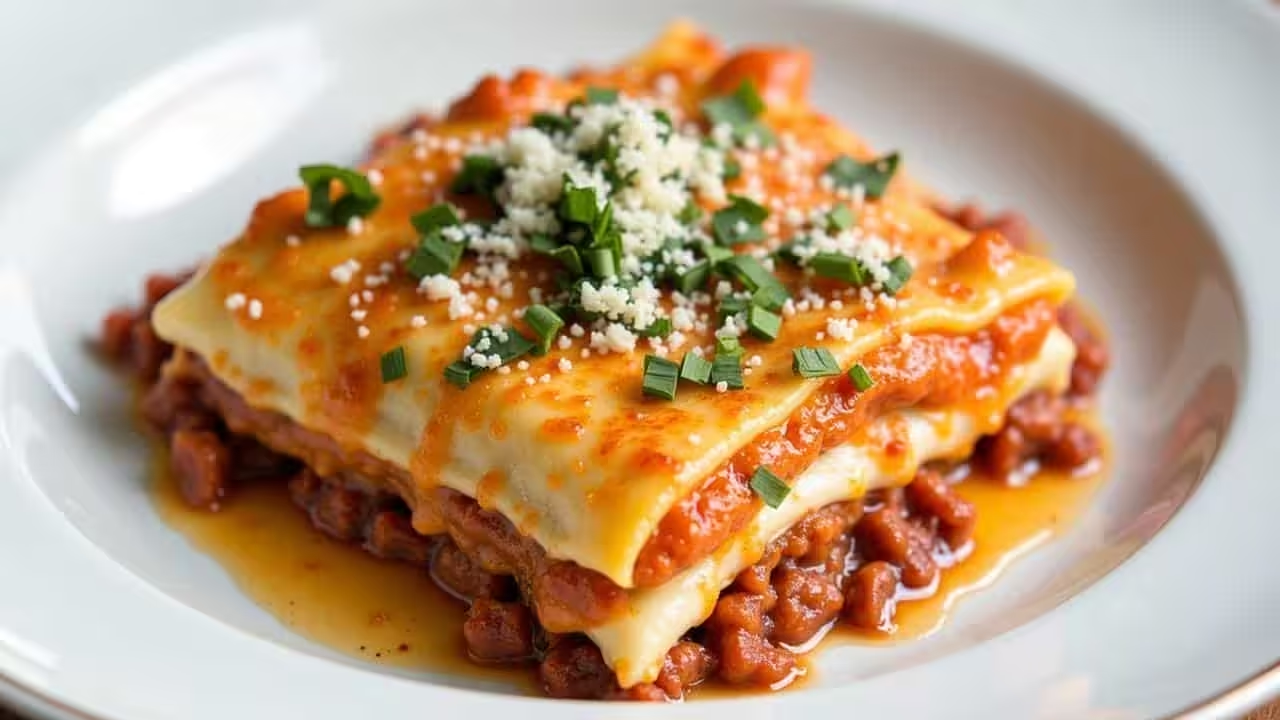
In the realm of Italian cuisine, the classic bolognese sauce has long reigned supreme. But a new culinary rebel is quietly making its way onto the scene – the “white bolognese.” This pale, velvety creation is turning tradition on its head, offering a delightful alternative to the traditional red ragù. Home cooks are embracing this sauce, finding that it lends a meltingly soft texture to their beloved lasagne.
The appeal of the white bolognese lies in its ability to create a delicate, creamy base that complements the layers of pasta and cheese without overwhelming them. It’s a sauce that allows the other flavors to shine, creating a harmonious balance on the plate.
So what exactly sets this white bolognese apart from its more vibrant cousin? Let’s dive in and explore the secrets behind this modern twist on a timeless classic.

What exactly is a white bolognese?
At its core, a white bolognese is a meat-based sauce, just like the traditional version. However, the key difference lies in the absence of tomato. Instead of the rich, red hue that comes from the inclusion of tomato passata, the white bolognese boasts a pale, creamy color.
The sauce is typically made by simmering a blend of ground meats, such as beef and pork, in a mixture of milk or cream, along with aromatic vegetables like onions, carrots, and celery. The lack of tomatoes allows the natural sweetness of the meat and the richness of the dairy to take center stage.
This subtle shift in ingredients creates a sauce that is more delicate in flavor, with a velvety texture that melts effortlessly into the layers of lasagne or other pasta dishes.
How to make a simple white bolognese at home
Creating a white bolognese at home is a straightforward process that allows for a great deal of experimentation. Start by sautéing finely chopped onions, carrots, and celery in a generous amount of butter or olive oil. Once the vegetables are softened, add in the ground meat and brown it until it’s cooked through.
Next, pour in a generous splash of milk or heavy cream and let the sauce simmer gently, allowing the flavors to meld together. Season with salt, pepper, and a pinch of nutmeg to enhance the creaminess. Some cooks also like to add a touch of Parmesan cheese or a splash of white wine for added depth of flavor.
The key to a successful white bolognese is patience and a light touch. Let the sauce simmer low and slow, allowing the flavors to develop and the texture to become velvety smooth. This gentle approach ensures that the sauce doesn’t curdle or separate, resulting in a luscious, creamy consistency.

Turning white bolognese into melting lasagne
The true magic of the white bolognese shines when it’s used to create a truly decadent lasagne. The pale, creamy sauce provides the perfect foil for the layers of pasta, cheese, and béchamel, resulting in a dish that is both comforting and sophisticated.
To assemble the lasagne, start by creating a base of the white bolognese. Spread a generous layer of the sauce across the bottom of a baking dish, then top it with sheets of fresh or no-boil lasagne noodles. Continue to alternate layers of the white bolognese, noodles, and grated mozzarella or Parmesan cheese, finishing with a final layer of the creamy sauce.
Bake the lasagne in a preheated oven until the top is golden and bubbly, and the edges are crisp and caramelized. The result is a dish that is truly meltingly soft, with the white bolognese sauce infusing every bite with its rich, velvety goodness.

Not just for lasagne
While the white bolognese shines in lasagne, it’s by no means limited to that classic dish. This versatile sauce can be used in a variety of pasta preparations, from simple spaghetti to stuffed shells or even as a topping for gnocchi.
Some home cooks have even experimented with using the white bolognese as a base for pizza, creating a creamy, decadent alternative to the traditional tomato sauce. The possibilities are endless, and the gentle flavor of the white bolognese lends itself well to a wide range of culinary creations.
Whether you’re looking to put a new spin on a family favorite or simply want to try something different, the white bolognese is a delightful option that deserves a place in your culinary repertoire.

Why this sauce feels so comforting
The appeal of the white bolognese goes beyond its unique flavor profile. There’s a certain comfort and nostalgia that comes with this sauce, a quality that connects it to the rich traditions of Italian home cooking.
The creamy, velvety texture of the white bolognese evokes memories of slow-simmered sauces that have been passed down through generations. It’s a sauce that invites you to slow down, savor each bite, and appreciate the care and attention that goes into its preparation.
Moreover, the absence of tomato allows the natural sweetness of the meat and the richness of the dairy to take center stage, creating a flavor that is both familiar and unexpected. It’s a sauce that feels both comforting and indulgent, making it the perfect choice for cozy, soul-warming meals.

Tips, explanations and small risks to watch
While the white bolognese may seem like a straightforward alternative to the classic version, there are a few key considerations to keep in mind when preparing this sauce.
First and foremost, it’s important to use high-quality, fresh ingredients. The absence of tomato means that the flavors of the meat and dairy will be the stars of the show, so it’s crucial to source the best possible products. Consider using a mix of ground beef and pork for a more complex flavor profile.
Additionally, patience is key when simmering the white bolognese. The slow, gentle cooking process is essential for developing the velvety texture and allowing the flavors to meld together. Be wary of cooking the sauce too quickly, as this can lead to curdling or a grainy texture.

Finally, it’s worth noting that the white bolognese may not be suitable for those with lactose intolerance or dairy allergies, as the sauce relies heavily on milk or cream. For those with dietary restrictions, consider using a dairy-free alternative, such as cashew cream or coconut milk, to achieve a similar creamy texture.
| Ingredient | Quantity |
|---|---|
| Ground beef | 1 lb |
| Ground pork | 1 lb |
| Onion, finely chopped | 1 medium |
| Carrot, finely chopped | 1 medium |
| Celery, finely chopped | 2 stalks |
| Butter or olive oil | 2 tbsp |
| Milk or heavy cream | 1 cup |
| Salt and pepper | to taste |
| Nutmeg | 1/4 tsp |
| Parmesan cheese (optional) | 1/4 cup |
| Lasagne Layering | Ingredients |
|---|---|
| Bottom Layer | White Bolognese Sauce |
| First Layer | Lasagne noodles |
| Second Layer | White Bolognese Sauce, Mozzarella/Parmesan cheese |
| Third Layer | Lasagne noodles |
| Fourth Layer | White Bolognese Sauce, Mozzarella/Parmesan cheese |
| Top Layer | White Bolognese Sauce |
“The white bolognese is a delightful departure from the traditional red ragù, offering a more delicate and creamy flavor profile that pairs beautifully with the layers of pasta and cheese in lasagne.”
– Maria Giordano, Culinary Historian

“What I love about the white bolognese is its ability to let the natural sweetness of the meat and the richness of the dairy shine. It creates a sauce that is both comforting and indulgent, making it the perfect choice for cozy family meals.”
– Chef Luca Manfé, Owner of Trattoria Della Nonna
“The key to a successful white bolognese is patience and a light touch. The gentle cooking process is essential for developing the velvety texture and allowing the flavors to meld together seamlessly.”
– Francesca Rossi, Food Scientist and Recipe Developer
The white bolognese may not be the traditional choice, but it’s a delightful and unexpected twist on a classic dish. Whether you’re looking to try something new or simply want to indulge in a comforting, creamy sauce, this rebel of the ragù world is worth exploring.
So, the next time you’re in the mood for lasagne, consider leaving the tomato sauce behind and embracing the pale, velvety goodness of the white bolognese. Your taste buds will thank you.
What is the difference between traditional bolognese and white bolognese?
The main difference lies in the absence of tomatoes in the white bolognese. While traditional bolognese is made with a base of tomato passata, the white version relies on a blend of milk or cream to create a pale, velvety sauce.
Can I use white bolognese in other pasta dishes besides lasagne?
Absolutely! The white bolognese can be used in a variety of pasta preparations, from simple spaghetti to stuffed shells or even as a topping for gnocchi. It’s a versatile sauce that can be enjoyed in many different ways.
Is white bolognese suitable for those with lactose intolerance or dairy allergies?
Not necessarily. The white bolognese relies heavily on milk or cream, which may not be suitable for those with lactose intolerance or dairy allergies. However, you can try using dairy-free alternatives like cashew cream or coconut milk to achieve a similar creamy texture.
How long does it take to make white bolognese?
The key to a successful white bolognese is patience and a gentle cooking process. The sauce should be simmered low and slow, typically for 1-2 hours, to allow the flavors to meld together and the texture to become velvety smooth.
Can I make white bolognese in advance?
Yes, you can make the white bolognese sauce in advance and store it in the refrigerator for up to 5 days or in the freezer for several months. This can be a great time-saver when it comes to assembling lasagne or other pasta dishes.
What is the best way to reheat white bolognese?
To reheat white bolognese, gently warm it over low heat, stirring occasionally, until it’s heated through. Avoid bringing it to a rapid boil, as this can cause the sauce to separate or curdle. You can also add a splash of milk or cream to help reconstitute the sauce if it’s thickened up too much during storage.
Can I add any additional ingredients to white bolognese?
Absolutely! While the basic recipe is delicious on its own, you can experiment with adding a touch of Parmesan cheese, a splash of white wine, or a pinch of nutmeg to enhance the flavors. Just be sure to adjust the seasoning accordingly.
How can I tell if my white bolognese is done?
The white bolognese is done when the sauce has a smooth, velvety texture and the flavors have melded together harmoniously. The meat should be tender and the overall consistency should be creamy and luscious. Taste and adjust the seasoning as needed before assembling your lasagne or other pasta dish.