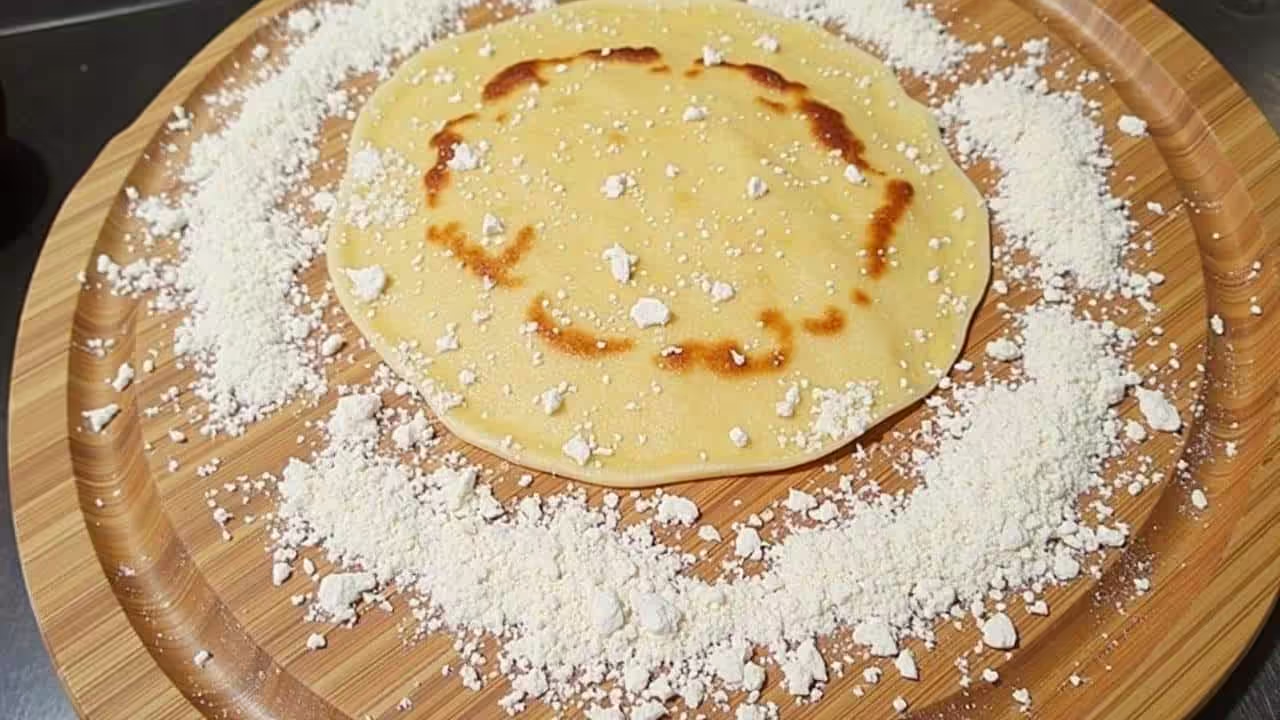
In the heart of the Mediterranean, on the rugged island of Corsica, a culinary tradition defies the norms of the crêpe world. While Parisians indulge in delicate crêpes and Bretons savor their iconic buckwheat galettes, the Corsicans have quietly preserved their own rustic version of the humble pancake, using an ingredient that might surprise many – chestnut flour.
This unique take on the classic crêpe, known as “nicci,” is a testament to the island’s deep-rooted culinary heritage and its unwavering commitment to local ingredients. Stepping away from the wheat and buckwheat that dominate the crêpe landscape elsewhere, the Corsicans have embraced the earthy, nutty flavor of chestnut flour, creating a distinctly Corsican experience for those who seek it out.
Beneath the surface of this culinary tradition lies a story of resilience, adaptation, and the preservation of a way of life that has endured for generations. Join us as we delve into the world of Corsican crêpes, uncovering the secrets behind this unique and captivating gastronomic treasure.

Chestnut Flour: The Heart of Corsican Crêpes
Chestnut flour, a staple ingredient in Corsican cuisine, is the foundation upon which the nicci, or Corsican crêpe, is built. This versatile flour is derived from the island’s abundant chestnut trees, which thrive in the rugged, mountainous terrain. Unlike the delicate wheat or hearty buckwheat used elsewhere, chestnut flour lends a distinctive earthy and nutty flavor to the crêpes.
The process of producing chestnut flour is a laborious one, requiring the careful harvesting, drying, and grinding of the chestnuts. This attention to detail ensures that the final product retains the rich, complex flavors that are so integral to the Corsican culinary identity.
As Corsicans have adapted to the island’s limited arable land, chestnut flour has become a cornerstone of their cuisine, used in a variety of traditional dishes beyond the nicci. From hearty breads and pastries to savory stews and stuffings, the influence of this unique ingredient can be found throughout the Corsican gastronomic landscape.

The Nicci Recipe: Crafting Corsican Crêpes
The recipe for Corsican nicci crêpes is a closely guarded tradition, passed down through generations of Corsican families. Unlike the thin, delicate crêpes of France or the heartier buckwheat galettes of Brittany, the nicci is a distinctly rustic and substantial pancake, reflecting the island’s rugged terrain and the resourcefulness of its people.
The key to the nicci’s unique texture and flavor lies in the ratio of chestnut flour to water, as well as the cooking method. Traditionally, the batter is prepared with a blend of chestnut flour and water, often seasoned with a pinch of salt to balance the natural sweetness of the chestnuts.
The crêpes are then cooked on a cast-iron skillet or griddle, with the chef carefully monitoring the temperature and timing to achieve the perfect golden-brown hue and crispy edges. This meticulous attention to detail ensures that each nicci is a masterpiece in its own right, a testament to the skill and pride of Corsican crêpe-makers.

Sweet or Savory: The Versatility of Nicci
Corsicans have long embraced the versatility of the nicci, using it as a canvas for both sweet and savory fillings. In the traditional sweet preparation, the nicci is often served with a drizzle of local honey, a sprinkle of sugar, or a dollop of jam made from the island’s abundant fruit.
For the savory palate, the nicci can be filled with a variety of local ingredients, such as cured meats, cheeses, or even wild greens and mushrooms. This adaptability allows the nicci to be enjoyed as a satisfying breakfast, a hearty lunch, or a comforting dinner, reflecting the diverse culinary traditions of the island.
Beyond its role as a vessel for delicious fillings, the nicci also serves as a unifying element in Corsican culture. Shared meals around the table, with family and friends passing plates of steaming hot nicci back and forth, are a cherished tradition that strengthens the bonds of the island’s close-knit communities.

The Appeal of Nicci Beyond Corsica
As the world continues to explore and embrace diverse culinary traditions, the nicci has begun to garner attention beyond the shores of Corsica. Chefs and food enthusiasts, drawn to the unique flavor and texture of the chestnut flour crêpe, have started to experiment with the nicci recipe, introducing it to new audiences and expanding the reach of this Corsican culinary gem.
The appeal of the nicci lies not only in its distinctive taste but also in its connection to the island’s rich cultural heritage. By embracing the nicci, diners are offered a window into the resilience and ingenuity of the Corsican people, who have adapted to their environment and preserved their culinary traditions in the face of changing times.
As the nicci gains exposure on the global stage, it serves as a gateway to a deeper understanding and appreciation of Corsican food culture, encouraging travelers and food lovers alike to explore the island’s other gastronomic treasures, from the robust red wines to the fragrant, herb-infused dishes that define the Corsican table.

Bringing the Nicci Home
For those captivated by the allure of the Corsican nicci, the good news is that the recipe can be easily adapted for the home kitchen. While finding the elusive chestnut flour may present a challenge outside of Corsica, enterprising cooks can seek out specialty food shops or online retailers to source this unique ingredient.
Once the chestnut flour is secured, the process of crafting the nicci is relatively straightforward. The key is to strike the right balance between the nutty chestnut flavor and the desired texture, which can be achieved through experimentation with the flour-to-water ratio and the cooking technique.
By bringing the nicci into their own kitchens, home cooks can not only savor the delicious flavors of this Corsican delicacy but also connect with the rich cultural heritage that it represents. Whether served as a sweet treat or a savory meal, the nicci has the power to transport diners to the rugged beauty of the island, one bite at a time.

Beyond the Nicci: Exploring Corsican Culinary Traditions
The nicci, with its unique chestnut flour base, is just the tip of the iceberg when it comes to the culinary traditions of Corsica. The island’s remote location and challenging terrain have fostered a rich and diverse food culture, one that is deeply rooted in the island’s natural bounty and the ingenuity of its people.
From the robust, full-bodied red wines that thrive in the island’s mountainous vineyards to the fragrant, herb-infused dishes that capture the essence of the Corsican landscape, the gastronomic riches of this Mediterranean gem extend far beyond the beloved nicci crêpe.
By delving into the world of Corsican cuisine, food enthusiasts and travelers alike can uncover a tapestry of flavors and traditions that reflect the island’s unique history and identity. Whether it’s savoring the smoky, earthy flavors of the island’s charcuterie or discovering the hidden gems of the local farmers’ markets, the culinary journey through Corsica promises to be a truly immersive and rewarding experience.

Frequently Asked Questions
What is chestnut flour, and how is it different from other types of flour?
Chestnut flour is a versatile ingredient made from ground, dried chestnuts. It has a distinctive earthy, nutty flavor and a slightly coarser texture compared to wheat or buckwheat flour. Chestnut flour is a staple in Corsican cuisine, used in a variety of traditional dishes, including the iconic nicci crêpes.
How do Corsicans traditionally prepare the nicci crêpes?
The traditional Corsican nicci crêpe recipe involves a blend of chestnut flour and water, sometimes seasoned with a pinch of salt. The batter is cooked on a cast-iron skillet or griddle, with the chef carefully monitoring the temperature and timing to achieve the perfect golden-brown hue and crispy edges.
Can the nicci crêpe be enjoyed both sweet and savory?
Yes, the versatility of the nicci crêpe allows it to be enjoyed in both sweet and savory preparations. Traditionally, sweet nicci can be served with a drizzle of local honey, a sprinkle of sugar, or a dollop of fruit jam. For savory options, the nicci can be filled with cured meats, cheeses, wild greens, or other local ingredients.

How can I find chestnut flour and try making nicci crêpes at home?
While chestnut flour may not be readily available in all regions, you can often find it in specialty food shops or online retailers that cater to unique culinary ingredients. When making nicci crêpes at home, the key is to experiment with the flour-to-water ratio to achieve the desired texture and flavor profile.
What other Corsican culinary traditions are worth exploring?
Beyond the iconic nicci crêpes, Corsica’s culinary landscape is rich with a variety of other gastronomic treasures, from robust red wines and fragrant, herb-infused dishes to traditional charcuterie and locally sourced produce. Exploring the island’s diverse food culture can provide a deeper understanding and appreciation of Corsican identity and heritage.
Is the nicci crêpe unique to Corsica, or can it be found in other regions?
The nicci crêpe, with its distinctive chestnut flour base, is a unique and integral part of Corsican culinary tradition. While similar chestnut flour-based pancakes may be found in other regions, the nicci is a distinctly Corsican interpretation, reflecting the island’s rich cultural heritage and the resourcefulness of its people.
How can I learn more about Corsican food culture and traditions?
Exploring Corsican cuisine is a gateway to understanding the island’s rich cultural heritage. Seeking out local cookbooks, food blogs, and culinary tours can provide deeper insights into the unique ingredients, cooking techniques, and traditions that define the Corsican gastronomic landscape.
Are there any noteworthy Corsican chefs or food producers I should look out for?
Corsica has a growing community of passionate chefs, artisanal producers, and food enthusiasts who are championing the island’s culinary traditions. Some notable names to watch out for include local artisanal cheesemakers, winemakers, and chefs who are showcasing the best of Corsican ingredients and recipes.