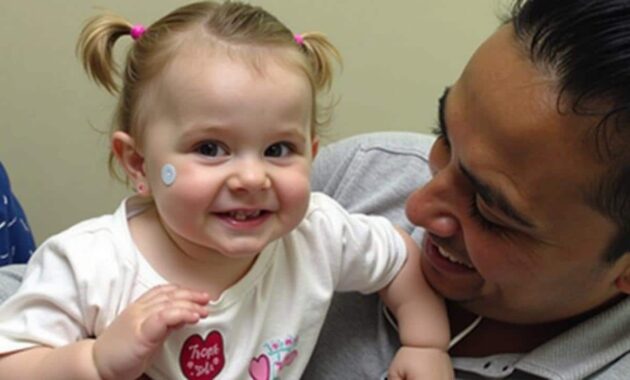
In the quiet halls of Blackberry Creek Elementary School in Schaumburg, Illinois, a family’s private struggle for their daughter’s health has spilled into a public legal battle. The Surin family, led by parents Maureen and Jim, are fighting to preserve their 12-year-old daughter Ashley’s access to a medical marijuana patch that helps control her life-threatening seizures.
The Surins’ fight has become a microcosm of the larger debate surrounding the use of medical cannabis, particularly when it comes to children. Their story shines a light on the complex legal and ethical quandaries that families can face when seeking alternative treatments for their loved ones.
As the Surins navigate the uncertain terrain of medical marijuana laws and school policies, their journey has become a rallying cry for other families seeking compassionate care for their children.

A Mother’s Plea: Keeping Ashley’s Lifeline
Maureen Surin clutches a small, discreet medical patch as she recounts the harrowing journey that led her family to this moment. This patch, infused with a low dose of cannabidiol (CBD), has become a vital lifeline for her daughter Ashley, who suffers from a rare and severe form of epilepsy.
For years, the Surins have watched helplessly as Ashley’s seizures have grown more frequent and intense, despite trying numerous pharmaceutical medications. The side effects of these drugs have been debilitating, leaving Ashley lethargic and unable to fully participate in her schoolwork and extracurricular activities.
But the medical marijuana patch has been a game-changer, Maureen says. It has dramatically reduced the frequency and severity of Ashley’s seizures, allowing her to lead a more active and fulfilling life. “This patch has given us our daughter back,” Maureen says, her voice brimming with gratitude and determination.

A Collision Course with School Policy
The Surins’ joy, however, was short-lived. When Ashley returned to Blackberry Creek Elementary for the new school year, they were informed that she would no longer be allowed to wear the medical marijuana patch on school grounds. The school’s policy, which aligned with federal guidelines, prohibited the possession and use of any controlled substances, including medical marijuana, on campus.
For the Surins, this was an unacceptable ultimatum. Removing Ashley’s patch would mean exposing her to the risk of debilitating seizures, potentially endangering her health and well-being. “It’s not like she’s using it to get high,” Maureen says. “This is her medicine, and it’s keeping her safe and healthy.”
Faced with the prospect of their daughter being forced to choose between her education and her health, the Surins decided to take a stand. They launched a legal challenge against the school district, arguing that the policy violated Ashley’s rights under the Individuals with Disabilities Education Act (IDEA) and the Americans with Disabilities Act (ADA).

A Clash of Policies and Priorities
The Surins’ case has highlighted the complex and often conflicting policies that govern the use of medical marijuana, particularly in the context of schools and children. While Illinois has legalized the use of medical cannabis, federal law still classifies it as a controlled substance, creating a legal gray area that has left many families in a precarious position.
School districts, caught between the competing priorities of student safety, federal regulations, and the evolving landscape of medical marijuana, have often erred on the side of caution, imposing strict bans on the possession and use of cannabis-derived products on campus.
For the Surins, this rigid adherence to policy has come at a heavy cost. They argue that the school’s unwillingness to accommodate Ashley’s medical needs is a violation of her fundamental rights and a denial of her access to a free and appropriate public education.

A Watershed Moment for Medical Marijuana and Children
The Surins’ fight has become a rallying cry for other families facing similar challenges. Their story has shone a spotlight on the urgent need for clear and compassionate policies that prioritize the health and well-being of children like Ashley over outdated or inflexible regulations.
As the legal battle continues, the Surins remain steadfast in their determination to ensure that Ashley can continue to receive the care she needs, both at school and at home. Their fight has galvanized a growing movement of advocates, healthcare professionals, and policymakers who recognize the potential of medical marijuana to improve the lives of children with debilitating conditions.
The outcome of the Surins’ case could have far-reaching implications, not only for Ashley but for countless other families navigating the complex and often confusing landscape of medical cannabis and children’s rights. It is a battle that speaks to the heart of the ongoing struggle for compassionate, evidence-based policymaking and the fundamental right of all children to access the care they need to thrive.

Experts Weigh In: The Case for Medical Marijuana and Children
“The use of medical marijuana for children with severe, treatment-resistant conditions is an area that deserves careful consideration and evidence-based policymaking. We must find a way to balance the legitimate concerns of schools and federal regulations with the very real needs of these children and their families.”
– Dr. Sarah Raskin, pediatric neurologist and epilepsy specialist
“Cannabidiol (CBD), the non-psychoactive compound in cannabis, has shown tremendous promise in the treatment of childhood epilepsy and other neurological disorders. When used responsibly and under medical supervision, it can significantly improve the quality of life for these children and their families.”
– Dr. Michael Cummings, director of the Center for Medicinal Cannabis Research

“The Individuals with Disabilities Education Act and the Americans with Disabilities Act were put in place to protect the rights of children like Ashley Surin. Schools have a legal and moral obligation to accommodate the medical needs of their students, even if that means making reasonable exceptions to existing policies.”
– Sarah Fitzgerald, education policy expert and advocate

As the Surins’ case continues to unfold, it serves as a powerful reminder of the importance of empathy, flexibility, and a willingness to challenge the status quo in the pursuit of better outcomes for children. Their fight is not just for Ashley, but for all families seeking the right to access the care and support their children need to thrive.
The Path Forward: Navigating the Evolving Landscape of Medical Marijuana and Children
The Surins’ battle has sparked a broader conversation about the need for clear and compassionate policies surrounding the use of medical marijuana, particularly when it comes to children. As more states legalize the use of cannabis for medicinal purposes, there is a growing recognition that the legal and regulatory frameworks must evolve to keep pace with the changing landscape.
For families like the Surins, this means advocating for greater flexibility and understanding from schools, lawmakers, and policymakers. It means pushing for the development of guidelines that prioritize the health and well-being of children over rigid adherence to outdated rules and regulations.

And it means continuing to share stories like Ashley’s, to raise awareness and build momentum for the changes that are so desperately needed. As the Surins’ fight continues, they remain hopeful that their journey will inspire other families to speak up, and that together, they can create a future where no child is forced to choose between their education and their health.
FAQs: Understanding the Surin Family’s Fight for Ashley’s Care
What is the Surin family’s legal battle about?
The Surin family is fighting to allow their 12-year-old daughter Ashley to wear a medical marijuana patch at school to control her severe seizures. The school district has banned the use of any controlled substances, including medical marijuana, on campus, which the Surins argue violates Ashley’s rights under federal disability laws.
What is the medical marijuana patch used for?
The patch is infused with a low dose of cannabidiol (CBD), a non-psychoactive compound found in cannabis. It has been effective in dramatically reducing the frequency and severity of Ashley’s seizures, which were not well-controlled by traditional pharmaceutical medications.
Why is the school district refusing to allow the patch?
The school district’s policy aligns with federal regulations that classify medical marijuana as a controlled substance. They are concerned about the legal implications of allowing the use of cannabis-derived products on campus, despite the fact that it is legal for medical use in Illinois.
What are the key legal arguments in the Surins’ case?
The Surins argue that the school district’s policy violates Ashley’s rights under the Individuals with Disabilities Education Act (IDEA) and the Americans with Disabilities Act (ADA), which require schools to accommodate the medical needs of students with disabilities.
How could the outcome of the Surins’ case impact other families?
The Surins’ case has become a rallying cry for families across the country who are seeking access to medical marijuana for their children with debilitating conditions. A favorable outcome could pave the way for more flexible and compassionate policies surrounding the use of cannabis-derived treatments in schools.
What are the broader implications for the medical use of marijuana, particularly for children?
The Surins’ fight has highlighted the need for clear and evidence-based policymaking when it comes to the use of medical marijuana, especially for vulnerable populations like children. It has sparked a larger conversation about balancing legitimate concerns with the potential benefits of cannabis-derived treatments.
How can people support the Surins and other families in similar situations?
Supporters can stay informed about the Surins’ case and similar issues, advocate for policy changes, and donate to organizations that provide legal and other support to families navigating the complexities of medical marijuana and children’s rights.
What is the current status of the Surins’ legal battle?
The Surins’ case is ongoing, with the family continuing to fight for Ashley’s right to use her medical marijuana patch at school. The outcome of their legal challenge could have far-reaching implications for families across the country facing similar situations.