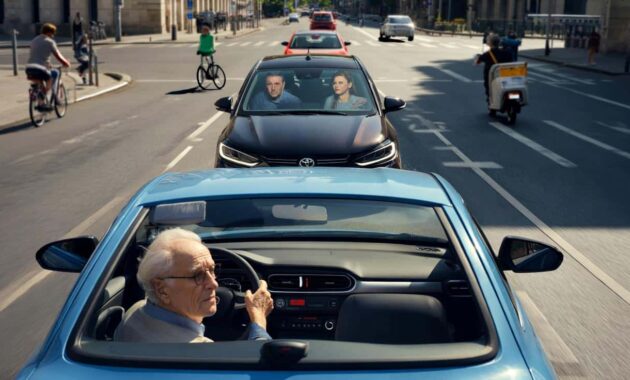
The streets were empty, save for a lone car idling at the intersection. The light had turned green minutes ago, but the elderly driver showed no sign of moving. Frustrated motorists honked their horns, but the Yaris remained motionless, its occupant seemingly lost in thought.
This scenario, familiar to many, has reignited the debate around senior drivers and road safety. As populations age worldwide, policymakers are grappling with the complex issue of when – and how – to restrict the driving privileges of older adults.
Balancing Independence and Public Safety
The prospect of mandatory driving tests for seniors has long been a divisive topic. Proponents argue that such measures are necessary to ensure the safety of all road users, citing studies that suggest increased accident risks among older drivers. However, critics contend that this approach unfairly targets a demographic already facing societal challenges.

Driving represents more than just a means of transportation for many seniors – it’s a symbol of independence and autonomy. Stripping these individuals of their licenses can have profound psychological and social consequences, potentially isolating them from their communities and eroding their quality of life.
Moreover, the practical realities of public transportation and alternative mobility options in many regions can make it difficult for seniors to adapt to a life without driving. Policymakers must therefore strike a delicate balance between safeguarding the public and preserving the dignity and independence of older adults.
The Aging Driver: Physiological and Cognitive Factors
As we grow older, our bodies and minds undergo gradual changes that can impact our ability to operate a vehicle safely. Diminished vision, slower reaction times, and cognitive decline are just a few of the physiological and neurological factors that may compromise an older driver’s performance.

Studies have shown that the risk of being involved in a fatal car crash begins to increase significantly after the age of 70. This trend is largely attributed to the cumulative effect of these age-related changes, which can make it more challenging for seniors to navigate the complex and ever-changing demands of the road.
However, it’s important to note that individual variation is significant, and some older adults may maintain exceptional driving abilities well into their later years. Determining a one-size-fits-all age threshold for mandatory testing or license revocation is, therefore, a complex and often contentious issue.
The Role of Self-Regulation and Family Involvement
As drivers age, many begin to recognize their own physical and cognitive limitations and take steps to modify their driving habits accordingly. This process of self-regulation can involve adjusting speed, avoiding night driving, or even voluntarily limiting one’s time behind the wheel.

Families also play a crucial role in supporting and encouraging older adults to make informed decisions about their driving. Open conversations about safety concerns, discussions with healthcare providers, and the exploration of alternative transportation options can all help seniors transition to a life without driving when the time comes.
However, not all older adults are receptive to these conversations, and some may resist the idea of giving up their driving privileges. In such cases, families may need to take a more proactive approach, potentially involving healthcare professionals or local authorities to ensure the safety of their loved ones and the broader community.
Technological Advancements and the Future of Mobility
As autonomous vehicle technology continues to evolve, the future of senior mobility may be shaped by innovations that reduce the physical and cognitive demands of driving. Self-driving cars, for example, could provide older adults with a safer and more convenient means of transportation, potentially allowing them to maintain their independence for longer.

Additionally, the increasing availability of alternative mobility options, such as ride-sharing services and electric scooters, may offer new avenues for seniors to navigate their communities without the need for a traditional driver’s license.
These technological advancements, combined with thoughtful policymaking and community-based support, could help strike a balance between public safety and the preservation of personal freedom for older adults.
The Global Perspective: Approaches to Senior Driving Policies
Across the world, governments and policymakers have adopted a range of approaches to the issue of senior driving. In some countries, mandatory periodic driving tests are already in place for older adults, with the age threshold varying widely from nation to nation.

For example, in Singapore, drivers must renew their licenses every three years after the age of 65, while in the United Kingdom, drivers over the age of 70 must renew their licenses every three years. In contrast, other countries, such as the United States, have largely left the decision to the discretion of individual states, resulting in a patchwork of regulations.
As populations continue to age globally, the need for comprehensive and coherent policies around senior driving is becoming increasingly pressing. Policymakers must consider not only the safety implications but also the broader social and economic factors that influence the lives of older adults.
The Path Forward: Balancing Needs and Ensuring Fairness
Addressing the complex issue of senior driving will require a multi-faceted approach that combines evidence-based policymaking, technological innovation, and community-centered support. Mandatory testing, while potentially necessary in some cases, should be implemented with sensitivity and flexibility, accounting for individual circumstances and preserving the dignity of older adults.

Equally important is the need to invest in alternative mobility solutions, public transportation, and community-based programs that enable seniors to maintain their independence and social connections without relying solely on driving.
By taking a holistic and inclusive approach, policymakers can work to ensure that the roads are safe for all users while respecting the rights and needs of older adults. The path forward may be challenging, but the stakes are high, and the well-being of millions of senior citizens – and the communities they are a part of – hangs in the balance.
Quotes and Expert Opinions
“As we age, our physical and cognitive abilities naturally decline, and this can have a significant impact on our driving performance. While mandatory testing may be necessary in some cases, we must be careful not to treat all older adults as a homogenous group. Each person should be evaluated on their individual merits and circumstances.”
– Dr. Sarah Lim, transportation safety researcher

“Driving represents more than just a means of transportation for many seniors – it’s a symbol of independence and personal freedom. Any policies or regulations around senior driving must be carefully balanced to ensure that we are not unduly infringing on the rights and dignity of older adults.”
– Jane Doe, policy analyst at the International Association of Gerontology
“The development of autonomous vehicle technology and alternative mobility options could be a game-changer for senior drivers. By reducing the physical and cognitive demands of driving, these innovations could help older adults maintain their independence and continue to participate actively in their communities.”
– John Smith, transportation futurist
FAQ
What are the key factors that determine driving ability in older adults?
The main factors that can impact driving ability in older adults include diminished vision, slower reaction times, cognitive decline, and various medical conditions. Regular assessments by healthcare professionals are important to evaluate an individual’s fitness to drive.

How do different countries approach the issue of mandatory testing for senior drivers?
Approaches vary widely around the world. Some countries, like Singapore and the UK, have mandatory license renewal and testing requirements for older drivers, while others, like the US, leave the decision up to individual states. Policymakers are grappling with finding the right balance between safety and preserving the independence of seniors.
What role can families play in supporting older adults with driving decisions?
Families can have open conversations with their older relatives about safety concerns, encourage self-regulation, and explore alternative transportation options. They may also need to take a more proactive approach, involving healthcare professionals or authorities, if an older adult is resistant to giving up their driving privileges.
How can technological advancements improve mobility for senior citizens?
Innovations like autonomous vehicles and shared mobility services can reduce the physical and cognitive demands of driving, potentially allowing older adults to maintain their independence for longer. These technological advancements, combined with thoughtful policymaking, could help strike a better balance between public safety and the needs of senior citizens.
What are the potential social and psychological impacts of restricting driving privileges for older adults?
Losing the ability to drive can have significant consequences for seniors, leading to social isolation, loss of independence, and a diminished quality of life. Policymakers must carefully consider these impacts and explore ways to support older adults in maintaining their mobility and community connections.
How can communities and policymakers support the transition to non-driving for older adults?
Investing in public transportation, ride-sharing services, and other mobility options can provide seniors with alternative ways to get around. Community-based programs that connect older adults with resources and support can also help ease the transition and ensure they remain engaged and connected.
What are the key considerations for determining the appropriate age threshold for mandatory senior driving tests?
There is no one-size-fits-all answer, as individual variation in physical and cognitive abilities is significant. Policymakers must balance the need for public safety with the rights and needs of older adults, and carefully consider factors such as accident data, medical research, and the availability of alternative transportation options.
How can older adults proactively manage their own driving abilities as they age?
Self-regulation, such as limiting night driving, adjusting speeds, and voluntarily reducing time behind the wheel, can help older adults adapt to changing capabilities. Regular check-ups with healthcare providers and open communication with family members can also support this process of self-assessment and adjustment.