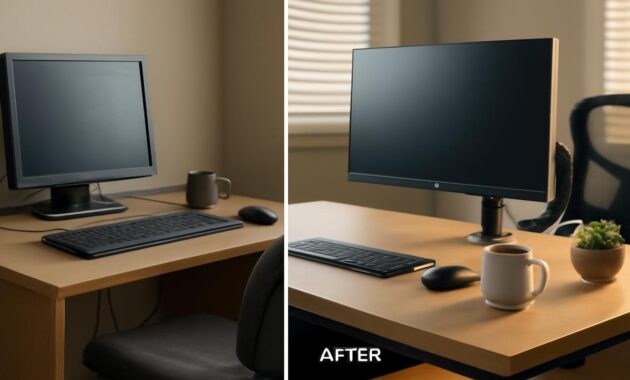
The morning routine is a sacred ritual for many of us. The gentle hiss of the espresso machine, the satisfying clink of the ceramic mug, and the muffled thump of a carefully curated delivery — these small moments can set the tone for the entire day. But what if these tiny indulgences are quietly adding up, reshaping our financial reality without us even noticing?
In the bustling world of personal finance, the concept of “lifestyle creep” has gained significant traction. This phenomenon describes the gradual increase in spending that often accompanies rising incomes, as we subtly adjust our expectations and baseline for comfort. And while the occasional latte or subscription service may seem insignificant on its own, the cumulative impact of these small upgrades can be surprisingly substantial.
The Latte Is Not the Enemy (But the Pattern Might Be)
Let’s start with the classic example: the daily coffee run. A $5 latte may not seem like much, but if you indulge in this habit every workday, the annual cost quickly adds up to over $1,200. While the occasional treat is understandable, the real danger lies in the pattern of mindless spending that can take root.

As financial analyst Sarah Rathner explains, “It’s not the latte itself that’s the problem, but the way it can become a mindless habit. When we start to see these small luxuries as a necessary part of our routine, that’s when the financial impact can really start to add up.”
The challenge is to maintain awareness and mindfulness around these purchases, ensuring they align with our broader financial goals and priorities. A simple adjustment, such as brewing coffee at home a few days a week, can make a significant difference in the long run.
How Comfort Creep Becomes Costly
The latte is just the tip of the iceberg when it comes to lifestyle upgrades. As our incomes rise, we often find ourselves subconsciously elevating our standards of living in subtle ways. A nicer apartment, a more reliable car, or upgraded electronics — these small changes can quickly become the new normal.

Economist Emily Gallagher explains, “We call this ‘comfort creep,’ and it’s a natural human tendency. As we earn more, we naturally want to enjoy the fruits of our labor. But if we’re not careful, these small upgrades can snowball into a much more expensive lifestyle that ultimately undermines our financial resilience.”
The key is to be intentional about our spending and to periodically re-evaluate whether our current lifestyle truly aligns with our long-term goals. A simple exercise, such as tracking expenses or creating a “dream budget,” can help us maintain perspective and make more mindful choices.
Subscriptions: The Dripping Faucet in the Background
In the digital age, subscription services have become ubiquitous, offering endless entertainment and convenience at the tap of a finger. From streaming platforms to meal kits to cloud storage, these recurring charges can easily blend into the background, quietly siphoning away our hard-earned cash.

As financial advisor Alex Chen notes, “Subscriptions are the ultimate example of ‘drip, drip, drip’ spending. They’re so easy to sign up for, and we often forget about them until we suddenly realize we’re paying for a dozen different services every month. It’s crucial to regularly review and prune our subscription list to ensure we’re only paying for what we truly value.”
By taking the time to audit our subscriptions and cancel those we no longer use, we can free up significant funds that can be redirected towards more meaningful goals, such as building savings or paying down debt.
The Tiny Luxuries That Rewrite Your Baseline
In the pursuit of comfort and convenience, we often find ourselves gravitating towards small, seemingly innocuous upgrades. A nicer set of sheets, a more powerful blender, a sleeker smartphone — these purchases can quickly become the new normal, subtly reshaping our expectations and spending habits.

Behavioral economist Samantha Lee explains, “When we get used to a certain level of quality or convenience, it becomes increasingly difficult to go back. We start to see these upgrades as necessities rather than luxuries, and that’s when the financial impact really starts to compound.”
The challenge is to maintain a clear understanding of our needs versus our wants, and to be vigilant about not letting small upgrades snowball into a significantly more expensive lifestyle. Regularly reviewing our spending and prioritizing long-term goals can help us avoid the trap of comfort creep.
Designing Upgrades That Actually Make You Richer
While small lifestyle upgrades can certainly take a toll on our finances, not all changes are created equal. In fact, there are certain upgrades that can actually improve our financial well-being in the long run.

As financial coach Tiffany Aliche points out, “Investing in your health, education, or home can be considered ‘positive lifestyle creep.’ These upgrades not only enhance your quality of life but also have the potential to pay dividends down the line, whether through improved earning potential, reduced healthcare costs, or increased home equity.”
By carefully evaluating the long-term impact of our spending decisions, we can identify opportunities to upgrade our lives in a way that aligns with our financial goals and ultimately makes us richer, not poorer.
Small Shifts, Big Ripple Effects
The power of small lifestyle upgrades lies in their ability to quietly reshape our financial reality, often without us even realizing it. But by acknowledging this pattern and taking proactive steps to maintain awareness and intentionality, we can harness the power of these small changes to our advantage.

Whether it’s cutting back on unnecessary subscriptions, being mindful of our daily coffee runs, or investing in upgrades that provide lasting value, the key is to remain vigilant and align our spending with our larger financial goals. By making these small shifts, we can create a ripple effect that ultimately leads to greater financial stability and well-being.
The journey towards financial freedom is paved with countless small decisions, and by being mindful of the impact of our lifestyle upgrades, we can ensure that each step along the way is taking us closer to our desired destination.
Frequently Asked Questions
What are some examples of small lifestyle upgrades that can add up financially?
Some common examples include daily coffee runs, subscription services, upgraded electronics or appliances, and more comfortable housing or transportation options. These small expenses can quickly add up and reshape our baseline spending over time.

How can I become more aware of my spending on small lifestyle upgrades?
One effective strategy is to track your expenses regularly, either through a budgeting app or by manually recording your purchases. This can help you identify areas where you may be overspending on small upgrades. Additionally, pausing before making a purchase and asking yourself if it aligns with your financial goals can increase mindfulness.
Are there any lifestyle upgrades that can actually improve my financial situation?
Yes, certain upgrades can be considered “positive lifestyle creep” and can have long-term financial benefits. Examples include investing in your health (e.g., a gym membership or nutritious meals), continuing education to increase earning potential, or home improvements that boost property value.
How can I avoid the trap of comfort creep?
Regular budget reviews, setting clear financial goals, and maintaining awareness of your spending habits are key to avoiding comfort creep. It’s also helpful to periodically challenge your assumptions about what you “need” versus what you simply want, and to be willing to scale back on certain luxuries if they don’t align with your priorities.

What are the long-term consequences of unchecked lifestyle upgrades?
Unchecked lifestyle upgrades can lead to a significant erosion of financial resilience and the ability to save for long-term goals, such as retirement, emergencies, or major purchases. This can ultimately undermine your overall financial stability and make it more difficult to achieve your desired quality of life in the future.
How can I incorporate small, positive lifestyle changes into my financial plan?
When evaluating potential lifestyle upgrades, consider the long-term impact on your financial well-being. Upgrades that enhance your health, education, or home equity can be viewed as investments that may pay off in the future. By intentionally incorporating these types of upgrades into your budget, you can strike a balance between enjoying the present and securing your financial future.
What are some tips for cutting back on unnecessary subscriptions and small expenses?
Regularly review your subscription services and cancel any that you no longer use or value. Set calendar reminders to revisit your subscriptions every few months. Additionally, try to become more mindful of small, impulse purchases by waiting a day or two before making a decision. This can help you avoid making purchases that don’t truly align with your priorities.
How do I maintain financial discipline when faced with tempting lifestyle upgrades?
Developing a strong savings habit and automating your contributions to long-term goals can help create a buffer against lifestyle creep. Additionally, finding free or low-cost alternatives to expensive upgrades, such as using a library instead of buying books or streaming free content instead of subscribing to multiple platforms, can satisfy your needs without compromising your financial well-being.