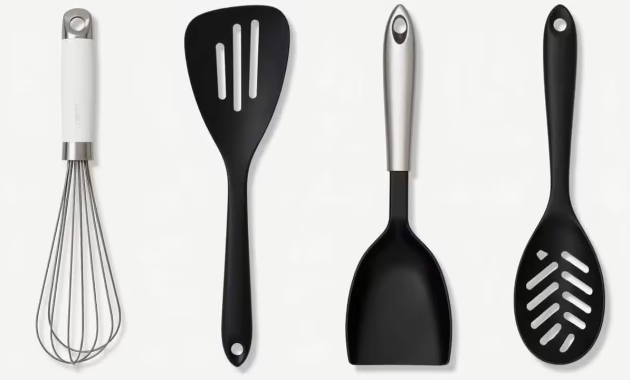
As the world of kitchen gadgets and cooking tools continues to evolve, French consumer watchdog “60 Millions de Consommateurs” has sounded the alarm on four particular items that deserve our attention. From silicone bakeware to aluminum foil, these unassuming kitchen essentials may harbor hidden risks that every home chef should be aware of.
In their latest investigation, the consumer advocacy group has delved deep into the world of everyday cooking gear, uncovering potential pitfalls that could impact our health and safety in the kitchen. As we look ahead to 2026 and beyond, it’s crucial to stay informed and make informed choices when it comes to the tools we use to prepare our meals.
Silicone Bakeware: A Hot Seat for Safety Concerns
Silicone bakeware has long been touted as a versatile and non-stick option for home bakers. However, the consumer watchdog warns that this material may not be as straightforward as it seems. While silicone is generally considered safe when used at lower temperatures, the real challenge arises when it’s exposed to high heat.

According to the report, silicone bakeware can release potentially harmful substances when subjected to intense heat, such as during oven use or broiling. This raises concerns about the impact on the food we consume and the overall safety of our kitchen environment.
Experts recommend closely monitoring the condition of silicone bakeware and replacing it when it shows signs of wear or damage, as this can further increase the risk of chemical leaching.
Plastic Containers and Cling Film: Rethinking Microwave Safety
The use of plastic containers and cling film in the microwave has long been a source of debate, and “60 Millions de Consommateurs” is not holding back. Their investigation has revealed that these seemingly harmless items may pose a greater risk than we realize when exposed to the intense heat of microwave radiation.

The report suggests that certain plastics can release harmful substances, including endocrine-disrupting chemicals, when heated in the microwave. This can potentially contaminate the food we consume and have long-term health implications.
To mitigate these risks, the consumer watchdog recommends opting for microwave-safe glass or ceramic containers whenever possible, and avoiding the use of cling film in the microwave altogether.
Aluminum Foil: When the “Papillote” Becomes a Chemical Trap
Aluminum foil is a kitchen staple, often used for tasks like wrapping food or creating the classic “papillote” cooking method. However, the consumer watchdog has raised concerns about the potential risks associated with this seemingly innocuous material.

Their research suggests that when aluminum foil is used to wrap or cover food, particularly in the oven or under high heat, it can interact with the food and release harmful chemicals. This can lead to the contamination of the final dish and potentially expose consumers to substances that may have long-term health consequences.
Experts advise exercising caution when using aluminum foil in the kitchen and exploring alternative cooking methods or materials that may be safer for food preparation.
Navigating the Changing Landscape of Kitchen Utensils
As the world of kitchen utensils and cookware continues to evolve, it’s essential for consumers to stay informed and make mindful choices. The findings from “60 Millions de Consommateurs” serve as a wake-up call, reminding us that even the most familiar items in our kitchens may harbor hidden risks.

By staying vigilant and adapting our kitchen habits, we can ensure that our homes remain a safe and healthy environment for food preparation. As we look ahead to 2026 and beyond, it’s crucial to keep a close eye on the latest developments and make informed decisions about the tools we use to nourish ourselves and our families.
In the ever-changing landscape of kitchen utensils, the key is to approach each item with a critical eye, staying informed and prioritizing safety above all else. With the right knowledge and a proactive mindset, we can navigate this evolving terrain with confidence and ensure that our kitchens remain a sanctuary of health and culinary joy.
Adapting Your Kitchen Habits Without Panic
The findings from “60 Millions de Consommateurs” may seem daunting, but the consumer watchdog emphasizes the importance of adapting our kitchen habits without falling into a state of panic. It’s about making informed choices and gradually incorporating safer alternatives into our cooking routines.

For instance, when it comes to silicone bakeware, the recommendation is to closely monitor its condition and replace it when it shows signs of wear or damage. Similarly, for plastic containers and cling film, the focus should be on opting for microwave-safe glass or ceramic alternatives whenever possible.
As for aluminum foil, the consumer watchdog suggests exploring other cooking methods or materials that may be less prone to chemical interactions, such as parchment paper or reusable silicone baking mats.
| Kitchen Utensil | Potential Risks | Recommended Actions |
|---|---|---|
| Silicone Bakeware | Release of harmful substances when exposed to high heat | Monitor condition, replace when worn or damaged |
| Plastic Containers and Cling Film | Release of endocrine-disrupting chemicals when heated in the microwave | Use microwave-safe glass or ceramic alternatives |
| Aluminum Foil | Interaction with food leading to chemical contamination, especially under high heat | Explore alternative cooking methods or materials, such as parchment paper or silicone baking mats |
“The key is to approach each item with a critical eye, staying informed and prioritizing safety above all else. With the right knowledge and a proactive mindset, we can navigate this evolving terrain with confidence and ensure that our kitchens remain a sanctuary of health and culinary joy.”
– Chef Isabelle Dufour, Food Safety Specialist

By taking a measured and thoughtful approach, we can gradually incorporate safer alternatives into our kitchens without feeling overwhelmed. The goal is to create a healthier and more sustainable cooking environment, one step at a time.
Looking Ahead: The Future of Kitchen Utensils
As we look ahead to 2026 and beyond, the landscape of kitchen utensils is poised to undergo significant transformations. Driven by consumer demands for safer, more environmentally-friendly options, manufacturers and designers are already exploring innovative solutions to address the concerns raised by watchdog groups like “60 Millions de Consommateurs”.

One promising trend is the growing popularity of alternative materials, such as ceramic, glass, and stainless steel, which are less prone to chemical interactions and can withstand high temperatures without compromising safety. These materials not only offer a healthier alternative but also often boast improved durability and performance in the kitchen.
Additionally, the rise of smart, connected kitchen appliances and utensils is set to revolutionize the way we interact with our cooking tools. With the integration of advanced sensors and digital technologies, these innovative products can provide real-time feedback, customized guidance, and even remote monitoring to ensure optimal safety and performance.
“The future of kitchen utensils is not just about functionality, but about prioritizing the health and well-being of the end-user. Consumers are demanding more transparency, accountability, and innovative solutions that cater to their evolving needs and concerns.”
– Sarah Levine, Product Development Strategist at Kitchen Innovation Lab

As we move forward, the onus will be on manufacturers, designers, and regulatory bodies to stay ahead of the curve, anticipating and addressing emerging safety concerns. By collaborating with consumer advocacy groups, industry experts, and the general public, the kitchen of the future can become a sanctuary of culinary delight and optimal health.
Embracing the Change: A Healthier Kitchen for 2026 and Beyond
The findings from “60 Millions de Consommateurs” serve as a wake-up call, reminding us that even the most familiar items in our kitchens may harbor hidden risks. As we look ahead to 2026 and beyond, it’s crucial to approach our cooking tools with a critical eye, prioritizing safety and staying informed about the latest developments.
By adapting our kitchen habits and gradually incorporating safer alternatives, we can create a healthier and more sustainable cooking environment for ourselves and our families. From silicone bakeware to aluminum foil, each kitchen essential deserves our attention and vigilance.
As the landscape of kitchen utensils evolves, the future holds promise. Innovative materials, smart technologies, and collaborative efforts between manufacturers, designers, and consumer advocates will shape a new era of kitchen tools that prioritize health, safety, and culinary excellence. By embracing this change, we can ensure that our kitchens remain a sanctuary of nourishment and joy, now and in the years to come.
FAQ
What are the potential risks associated with silicone bakeware?
Silicone bakeware can release harmful substances when exposed to high heat, such as during oven use or broiling. It’s important to monitor the condition of silicone bakeware and replace it when it shows signs of wear or damage.
Why are plastic containers and cling film a concern when used in the microwave?
Certain plastics can release endocrine-disrupting chemicals when heated in the microwave. It’s recommended to use microwave-safe glass or ceramic containers instead.
How can the use of aluminum foil be problematic in the kitchen?
Aluminum foil can interact with food and release harmful chemicals, especially when used under high heat. Exploring alternative cooking methods or materials, such as parchment paper or silicone baking mats, is advisable.
What are some of the emerging trends in kitchen utensil design?
Manufacturers are increasingly exploring alternative materials like ceramic, glass, and stainless steel that are less prone to chemical interactions and can withstand high temperatures. Additionally, the integration of smart technologies in kitchen tools is set to revolutionize the way we interact with our cooking equipment.
How can I adapt my kitchen habits to prioritize safety without feeling overwhelmed?
The key is to take a measured and thoughtful approach, gradually incorporating safer alternatives into your cooking routine. Start with small changes, such as replacing worn silicone bakeware or opting for microwave-safe glass containers, and build from there.
What is the role of consumer advocacy groups like “60 Millions de Consommateurs” in shaping the future of kitchen utensils?
Consumer advocacy groups play a crucial role in raising awareness, conducting research, and collaborating with manufacturers and regulatory bodies to ensure that kitchen tools prioritize safety and health. Their findings and recommendations help drive innovation and change within the industry.
How can I stay informed about the latest developments in kitchen utensil safety?
Stay up-to-date by following reputable consumer advocacy groups, industry news, and expert opinions. Engage with online communities and seek out resources that provide comprehensive and reliable information on the evolving landscape of kitchen tools and their safety implications.
What are the long-term health implications of using unsafe kitchen utensils?
The prolonged exposure to harmful substances released from certain kitchen items, such as endocrine-disrupting chemicals or aluminum, can have significant long-term health consequences, including hormone imbalances, reproductive issues, and even increased cancer risk. Prioritizing safety is crucial for maintaining overall well-being.