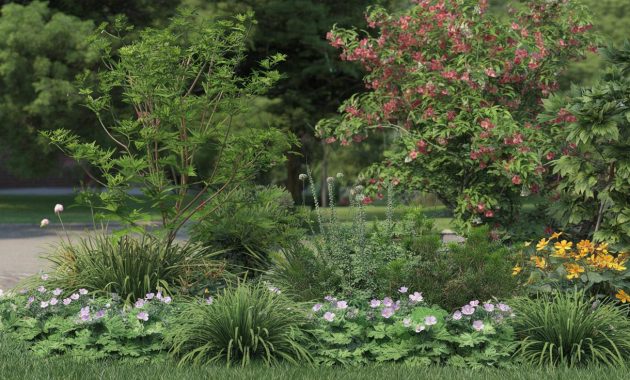
Busy schedule, tight budget, still dreaming of a lush garden?
Some plants quietly thrive with almost no effort from you.
Across Europe and North America, more people want a good-looking garden without weekend‑long weeding sessions or a degree in horticulture. The seven plants below are tough, forgiving and attractive, and they cope with everything from sandy corners to dry shade – ideal for anyone who wants greenery that more or less looks after itself.
Why low-maintenance plants matter now
Longer summer droughts and rising water costs are changing how home gardens are planned. Many classic cottage-garden favourites need constant watering, dividing or pruning, which simply does not fit modern lives.
Low‑maintenance plants save time, cut water use and still keep borders full, colourful and buzzing with pollinators.
The choices here fall into two broad groups: herbaceous perennials (often called “border perennials” or simply “perennials”) and shrubs/small trees, known in gardening as “woody plants” or “woody ornamentals”. Both groups return year after year, and none of them need complicated care.
Easygoing perennials: colour that comes back every year
1. Cranesbill geranium (Geranium species)
Not to be confused with the bright, tender pelargoniums in summer window boxes, true cranesbills are hardy, long‑lived perennials. They form neat mounds of foliage topped with simple, charming flowers for weeks on end.
Different species cover different problem spots. Balkan cranesbill (Geranium macrorrhizum) tolerates dry shade under trees, where lawn and many bedding plants fail. Blood cranesbill (Geranium sanguineum) prefers sunny places and poor, even stony soil, yet still flowers reliably.
Cranesbill geraniums forgive irregular watering, shrug off most pests and diseases, and rarely need dividing or replanting.
Trim back old flower stems once they look messy and, if you like, give plants a light haircut in midsummer. Fresh foliage appears quickly, often with a second flush of blooms.
2. Daylily (Hemerocallis hybrids)
Each daylily flower really does last only a single day, but the plant produces so many buds that clumps can appear in bloom for weeks. Flowers come in yellows, oranges, deep reds and near‑purples, with both classic and frilly forms.
➡️ Psychology reveals why emotional numbness is sometimes a sign of mental overload, not coldness
➡️ Slippery patio and green paving: these 4 kitchen ingredients beat bleach at killing moss
Daylilies grow best in sun or light shade on reasonably moist soil, yet they handle dry spells far better than many showy perennials. Once established, they need very little from you.
- Watering: only during prolonged drought after the first year
- Feeding: one generous spring feed is usually enough
- Care: remove spent flower stalks and dead leaves for tidiness
Group several varieties together along a path or near a patio for a long, shifting display. They are also useful as low‑effort edging plants around shrubs.
3. Russian globe thistle (Echinops ritro)
With steel‑blue spherical flowers from July to September, Russian globe thistle brings architectural drama to sunny borders. The spiky foliage and stiff stems hold their shape, even in strong wind.
This plant accepts almost any well‑drained soil, from light sand to stony or slightly clayey ground, and copes well with summer droughts. Shade is the main condition it dislikes; give it sun and it will repay you with high-impact colour.
Globe thistles are among the best nectar plants for bees, hoverflies and butterflies in dry, sunny gardens.
Cut some stems for vases or leave them in place. The dried seed heads add winter structure and shelter insects. A single tidy‑up cut in late winter is usually enough.
4. Woodland sage / steppe sage (Salvia nemorosa)
Related to culinary sage but grown purely for ornament, Salvia nemorosa offers vertical spikes of purple, pink or white flowers above aromatic foliage. It thrives in full sun and lean, well‑drained soil, including sandy land that defeats fussier plants.
These salvias dislike sitting in wet ground through winter, which makes them ideal for raised beds, gravel gardens and slopes. In poor, dry soil they often perform better than in rich, heavy ground.
Cutting back faded flower spikes can encourage a second wave of bloom. Otherwise, a hard trim in early spring keeps clumps compact and productive.
Tough shrubs and small trees for “plant‑and‑forget” structure
While perennials give seasonal change, woody plants provide the bones of the garden. The three below need no regular pruning and resist common garden problems on typical soils.
5. Copper serviceberry (Amelanchier lamarckii)
Known as copper serviceberry for its bronze‑tinted young leaves, this large shrub or small tree can reach around six metres in height, yet remains light and graceful. It offers year‑round interest: spring blossom, early summer berries and fiery autumn leaves.
Copper serviceberry handles both damp and chalky soils and seldom needs more than the occasional thinning cut.
In April and May it carries clouds of white star‑shaped flowers. By July, dark berries ripen; they are edible and attract birds. Autumn brings rich orange and red foliage, so one plant can earn its space in any medium‑sized garden.
6. Beauty bush (Kolkwitzia amabilis)
Beauty bush lives up to its name during late spring, when its arching branches are covered in soft pink, bell‑shaped flowers. For the rest of the year it forms a relaxed shrub that works well at the back of borders or as part of an informal hedge.
It tolerates both sun and partial shade. Flowering is heaviest in full sun, but the plant remains healthy in brighter shade near buildings or taller trees. Most ordinary garden soils suit it, as long as they drain freely and are not overly rich.
Too many nutrients push leafy growth over flowers, so avoid heavy feeding. Short dry periods are fine; water only in extreme drought while the plant is young.
7. Cornelian cherry (Cornus mas)
Cornelian cherry is a multi‑stemmed dogwood that can reach eight metres in time, though it responds well to gentle shaping. It is among the earliest shrubs to flower: clusters of small yellow blossoms appear as early as February, often before the leaves.
This timing provides crucial nectar for early bees on mild late‑winter days. Later, the plant carries red, olive‑shaped fruits. These are edible when fully ripe and used in jams and syrups in parts of Europe.
Cornelian cherry tolerates heat, wind, dry spells and light shade, making it one of the most resilient choices for low‑input gardens.
Only waterlogged soil is a problem. On any reasonably drained ground, it can grow for decades with little human interference.
Quick comparison: what each plant offers
| Plant | Main strength | Best position | Water needs once established |
|---|---|---|---|
| Cranesbill geranium | Ground cover, weed suppression | Sun to dry shade | Low |
| Daylily | Long flowering season | Sun or part shade | Moderate to low |
| Russian globe thistle | Drought-tolerant, pollinator magnet | Full sun | Very low |
| Woodland/steppe sage | Vertical structure in poor soils | Sunny, well-drained spots | Very low |
| Copper serviceberry | Four-season interest | Sun or light shade | Low |
| Beauty bush | Mass of late spring flowers | Sun to part shade | Low |
| Cornelian cherry | Very early bloom, edible fruit | Sun or part shade | Low |
How to combine these plants in a real garden
A simple layout for a low‑care, roughly 5×3‑metre border could look like this: a cornelian cherry or copper serviceberry at the back as the main structural plant, flanked by a beauty bush. In front, plant sweeps of cranesbill, daylilies and woodland sage, with Russian globe thistles acting as bold vertical accents.
This mix gives flowers from late winter (cornelian cherry) through spring (serviceberry and beauty bush) into high summer (sage, globe thistle, daylilies and cranesbill). The shrubs add height and privacy; the perennials fill gaps and reduce weed growth by covering soil.
Two gardening terms worth knowing
Well-drained soil means water soaks in and then moves through the ground instead of forming puddles for days. A simple test: dig a small hole, fill it with water, and check again in an hour. If the water has vanished or nearly so, drainage is usually fine for these plants.
Mulch is a loose layer placed on top of soil, often made from bark chips, compost or gravel. Used around these seven plants, mulch slows evaporation, keeps roots cooler in hot spells and reduces weed growth – all of which makes an already easy garden even more forgiving.
Balancing low effort with long-term health
Even the toughest ornamentals need a little attention in their first year. Regular watering during that period helps roots push deep into the soil, which then reduces watering needs in later summers. Think of it as a short start‑up phase for years of low‑effort growth.
After that, small, regular tasks work better than big, rare ones: a light spring feed, a winter prune of old stems, and a quick check for invasive weeds. With these basics, the seven plants above can turn a neglected patch into a resilient, good‑looking garden that fits around real life rather than ruling it.