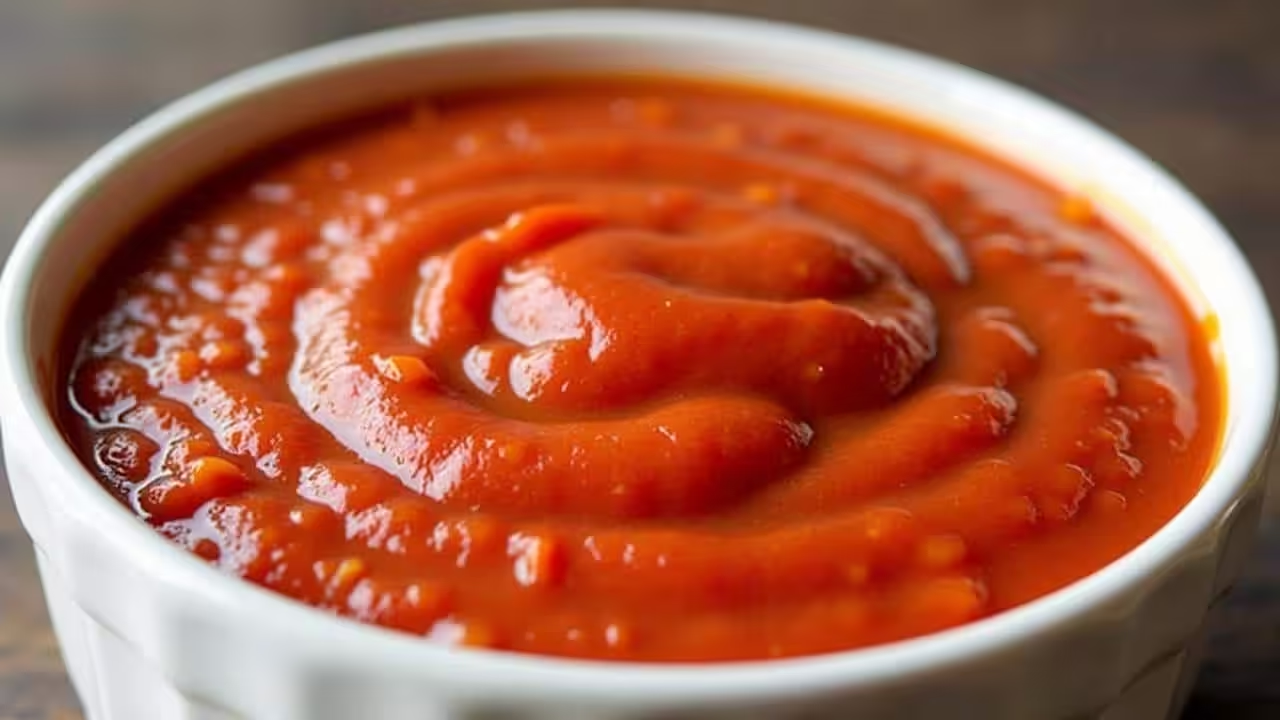
Tomato sauce is a staple in Italian cuisine, but for some, the sharp, acidic bite can be a challenge. Across Italian kitchens, though, there’s a quiet, clever method that softens that harsh edge without a spoonful of sugar – and the hero ingredient might surprise you.
The secret lies in a humble vegetable that many home cooks already have on hand: the carrot. By simmering a few slices of carrot in the tomato sauce, Italian chefs have discovered a natural way to round out the flavors and create a more balanced, velvety texture.
This simple trick not only tames the acidity but also adds a subtle sweetness that complements the tomatoes perfectly. It’s a revelation for those who have struggled with overly tart or unpalatable tomato sauces in the past.

Why Your Tomato Sauce Turns Out So Sharp
The primary reason for a harsh, acidic tomato sauce is the quality and ripeness of the tomatoes used. Unripe or low-quality tomatoes can have a high acid content, which can make the sauce taste sour and unpleasant.
Additionally, the method of preparation can also contribute to the acidity. Quickly cooking the tomatoes or not allowing the sauce to simmer long enough can result in a sharper flavor profile.
Lastly, the addition of certain ingredients, like wine or vinegar, can further amplify the acidity if not balanced properly.

The Italian Trick: A Carrot Instead of a Sugar Cube
Across Italy, home cooks and professional chefs alike have long relied on a simple solution to tame the acidity in their tomato sauces: the humble carrot.
By simmering thin slices or coins of carrot in the sauce for an extended period, the natural sugars in the carrot slowly release and help to balance out the sharp, acidic notes of the tomatoes.
This technique is often preferred over adding sugar directly, as the carrot provides a more natural and subtle sweetness that integrates seamlessly into the overall flavor profile.

Two Schools: Blend It or Pull It Out
When it comes to incorporating the carrot into the tomato sauce, there are two main schools of thought among Italian cooks:
The first approach is to blend the carrot slices directly into the sauce, creating a homogeneous mixture. This method allows the carrot to fully incorporate and distribute its sweetness throughout the sauce.
The second method is to simmer the carrot slices in the sauce and then remove them before serving. This allows the flavors to meld without the visual presence of the carrot pieces.

Both techniques can be effective, and the choice often comes down to personal preference and the desired texture of the final sauce.
How This Compares with Other Common Fixes
While adding a pinch of sugar is a common fix for overly acidic tomato sauces, the Italian carrot method offers a more natural and balanced approach.
Sugar can sometimes overpower the other flavors and make the sauce taste cloying or artificial. In contrast, the carrot’s sweetness blends seamlessly with the tomatoes, creating a harmonious flavor profile.

Other techniques, such as adding a splash of cream or incorporating dairy products, can also help to tame acidity. However, these methods can alter the core essence of the tomato sauce, whereas the carrot approach preserves the authentic Italian flavors.
Choosing the Right Carrot and Cooking Style
When employing the Italian carrot method, the type of carrot and the cooking process play a crucial role in achieving the desired results.
For best results, opt for young, sweet carrots that are freshly harvested. Avoid older, more fibrous carrots, as they may impart a bitter or earthy flavor to the sauce.

As for the cooking method, the key is to simmer the carrot slices in the sauce for an extended period, allowing the natural sugars to slowly release and integrate into the tomato base. This gradual approach ensures a smooth, balanced flavor without overwhelming the other ingredients.
Understanding Acidity and Digestion
Beyond just the flavor profile, the acidity in tomato sauce can also have an impact on digestion. Highly acidic sauces can be challenging for some individuals, particularly those with sensitive stomachs or issues like acid reflux.
The carrot method not only softens the sharp edges of the sauce but may also make it more gentle on the digestive system. The natural sweetness of the carrot can help to neutralize the acidity, creating a more soothing and comfortable eating experience.

This makes the Italian carrot trick particularly useful for those who have struggled with the effects of overly acidic tomato sauces in the past.
Practical Scenarios: When the Carrot Trick Really Shines
The carrot method for taming acidity in tomato sauce is particularly valuable in a few key scenarios:
1. When using canned or out-of-season tomatoes, which can be more acidic than fresh, ripe tomatoes.

2. When preparing large batches of sauce for canning or freezing, where the acidity may become more pronounced over time.
3. When serving the sauce to individuals with sensitive stomachs or digestive issues, as the carrot can help to make the sauce more gentle on the system.
In these situations, the carrot trick can be a game-changer, transforming a potentially sharp and unpleasant tomato sauce into a rich, balanced, and soothing culinary experience.
Extra Tips for a Balanced Italian-Style Tomato Sauce
While the carrot method is the star of the show, there are a few other tips to keep in mind for crafting the perfect Italian-style tomato sauce:
1. Use a combination of tomato types, such as San Marzano and Roma, to create a more complex flavor profile.
2. Sauté the onions and garlic thoroughly before adding the tomatoes to develop a robust base.
3. Incorporate a splash of red wine or balsamic vinegar for depth, but be sure to balance it with the carrot’s sweetness.
4. Season generously with fresh basil, oregano, and a pinch of salt and pepper to enhance the authentic Italian flavors.
| Carrot Varieties for Tomato Sauce | Cooking Time for Carrot |
|---|---|
|
|
| Comparison of Acidity-Reducing Methods | Carrot | Sugar | Cream/Dairy |
|---|---|---|---|
| Flavor Impact | Subtle, natural sweetness | Can be overpowering | Alters the core tomato flavor |
| Digestibility | Gentle on the stomach | No impact | Can be problematic for some |
| Authenticity | Maintains Italian essence | Less traditional | Deviates from classic Italian style |
“The carrot method is a game-changer for anyone struggling with overly acidic tomato sauces. It’s a simple, natural solution that truly transforms the flavor profile.”
– Maria Rossi, Italian Chef and Cookbook Author
“I’ve been using the carrot trick for years in my kitchen, and it never fails to deliver a rich, balanced tomato sauce. It’s a true Italian secret worth sharing.”
– Antonio Gianelli, Owner of Trattoria Bella Notte
“As someone with a sensitive stomach, the carrot method has been a lifesaver. It takes the edge off the acidity without sacrificing the authentic tomato flavor.”
– Lucia Bianchi, Food Blogger and Recipe Developer
The Italian carrot method is a simple, yet transformative technique that every home cook should have in their arsenal. By harnessing the natural sweetness of this humble vegetable, you can tame the sharpness of your tomato sauce and create a balanced, velvety masterpiece that truly embodies the essence of Italian cuisine.
What types of carrots work best for the Italian carrot method?
For the best results, opt for young, sweet carrots like Danvers, Nantes, or Rainbow carrots. Avoid older, more fibrous carrots, as they may impart a bitter or earthy flavor to the sauce.
How long should I simmer the carrot slices in the tomato sauce?
The key is to simmer the carrot slices for an extended period, usually between 30-45 minutes for sliced carrots and 45-60 minutes for whole baby carrots. This gradual cooking process allows the natural sugars to slowly release and integrate into the tomato base.
Can I blend the carrot directly into the sauce or should I remove it?
Both techniques can work well. Blending the carrot directly into the sauce creates a homogeneous mixture, while removing the carrot slices after simmering allows the flavors to meld without the visual presence of the vegetable. It’s a matter of personal preference and the desired texture of the final sauce.
How does the carrot method compare to adding sugar to reduce acidity?
The carrot method is a more natural and balanced approach compared to adding sugar directly. Sugar can sometimes overpower the other flavors and make the sauce taste cloying or artificial, while the carrot’s sweetness blends seamlessly with the tomatoes.
Can the carrot method help with digestibility?
Yes, the carrot method can make the tomato sauce more gentle on the digestive system. The natural sweetness of the carrot can help to neutralize the acidity, creating a more soothing and comfortable eating experience, especially for those with sensitive stomachs or issues like acid reflux.
When is the carrot method particularly useful?
The carrot method is especially valuable when using canned or out-of-season tomatoes, which can be more acidic than fresh, ripe tomatoes. It’s also useful when preparing large batches of sauce for canning or freezing, where the acidity may become more pronounced over time, and when serving the sauce to individuals with sensitive stomachs or digestive issues.
What other tips can I use to create a balanced Italian-style tomato sauce?
In addition to the carrot method, you can try using a combination of tomato types, sautéing the onions and garlic thoroughly, incorporating a splash of red wine or balsamic vinegar for depth, and seasoning generously with fresh basil, oregano, and a pinch of salt and pepper.
Is the carrot method a traditional Italian technique?
Yes, the carrot method for taming acidity in tomato sauce is a well-established and traditional technique used across Italian kitchens. It’s a simple, yet clever solution that preserves the authentic flavors of Italian cuisine.