Over the years, research focused on quest for increasing success rates and producing healthier children has led to development of new techniques with in the IVF. . Some of the technologies developed are:
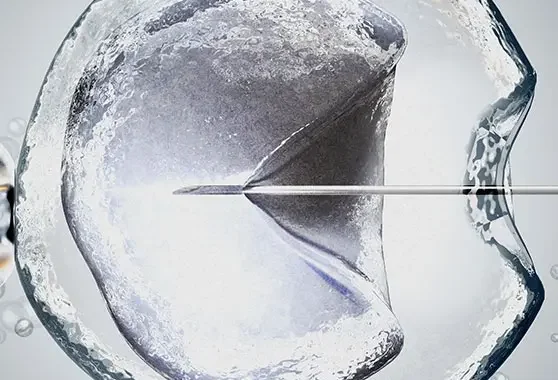
Intracytoplasmic Sperm Injection (ICSI): This procedure focuses on male fertility. ICSI is required to help overcome fertilisation failures if the sperm count is low. . While in IVF, the eggs and sperm are kept in the petri dish, and the best sperm finds its way into the egg. In ICSI, under the vision of a high-powered special microscope, one sperm is injected into the egg using a specialized technique called micromanipulation. . This leads to increased chance of fertilisation.
Laser Assisted Hatching: The procedure of laser assisted hatching involves the use of a laser to break the thick wall around the egg, which prevents healthy embryos from implanting in the uterine wall. This allows the embryo to hatch and implant more easily into the lining of the uterus
Egg or Sperm freezing: Eggs and sperm are extracted from a woman and man to be frozen and used at a later date. This means that a couple delaying the decision to have children for health issues such as a serious illness like cancer, or for career related reasons, or a life-style related conscious decision etc. can still have biologically own children.. The technique can also be used for having a second baby through IVF.
Microscopic sperm extraction: This procedure is used to treat male infertility caused by the absence of sperm in the ejaculate of male partners. The sperms are directly surgically extracted from the testes. However, the use of special microscopes during the extraction increases the chance of success of finding sperm.
Preimplantation Genetic Testing (PGT): PGT of the embryo is carried out before implantation to ensure that the child to be born does not suffer from any genetic diseases in the future. PGT provides a safe platform for excluding risk of having a baby with genetic abnormality, reduces the risk of miscarriages (most miscarriages are caused by genetic abnormalities) and cuts the time to successful conception short.
IVF treatments have given many a couples and individuals a chance of having a family, which they otherwise would not have had a chance to have.
ART Fertility Clinics at the forefront of research and technology .Over the last 7 years ART Fertility Clinics has led the way globally in publishing high number of translational research papers. More than seventy papers have been published in high impact fertility journals, focusing on different aspects of IVF treatments, mainly
Individualisation of treatments by better understanding of human reproductive biology. Raising awareness on simple lifestyle measures to reduce risk of fall in ovarian reserve.
Improving the chance of implantation of embryos in the uterus.
Use of genetic testing of embryos to improve chances of having a healthy baby and minimise risk of negative outcomes, including miscarriages.
In addition, ART fertility clinics uses most advanced technology in the embryology labs across all its clinics globally, maintaining highest quality and most stable environment for the growing embryos to give highest success rates -Modular clean room IVF labs with airlock systems to maintain quality of air inside the embryology labs In addition to HEPA filters, positive air pressure and activated carbon filters, using the Photo Catalytic Oxidation (PCO) technology to purify the air and reduce Volatile Organic Compounds (VOC) levels RFID technology-based RI Witness system that allows traceability of gametes and embryos to avoid any mix up.
Alarm systems with sensors to continuously monitor the environment in the labs. Any deviation in temperature, humidity and gases, can be detrimental to outcomes.
Own genetic testing lab to make this crucial technology readily available to our clients at an affordable price.
ART Fertility clinics by keeping unwavering focus on delivering quality have consistently delivered amongst the highest success rates globally.