
The small mountain village came into view gradually, its weathered wooden houses nestled between the dense forest and the winding river below. But as I drew closer, something felt off. The streets were eerily quiet, and many of the buildings were shuttered and overgrown. This was no peaceful rural idyll – it was a ghost town, slowly being reclaimed by nature.
This scene, repeated across countless villages in rural Japan, offers a sobering lesson about the complex relationship between human population decline and environmental recovery. While it’s tempting to assume that as people leave, wildlife will naturally bounce back, the reality on the ground is much more nuanced. The story of these vanishing villages holds important insights for how we understand the future of the natural world.
The Myth of Automatic Recovery
One of the most persistent myths about population decline is that it automatically leads to environmental restoration. The logic seems sound – fewer people means less development, less pollution, and more space for nature to reclaim. And there are certainly examples where this has happened, like the rewilding of abandoned farmland in parts of Europe.

But the reality in places like rural Japan tells a more complicated tale. As villages are gradually abandoned, the natural world doesn’t simply rush in to fill the void. Instead, a state of ecological limbo takes hold, with unintended consequences that can be just as harmful as human activity.
Without the careful management of forests, fields, and waterways that once sustained rural communities, delicate ecosystems fall out of balance. Invasive species proliferate, native habitats are lost, and populations of iconic wildlife like the sika deer explode, leading to overgrazing and the decline of other species.
The Unseen Costs of Abandonment
One of the most striking examples of this dynamic is the transformation of Japan’s once-verdant rural landscapes. As villagers have migrated to urban centers, leaving behind their traditional ways of life, the carefully curated mosaic of fields, forests, and waterways has started to unravel.

Without the constant pruning, burning, and harvesting that once kept the balance, dense forests have encroached on open meadows, and thickets of bamboo have choked out diverse plant life. Meanwhile, deer populations have skyrocketed, stripping the landscape bare and preventing the regeneration of trees and other vegetation.
The results are both ecologically and economically devastating. Crop yields plummet, traditional industries collapse, and once-vibrant rural communities fade away. Far from a pastoral idyll, these “abandoned” landscapes often resemble a dystopian nightmare, with hungry deer wandering the streets and centuries-old traditions consigned to history.
Lessons for a Changing World
The story of rural Japan’s vanishing villages holds important lessons for how we think about the future of the natural world. As human populations contract in some regions, driven by economic, social, and environmental pressures, it’s crucial that we resist the temptation to assume that nature will automatically bounce back.

Instead, we need to recognize that the relationship between people and the environment is often deeply interdependent, shaped by complex patterns of land use, resource management, and cultural practices. In many cases, the withdrawal of human activity can be just as disruptive as its presence, leading to unintended consequences that undermine biodiversity and ecological resilience.
Ultimately, the fate of the natural world in a time of demographic change will depend on our ability to thoughtfully and proactively manage these transitions. This may mean finding new ways to sustainably maintain traditional land management practices, or developing innovative approaches to rewilding that account for the unique needs of different ecosystems.
The Need for Nuance
As we grapple with the global challenges of climate change, habitat loss, and species decline, it’s tempting to cling to simple solutions. But the lessons of rural Japan remind us that the relationship between people and the natural world is rarely straightforward.

By embracing a more nuanced understanding of how human activity and demographic change shape the environment, we can develop more effective and sustainable approaches to conservation and restoration. This means moving beyond simplistic narratives of human impact and natural recovery, and instead, cultivating a deeper appreciation for the complex and often surprising ways that people and nature coexist.
Only by acknowledging the full complexity of these dynamics can we hope to navigate the challenges that lie ahead, and ensure that as the world changes, the natural world is able to thrive alongside us.
The Enduring Power of Human Stewardship
Ultimately, the story of rural Japan’s vanishing villages underscores the enduring power of human stewardship in shaping the natural world. While it’s true that human activity has been a major driver of environmental degradation, it’s also clear that our absence can be just as disruptive.
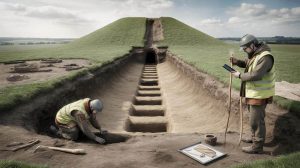
In these “abandoned” landscapes, the lack of human management has led to a cascade of unintended consequences, from invasive species to ecosystem collapse. And as these communities continue to fade away, the fate of the natural world hangs in the balance, dependent on our ability to find new ways to sustainably engage with and care for the land.
By recognizing the complex, interdependent relationship between people and nature, we can begin to chart a path forward that embraces the full nuance of this dynamic. This may mean rethinking our approach to conservation, exploring new models of sustainable land use, or finding ways to integrate traditional ecological knowledge with modern scientific understanding.
Conclusion: Toward a New Environmental Ethic
As the world grapples with the challenges of population change, climate change, and environmental crisis, the lessons of rural Japan offer a powerful reminder of the need for a more holistic, nuanced approach to the natural world.

Rather than clinging to simplistic narratives of human impact and natural recovery, we must embrace the full complexity of the relationship between people and the environment. This means acknowledging the essential role that human stewardship has played in shaping and sustaining ecosystems, and finding new ways to thoughtfully and proactively engage with the natural world as it continues to evolve.
Only by developing a more sophisticated, context-sensitive understanding of these dynamics can we hope to navigate the challenges that lie ahead, and ensure that as the world changes, the natural world is able to thrive alongside us. It’s a daunting task, but one that holds the key to a more sustainable and equitable future for all.
| Indicator | Rural Japan | Urbanized Regions |
|---|---|---|
| Population Decline | Rapid depopulation, with many villages abandoned | Slower population decline or even growth |
| Land Use Changes | Forests encroaching on former farmland and meadows, bamboo thickets proliferating | More stable, managed landscapes, with less dramatic changes |
| Wildlife Populations | Deer populations exploding, leading to overgrazing and ecosystem imbalance | Wildlife populations more stable, with more effective management and conservation efforts |
| Economic Impact | Collapse of traditional industries and livelihoods, leading to further depopulation | More diverse economic opportunities, with less reliance on traditional rural activities |
| Expert Perspective | Quotation |
|---|---|
| Ecologist |
|
| Rural Policy Analyst |
|
| Anthropologist |
|

“The natural world doesn’t simply rush in to fill the void left by human activity. Instead, a state of ecological limbo takes hold, with unintended consequences that can be just as harmful as human impact.”

“By embracing a more nuanced understanding of how human activity and demographic change shape the environment, we can develop more effective and sustainable approaches to conservation and restoration.”
What are the key reasons why nature doesn’t automatically recover when human populations decline?
The main reasons why nature doesn’t automatically recover when human populations decline are:
1) Many rural landscapes have been carefully managed and curated by human activity for centuries, and the withdrawal of that stewardship can lead to imbalances and the proliferation of invasive species.
2) Traditional ecological knowledge and land management practices are often lost as communities abandon their rural ways of life, disrupting the delicate balance of ecosystems.
3) Overgrazing by wildlife populations that have gone unchecked can prevent the regeneration of native plant life and lead to further ecological degradation.
How do the dynamics in rural Japan differ from more urbanized regions when it comes to population decline and environmental impacts?
The key differences between rural Japan and more urbanized regions when it comes to population decline and environmental impacts are:
– Rural areas tend to experience rapid, dramatic depopulation, leading to the abandonment of many villages, while urban areas see slower population decline or even growth.
– Land use changes in rural areas are much more dramatic, with forests encroaching on former farmland and meadows, and invasive species like bamboo proliferating. Urban areas tend to have more stable, managed landscapes.
– Wildlife populations, especially deer, explode in rural abandoned areas, leading to overgrazing and ecosystem imbalance, while urban areas have more stable and effectively managed wildlife populations.
– The economic impact is much more severe in rural areas, with the collapse of traditional industries and livelihoods, leading to further depopulation. Urban areas have more diverse economic opportunities.
What are some of the key challenges in developing effective conservation and land management strategies for areas affected by population decline?
Some of the key challenges in developing effective conservation and land management strategies for areas affected by population decline include:
– Recognizing the complex, interdependent relationship between human activity and the natural environment, and moving beyond simplistic narratives of “human impact” and “natural recovery”.
– Preserving and integrating traditional ecological knowledge and sustainable land management practices that are often lost as rural communities abandon their ways of life.
– Addressing the proliferation of invasive species and overgrazing by wildlife populations that have gone unchecked, in order to restore ecosystem balance.
– Finding ways to sustainably maintain or adapt traditional land use practices in the face of demographic changes, rather than assuming that “nature will take care of itself”.
– Developing new models of conservation and rewilding that account for the unique needs and dynamics of different ecosystems affected by population decline.
What are some of the key lessons that the experience of rural Japan holds for how we think about the relationship between people and the natural world?
The key lessons that the experience of rural Japan holds for how we think about the relationship between people and the natural world include:
– The withdrawal of human activity and stewardship can be just as disruptive to ecosystems as human impact, leading to unintended consequences like the explosion of wildlife populations and the decline of biodiversity.
– Traditional ecological knowledge and sustainable land management practices are often essential to maintaining the delicate balance of rural landscapes, and their loss can have serious ecological consequences.
– We need to move beyond simplistic narratives of “human impact” and “natural recovery”, and instead develop a more nuanced, context-sensitive understanding of the complex, interdependent relationship between people and the environment.
– Effective conservation and land management strategies must account for demographic changes and find ways to sustainably integrate human activity, rather than assuming that nature will automatically bounce back in the absence of people.
How can the lessons from rural Japan inform our approaches to conservation and environmental management in a changing world?
The lessons from rural Japan can inform our approaches to conservation and environmental management in a changing world in several key ways:
– They highlight the need to move beyond simplistic assumptions about the relationship between human population decline and environmental recovery, and instead develop more nuanced, context-sensitive strategies.
– They underscore the essential role that traditional ecological knowledge and sustainable land management practices can play in maintaining healthy ecosystems, and the importance of preserving and integrating these approaches.
– They demonstrate the need to proactively manage the transitions that come with demographic change, rather than assuming that nature will automatically fill the void left by human activity.
– They suggest the importance of finding new models of conservation and rewilding that account for the unique needs and dynamics of different landscapes affected by population decline and other forms of change.
– Ultimately, they call for a more holistic, interdisciplinary approach to environmental stewardship that recognizes the complex, interdependent relationship between people and the natural world.
What are some of the key factors that contribute to the explosion of wildlife populations in abandoned rural areas?
Some of the key factors that contribute to the explosion of wildlife populations, particularly deer, in abandoned rural areas include:
– The lack of traditional management practices like hunting, culling, and habitat maintenance, which previously kept wildlife populations in check.
– The encroachment of dense forests and thickets on former open meadows and farmland, providing ample food and shelter for deer and other species.
– The absence of human activity and disturbance, which allows deer populations to proliferate without competition or predation.
– The decline of traditional livelihoods and industries that relied on sustainable resource use, removing economic incentives for managing wildlife populations.
– The loss of traditional ecological knowledge and land management practices that were essential to maintaining the delicate balance of these rural ecosystems.
How can we rethink our approach to conservation and environmental management to better address the challenges posed by population decline and demographic change?
To rethink our approach to conservation and environmental management in the face of population decline and demographic change, we can:
– Move beyond simplistic narratives of “human impact” and “natural recovery”, and develop a more nuanced understanding of the complex, interdependent relationship between people and the environment.
– Prioritize the preservation and integration of traditional ecological knowledge and sustainable land management practices, which are often essential to maintaining healthy ecosystems.
– Explore new models of conservation and rewilding that account for the unique needs and dynamics of different landscapes affected by population decline.
– Develop proactive strategies for managing the transitions that come with demographic changes, rather than assuming that nature will automatically fill the void left by human activity.
– Foster interdisciplinary collaboration between ecologists, anthropologists, policymakers, and local communities to develop holistic, context-sensitive approaches to environmental stewardship.
What are some of the key economic and social impacts of population decline in rural areas, and how do these relate to environmental outcomes?
The key economic and social impacts of population decline in rural areas that relate to environmental outcomes include:
– The collapse of traditional industries and livelihoods that were dependent on sustainable resource use and land management practices, leading to further depopulation and the loss of essential ecological knowledge.
– The breakdown of rural community structures and support systems, making it more difficult to maintain the coordinated efforts needed for effective environmental stewardship.
– The erosion of economic incentives for managing wildlife populations and maintaining healthy ecosystems, as the traditional drivers of these activities disappear.
– The inability of aging or diminished populations to continue the labor-