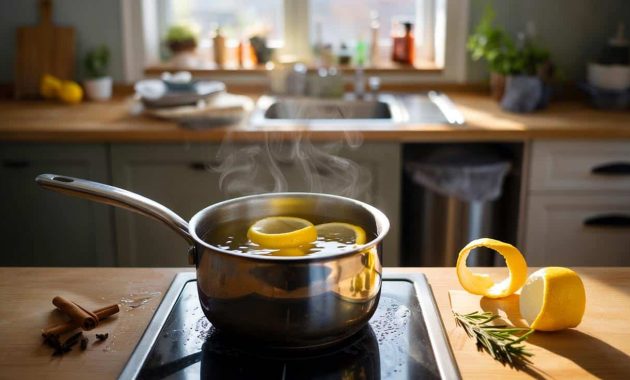
As you step into the kitchen, the lingering smells from last night’s cooking can instantly feel stale and overwhelming. The mingling aromas of garlic, burnt toast, and a faint refrigerator odor create an unpleasant atmosphere, making it difficult to enjoy your space. But there’s a simple and natural solution that can transform your kitchen’s ambiance – boiling water with lemon peels.
This ancient technique has been used for generations to refresh and revitalize the air in the kitchen. The citrusy fragrance of the lemon peels not only neutralizes unpleasant odors but also infuses the room with a clean, uplifting scent that can instantly lift your mood and make the space feel more inviting.
Unleashing the Power of Lemon Peels
Lemon peels are more than just a byproduct of your kitchen prep work. They are a treasure trove of natural compounds that can work wonders in your home. When you boil lemon peels in water, the essential oils and compounds within the peel are released into the air, creating a refreshing and cleansing aroma.

The citric acid in lemon peels also helps to neutralize and break down odor-causing molecules, effectively eliminating unpleasant smells. This simple act can transform the entire ambiance of your kitchen, making it feel brighter, more inviting, and truly refreshed.
Best of all, this method is completely natural and cost-effective, requiring only a few minutes of your time and a handful of lemon peels that you likely already have on hand.
The Step-by-Step Process
Reviving your kitchen’s scent with lemon peels is a straightforward process that anyone can master. Here’s how to do it:

1. Collect the lemon peels: As you use lemons in your cooking, simply save the peels and store them in a resealable bag or container in the freezer until you’re ready to use them.
2. Bring water to a boil: Fill a small saucepan with water and place it on the stovetop over high heat. Allow the water to come to a full boil.
3. Add the lemon peels: Once the water is boiling, add a handful of the saved lemon peels to the pot. The amount you use can vary depending on the size of your kitchen and the intensity of the existing odors.

4. Simmer and let the fragrance fill the air: Reduce the heat to low and let the lemon-infused water simmer for 10-15 minutes. As the water simmers, the citrusy aroma will begin to fill the air, gradually replacing any unpleasant smells.
Beyond the Peel: The Lasting Impact
Boiling lemon peels is more than just a quick fix for kitchen odors. It’s a small ritual that can have a profound impact on the overall atmosphere of your cooking space. The refreshing scent can linger for hours, creating a sense of cleanliness and positivity that extends far beyond the initial boiling process.
Additionally, the act of saving lemon peels and using them in this way can foster a greater appreciation for the small things in your kitchen. It’s a mindful practice that encourages you to be resourceful and find value in the seemingly insignificant byproducts of your cooking.

Over time, this simple habit can become a grounding routine that helps you maintain a fresh, inviting kitchen environment. It’s a gentle reminder to pause, take a deep breath, and enjoy the simple pleasures of a well-cared-for cooking space.
The Science Behind the Scent
The refreshing aroma of boiled lemon peels is more than just a pleasant sensation. It’s the result of a complex interplay of chemical compounds that have a profound impact on our senses and mood.
The essential oils in lemon peels, such as limonene and citral, are responsible for the distinctive citrus scent. These compounds have been shown to have uplifting and energizing effects, helping to improve mood and reduce stress levels.

Furthermore, the acidic nature of the lemon peels helps to neutralize and break down odor-causing molecules, effectively eliminating unpleasant smells. This process not only freshens the air but can also have a cleansing effect on surfaces and surfaces in the kitchen.
Expanding the Lemon Peel Experience
While boiling lemon peels is an excellent way to refresh your kitchen’s scent, there are also other ways to incorporate this natural deodorizer into your daily routine. Consider adding lemon peels to your compost bin, using them as a natural cleaning scrub, or even drying them to create a fragrant sachet for your drawers or pantry.
The versatility of lemon peels makes them a valuable and eco-friendly addition to any household. By finding creative ways to repurpose and utilize this humble byproduct, you can not only keep your kitchen smelling fresh but also reduce waste and minimize your environmental impact.

So, the next time you find yourself overwhelmed by lingering kitchen odors, remember the power of the humble lemon peel. With just a few minutes of boiling, you can transform your cooking space into a serene, refreshed oasis that invites you to linger and savor the moment.
Frequently Asked Questions
How long does the lemon peel scent last?
The lemon peel scent can typically last for several hours after the boiling process. The duration will depend on factors such as the size of your kitchen, the amount of peels used, and the ventilation in the space.
Can I use the same lemon peels multiple times?
Yes, you can reuse the lemon peels multiple times. Simply store the used peels in the freezer and add them to the boiling water as needed.

What other ingredients can I add to the boiling water?
In addition to lemon peels, you can also experiment with other aromatic ingredients, such as cinnamon sticks, vanilla extract, or herbs like rosemary or lavender. These can further enhance the refreshing scent in your kitchen.
Can this method be used in other rooms besides the kitchen?
Absolutely! The lemon peel boiling method can be used in any room of your home to help neutralize and freshen the air. It’s especially effective in areas prone to strong odors, such as bathrooms or laundry rooms.
Is there a difference between using fresh or dried lemon peels?
Both fresh and dried lemon peels can be used for this purpose, but fresh peels tend to release a stronger, more vibrant aroma. Dried peels can also be effective, but the scent may not be as intense.

Can I use lemon juice instead of the peels?
While lemon juice can also help neutralize odors, it won’t provide the same long-lasting, aromatic effect as the lemon peels. The essential oils and compounds in the peel are the key to creating the refreshing scent.
Is there a risk of fire when boiling lemon peels?
As long as you follow the recommended boiling process and keep an eye on the simmering water, there is minimal risk of fire. However, it’s always important to exercise caution when working with heat in the kitchen.
Can I add the lemon peels to my garbage disposal?
Yes, you can add the used lemon peels to your garbage disposal. The citric acid in the peels can help to break down food waste and keep your disposal fresh and clean.