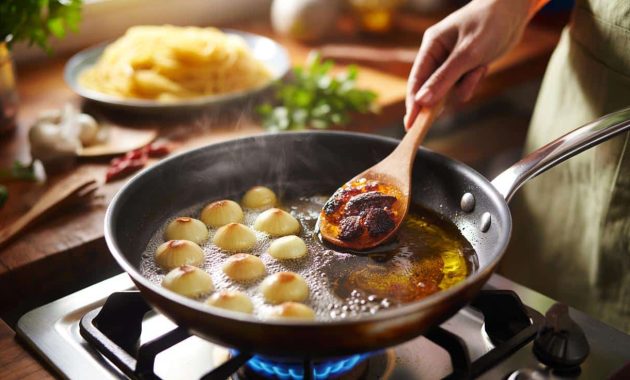
The kitchen is filled with the aroma of sizzling onions and the promise of a delectable meal. But as you toss in the chopped garlic, a nagging feeling creeps in – have you let it cook for too long? The answer could mean the difference between a dish that dazzles and one that disappoints.
Garlic is a culinary superstar, beloved for its ability to transform even the simplest ingredients into something extraordinary. Yet, like any star, it requires careful handling to ensure it shines in its full glory. Overcooking this fragrant allium can strip it of its signature flavor, leaving you with a bitter, acrid taste that can ruin an entire dish.
The Science Behind Garlic’s Flavor
Garlic’s unique flavor profile is the result of a complex chemical reaction that occurs when the vegetable is chopped, crushed, or heated. The enzyme alliinase, which is released when garlic is cut or crushed, reacts with compounds called alliin to produce allicin – the compound responsible for garlic’s pungent aroma and flavor.

However, this chemical reaction is sensitive to heat. When garlic is cooked for too long, the allicin breaks down, and the garlic’s flavor becomes diminished and even unpleasant. Instead of the warm, savory notes that garlic is known for, overcooked garlic can take on a bitter, acrid taste that can overwhelm an entire dish.
This is why it’s crucial to time the addition of garlic carefully, ensuring that it cooks just long enough to release its flavor without sacrificing its delicate balance.
Timing is Everything
The key to keeping garlic’s flavor in check is to pay attention to the cooking time. As a general rule, garlic should be added towards the end of the cooking process, allowing it to cook just long enough to mellow its raw edge without losing its distinctive taste.
In dishes where garlic is the star, such as garlic bread or roasted garlic, it’s best to cook it low and slow, allowing the flavor to develop gradually. However, in recipes where garlic is one of many ingredients, it’s important to add it at the right moment, often towards the end of sautéing or just before adding other liquids.
By mastering the timing of garlic’s addition, you can ensure that it enhances the overall flavor of the dish rather than overpowering it.
Techniques to Preserve Garlic’s Flavor
In addition to timing, there are other techniques that can help preserve garlic’s flavor during the cooking process. One effective method is to lightly toast the garlic in oil before adding it to the dish. This helps to “set” the flavor and prevent it from becoming bitter or acrid.

Another option is to use garlic in multiple stages of the cooking process. For example, you could add some chopped garlic at the beginning to infuse the oil or fat, then add more towards the end for a fresh, vibrant flavor.
Finally, consider the size of your garlic pieces. Finely chopped or minced garlic will cook more quickly than larger chunks, so adjust your preparation accordingly.
The Importance of Garlic in Cuisine
Garlic is a fundamental ingredient in countless cuisines around the world, from Italian pasta dishes to Indian curries. Its ability to add depth, complexity, and a savory umami note to a wide range of foods is unparalleled.

When cooked properly, garlic can elevate a dish from good to great, transforming simple ingredients into something extraordinary. However, when mishandled, it can quickly become the downfall of an otherwise delicious meal.
By understanding the science behind garlic’s flavor and the techniques to preserve it, home cooks and professional chefs alike can ensure that this humble ingredient remains a trusted ally in the kitchen, rather than an unwelcome adversary.
Striking the Right Balance
Ultimately, the key to cooking garlic successfully is finding the right balance between allowing it to develop its full flavor while preventing it from becoming overpowering or bitter. This requires a keen eye, a discerning palate, and a willingness to experiment and adjust as needed.

Whether you’re sautéing garlic for a quick weeknight meal or roasting it to perfection for a special occasion, remember to listen to the garlic and let it guide you. With a little practice and attention, you’ll be able to unlock the true potential of this versatile and beloved ingredient.
So, the next time you reach for the garlic, take a moment to consider its delicate nature, and treat it with the care and respect it deserves. Your taste buds will thank you.
| Garlic Cooking Time | Flavor Impact |
|---|---|
| Less than 1 minute | Pungent, raw flavor |
| 1-3 minutes | Mellowed, nutty flavor |
| 4-6 minutes | Caramelized, sweet flavor |
| More than 6 minutes | Bitter, acrid flavor |
“Garlic is the most important ingredient in the world, period. It can make or break a dish.”
– Chef Anthony Bourdain
“The key to using garlic is to understand its chemistry and how it reacts to heat. Overcooked garlic is an enemy in the kitchen.”
– Food scientist Dr. Linda Bartoshuk

“Proper garlic preparation is a sign of a skilled cook. It’s the difference between a dish that sings and one that falls flat.”
– Culinary historian Karen Hursh Graber
Cooking is an art, and mastering the nuances of ingredients like garlic is what separates the good from the great. By understanding the science behind garlic’s flavor and the techniques to preserve it, you can unlock a world of culinary possibilities and create dishes that truly dazzle the senses.

FAQs
How long should I cook garlic for the best flavor?
As a general rule, garlic should be cooked for 1-3 minutes to achieve a mellowed, nutty flavor. Cooking it for more than 6 minutes can result in a bitter, acrid taste.
Can I reuse garlic that has been overcooked?
Unfortunately, once garlic has been overcooked and developed a bitter flavor, there’s no way to salvage it. It’s best to start fresh with new garlic if the dish has been ruined by overcooking.
What’s the best way to add garlic to a dish?
For maximum flavor, add garlic towards the end of the cooking process, just before adding any liquids or other ingredients. This allows the garlic to cook through without losing its signature taste.
Can I toast garlic before adding it to a dish?
Yes, toasting garlic in oil can help “set” the flavor and prevent it from becoming bitter or acrid during the cooking process. This is a great technique to use when garlic is a key ingredient in a dish.
How do I know if I’ve overcooked the garlic?
Overcooked garlic will have a bitter, harsh taste that can overwhelm the entire dish. If the garlic has a strong, unpleasant aroma or flavor, it’s a sign that it’s been cooked for too long.
Can I use pre-minced garlic instead of fresh?
While pre-minced garlic can be convenient, it often lacks the same fresh, vibrant flavor as homemade. For the best results, use fresh garlic and adjust the cooking time accordingly.
How can I prevent garlic from burning?
To prevent garlic from burning, make sure to keep the heat at a moderate level and stir the garlic frequently. Adding it towards the end of the cooking process can also help prevent it from overcooking.
Is there a difference between roasted and sautéed garlic?
Yes, roasted garlic has a sweeter, more caramelized flavor compared to sautéed garlic, which has a more pungent, nutty taste. The cooking method and time can significantly impact the final flavor of the garlic.