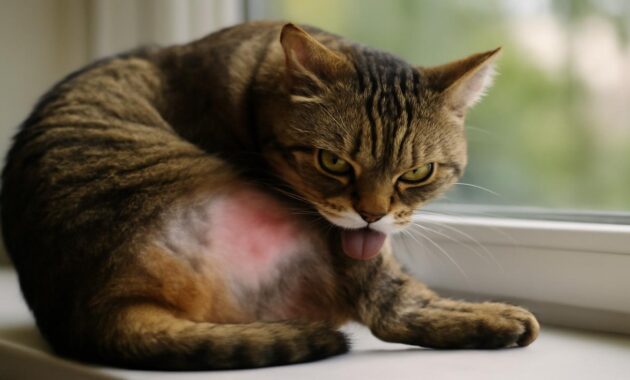
The sound is soft but relentless—rasp, rasp, rasp. It’s past midnight, the rest of the house is still, and somewhere at the foot of your bed your cat is locked in a trance-like state, its rough tongue methodically licking its paw and then drawing it across its face in a repetitive, soothing motion.
You try to ignore it, but the incessant grooming keeps you awake. Is this just normal cat behavior, or is your feline friend trying to tell you something? As it turns out, the reasons behind your cat’s seemingly endless self-cleaning ritual can be as complex as the cat itself.
Routine Grooming or a Sign of Stress?
Cats are meticulous groomers by nature, spending an average of 30-50% of their waking hours keeping their coat clean and well-maintained. This behavior not only helps them regulate their body temperature and remove loose hair, but it also serves as a way for them to bond with their human family and feel more secure in their environment.

However, when the grooming becomes excessive or compulsive, it can be a sign that something is amiss. “Overgrooming can be an indicator of stress or anxiety in cats,” explains Dr. Marci Koski, a certified feline behavior and training specialist. “Cats may groom excessively as a way to self-soothe or cope with changes in their environment or routine.”
Identifying the root cause of the overgrooming is key to helping your cat feel more comfortable and content. By paying attention to the patterns and triggers, you can work with your veterinarian to address the underlying issue and help your feline friend regain a healthy balance.
The Hidden Itch: Skin Problems and Grooming Behavior
While stress and anxiety can certainly lead to excessive grooming, it’s important to rule out any underlying medical conditions as well. Skin irritations, allergies, or parasites can all cause discomfort that drives a cat to lick and groom compulsively.

“If a cat is excessively grooming a specific area, it’s always a good idea to have a veterinarian examine them,” advises Dr. Koski. “There may be a skin condition or other physical issue that’s causing the cat discomfort and prompting the overgrooming behavior.”
Once any medical issues have been addressed, you can then focus on addressing the emotional or environmental factors that may be contributing to the problem. By creating a calmer, more enriched living space for your cat, you can help reduce their stress and encourage healthier grooming habits.
Stress in a Fur Coat: Emotional Causes of Overgrooming
Cats are sensitive creatures, and they can become easily stressed by changes in their routine, the introduction of new people or pets, or even subtle shifts in their environment. When a cat is feeling anxious or insecure, they may turn to excessive grooming as a way to self-soothe and regain a sense of control.

“Overgrooming is often a symptom of an underlying issue, rather than the problem itself,” explains Dr. Koski. “By identifying the specific triggers or stressors in a cat’s life, we can then work on addressing those root causes and helping the cat feel more secure and comfortable.”
This could involve introducing more vertical space, providing more hiding spots, or simply spending more quality time with your cat through play and affection. With patience and a little creativity, you can help your feline friend overcome their anxiety and rediscover the joy of grooming as a relaxing, self-care routine.
Creating a Calmer World for a Compulsive Groomer
Once you’ve identified the underlying cause of your cat’s excessive grooming, the next step is to create a more soothing, low-stress environment that encourages healthier habits. This may involve making changes to your home, introducing new enrichment activities, or even seeking the guidance of a professional feline behaviorist.

“Providing a calm, predictable routine and plenty of outlets for your cat’s natural behaviors can go a long way in reducing overgrooming,” says Dr. Koski. “Things like vertical scratching posts, perches near windows, and interactive toys can all help satisfy your cat’s instinctual needs and give them a healthy way to cope with stress or anxiety.”
It’s also important to remember that every cat is unique, and what works for one feline friend may not be the best solution for another. By working closely with your veterinarian and being patient and attentive to your cat’s needs, you can help them find a healthy balance and rediscover the joy of grooming without the compulsive licking.
Working with Your Vet: A Partnership, Not a One-Time Visit
When it comes to addressing your cat’s overgrooming, it’s important to view your veterinarian as a partner in the process, not just a one-time consultation. Regular check-ups and open communication can help ensure that any underlying medical issues are addressed, and that the treatment plan remains effective over time.

“Overgrooming can be a complex issue, and it often requires a multi-pronged approach to get to the root of the problem,” explains Dr. Koski. “Your vet can help rule out any physical causes, recommend appropriate treatments, and work with you to develop a plan for addressing the behavioral and environmental factors as well.”
By working closely with your veterinarian and being an active participant in your cat’s care, you can help ensure that your feline friend receives the support they need to overcome their overgrooming habits and rediscover the joy of a healthy, balanced grooming routine.
| Cause of Overgrooming | Potential Signs | Recommended Actions |
|---|---|---|
| Stress or Anxiety |
|
|
| Skin Irritation or Allergies |
|
|
“Overgrooming is often a symptom of an underlying issue, rather than the problem itself. By identifying the specific triggers or stressors in a cat’s life, we can then work on addressing those root causes and helping the cat feel more secure and comfortable.”
Dr. Marci Koski, Certified Feline Behavior and Training Specialist

Caring for a cat with compulsive grooming habits can be a challenge, but with patience, understanding, and a collaborative approach with your veterinarian, you can help your feline friend find the balance and comfort they need to thrive.
“Providing a calm, predictable routine and plenty of outlets for your cat’s natural behaviors can go a long way in reducing overgrooming. Things like vertical scratching posts, perches near windows, and interactive toys can all help satisfy your cat’s instinctual needs and give them a healthy way to cope with stress or anxiety.”
Dr. Marci Koski, Certified Feline Behavior and Training Specialist
Remember, your cat’s grooming habits are a reflection of their overall well-being, so by addressing the underlying causes and creating a supportive environment, you can help them rediscover the joy and comfort of their natural self-care routine.

| Enrichment Activities to Reduce Overgrooming | Tips for Calming a Stressed Cat |
|---|---|
|
|
“Overgrooming can be a complex issue, and it often requires a multi-pronged approach to get to the root of the problem. Your vet can help rule out any physical causes, recommend appropriate treatments, and work with you to develop a plan for addressing the behavioral and environmental factors as well.”
Dr. Marci Koski, Certified Feline Behavior and Training Specialist
By working closely with your veterinarian and being attentive to your cat’s needs, you can help them overcome their overgrooming habits and rediscover the joy of a healthy, balanced grooming routine.
Why does my cat groom so much?
Cats groom themselves as a natural way to keep their coat clean and healthy. However, excessive or compulsive grooming can be a sign of stress, anxiety, or an underlying medical issue. It’s important to work with your veterinarian to identify and address the root cause.

Is it normal for cats to lick themselves bald?
No, it is not normal for cats to lick themselves to the point of causing significant hair loss or skin irritation. This is a sign of a deeper issue, such as stress, allergies, or a skin condition. If you notice your cat licking or chewing excessively in one area, it’s best to have them examined by a veterinarian.
How can I stop my cat from overgrooming?
The key to reducing overgrooming is to address the underlying cause, whether it’s stress, anxiety, or a medical problem. This may involve making environmental changes, introducing enrichment activities, using calming supplements, or working with your veterinarian on a treatment plan.
What are the signs of stress in cats?
Signs of stress in cats can include excessive grooming, changes in sleep or appetite, increased aggression or withdrawal, and increased vocalization. If you notice any of these behavioral changes, it’s a good idea to consult with your veterinarian to identify and address the root cause.
Can overgrooming lead to skin problems in cats?
Yes, excessive grooming can lead to skin irritation, inflammation, and even hair loss. The repeated licking and chewing can damage the skin and leave it vulnerable to infection or other issues. It’s important to address the overgrooming behavior to prevent further skin problems.
How can I help my cat feel more relaxed and calm?
Providing a calm, predictable environment with plenty of enrichment and outlets for your cat’s natural behaviors can go a long way in reducing stress and anxiety. This may include adding vertical scratching posts, window perches, interactive toys, and even pheromone diffusers or calming supplements (under vet guidance).
When should I take my cat to the vet for overgrooming?
If you notice your cat is excessively grooming, licking, or chewing in a specific area, or if the grooming is causing skin irritation or hair loss, it’s a good idea to have them examined by a veterinarian. They can help rule out any underlying medical issues and provide guidance on addressing the behavioral component as well.
How can I work with my vet to manage my cat’s overgrooming?
Maintain open communication with your veterinarian and be an active partner in your cat’s care. Provide detailed information about the grooming behaviors, any changes in your cat’s environment or routine, and any other symptoms you’ve observed. Your vet can then work with you to develop a comprehensive treatment plan that addresses both the medical and behavioral aspects of the issue.