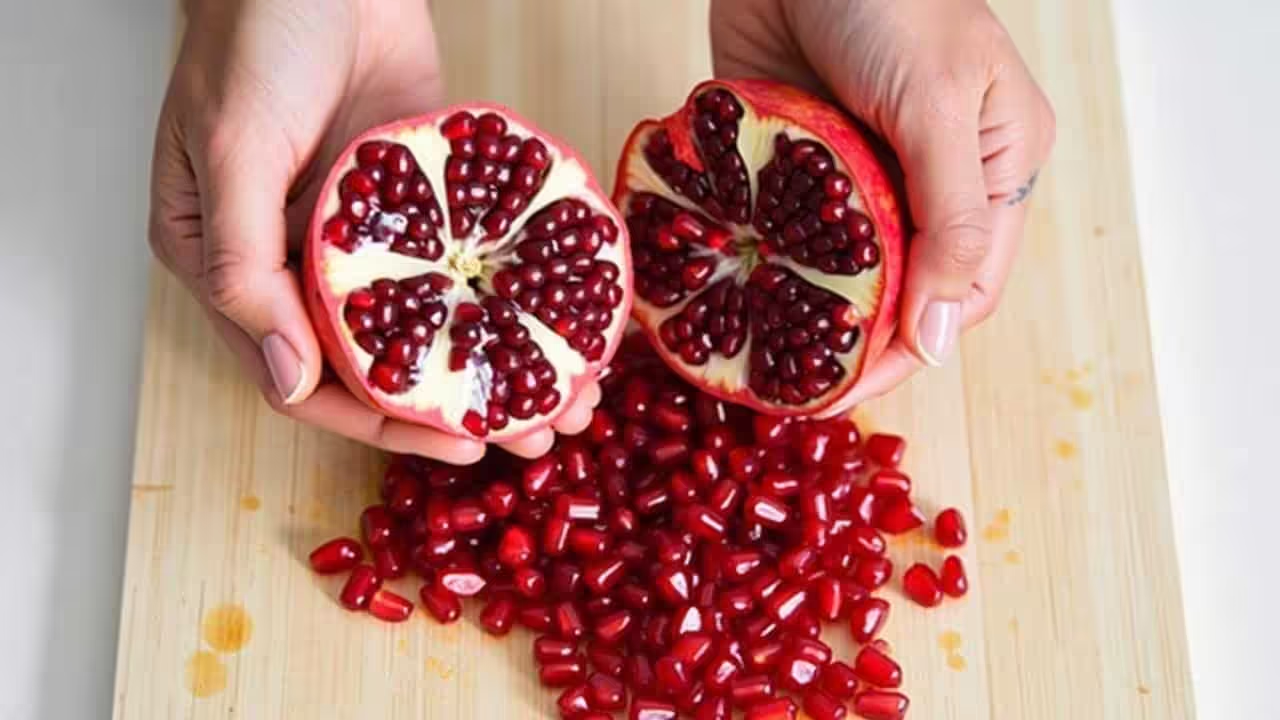
Pomegranates are a superfood packed with antioxidants, fiber, and a tangy-sweet flavor that can elevate any dish. But getting those ruby-red arils (the edible seed pods) out of the fruit can be a messy endeavor. One wrong move and your worktop is red-spattered, the floor is dotted with runaway seeds, and your t-shirt looks like a crime scene.
Fret not, there’s a simple, foolproof technique that will have you enjoying pomegranate seeds with zero cleanup. By using a clever water-based method, you can separate the arils from the pith and membrane with precision, leaving your kitchen spotless.
The Water-Bowl Method: A Mess-Free Pomegranate Hack
The key to a clean pomegranate seeding experience lies in using a simple water-filled bowl. Start by slicing the pomegranate in half horizontally. Then, hold one half in the water-filled bowl, seeds facing down, and gently break apart the sections with your fingers. The arils will naturally sink to the bottom, while the white pith and membrane will float to the top.

Once you’ve removed all the arils from that half, repeat the process with the other side. Skim off the floating pith, then carefully drain the water, leaving just the precious pomegranate seeds behind. Pat them dry with a paper towel, and voilà – you have a bowl of vibrant, mess-free arils, ready to be sprinkled on salads, yogurt, or simply enjoyed as a healthy snack.
This water-based technique is a game-changer compared to the traditional methods of scoring the fruit and knocking out the seeds or submerging the entire pomegranate in water. Those approaches often result in a red-splattered kitchen and frustration. The water-bowl method, on the other hand, keeps everything contained and tidy.
Why Pomegranates Are Worth the Effort
Pomegranates may require a bit of work to enjoy, but the payoff is well worth it. These vibrant fruits are packed with an impressive array of nutrients, including vitamins C and K, folate, and potassium. But the real standout is their high concentration of antioxidants, particularly punicalagins and anthocyanins, which have been linked to a range of health benefits.

Studies suggest that pomegranate consumption may help lower blood pressure, improve cholesterol levels, and even reduce the risk of certain types of cancer. The antioxidants in pomegranates are also thought to play a role in supporting cognitive function and reducing inflammation in the body.
So, while the seeding process may seem daunting at first, the nutritional punch that pomegranates pack makes them a worthwhile addition to any healthy diet. And with the water-bowl method, you can enjoy these superfruit treats without the mess.
Comparing Common Pomegranate Seeding Methods
| Method | Mess Level | Seed Yield | Ease of Use |
|---|---|---|---|
| Scoring and Knocking Out Seeds | High | Moderate | Moderate |
| Submerging in Water | Moderate | High | Moderate |
| Water-Bowl Method | Low | High | Easy |
Putting Those Pomegranate Seeds to Good Use
Once you’ve mastered the water-bowl method for seeding pomegranates, the possibilities for enjoying those vibrant arils are endless. Sprinkle them over salads for a pop of color and crunch, or fold them into Greek yogurt or cottage cheese for a nutrient-dense snack.

Pomegranate seeds also make a great addition to oatmeal, smoothies, and even baked goods like muffins or scones. Their sweet-tart flavor can also lend itself well to savory dishes, such as roasted vegetables or grain-based side dishes.
And don’t forget about beverages! Pomegranate juice is a delicious and healthy alternative to sugary sodas, while the seeds themselves can be muddled into cocktails or mocktails for a vibrant twist.
What “Antioxidant” Really Means for Pomegranates
“Pomegranates are a rich source of polyphenol antioxidants, which can help neutralize harmful free radicals in the body and reduce inflammation. These antioxidants may also support cardiovascular health and cognitive function.” – Dr. Sarah Williams, Nutritionist

The term “antioxidant” is often thrown around when discussing the health benefits of pomegranates, but what does it really mean? Antioxidants are compounds that can neutralize and stabilize highly reactive molecules called free radicals, which can otherwise damage cells and contribute to a range of chronic diseases.
Pomegranates are particularly rich in two types of polyphenol antioxidants: punicalagins and anthocyanins. These powerful compounds have been shown to possess anti-inflammatory, anti-diabetic, and anti-cancer properties in various studies.
By incorporating pomegranate seeds and juice into your diet, you can help support your body’s natural defenses against oxidative stress and inflammation. Just be mindful of portion sizes, as pomegranates are relatively high in natural sugars.

Small Risks and Sensible Portions
While pomegranates are generally considered safe for most people, there are a few caveats to keep in mind. Those with certain medical conditions, such as bleeding disorders or gastrointestinal issues, may want to consult their healthcare provider before consuming large amounts of pomegranate products.
Additionally, the high antioxidant content in pomegranates can potentially interact with some medications, such as blood thinners, blood pressure medications, and chemotherapy drugs. It’s always a good idea to speak with your doctor before adding pomegranates or any new food to your diet, especially if you have an underlying health condition.
As with any fruit, it’s also important to enjoy pomegranate seeds and juice in moderation. The natural sugars in pomegranates can contribute to weight gain and blood sugar spikes if consumed in excess. Stick to a handful of seeds or a small glass of juice as a healthy snack or addition to your meals.

Building the Pomegranate Seeding Habit
Incorporating pomegranates into your diet may take a bit of effort at first, but the water-bowl method makes the process much more manageable. Start by buying a pomegranate or two and setting aside a few minutes to properly seed them using the water-bowl technique.
Once you’ve experienced the joy of a mess-free pomegranate seeding session, you’ll be hooked. Keep the seeds on hand to sprinkle on your favorite dishes or enjoy as a refreshing snack. Over time, the habit of regularly incorporating pomegranates into your meals and snacks will become second nature.
Remember, the effort is well worth it. Pomegranates are a nutritional powerhouse that can bring vibrant flavor and a host of health benefits to your diet. With the water-bowl method, you can enjoy these superfruit treats without the hassle and cleanup.

FAQs
How do I know when a pomegranate is ripe?
Look for a pomegranate that is heavy for its size and has a deep, vibrant red color. Gently press on the fruit – it should feel firm but yield slightly to the touch.
Can I freeze pomegranate seeds?
Yes, you can freeze pomegranate seeds for up to 12 months. Spread the seeds in a single layer on a baking sheet and freeze until solid, then transfer to an airtight container or freezer bag.
Are pomegranate seeds safe for pets?
Pomegranate seeds are generally considered safe for pets in moderation, but it’s always best to consult your veterinarian before feeding them to your furry friends.

How long do fresh pomegranate seeds last?
Properly stored, fresh pomegranate seeds can last up to 5 days in the refrigerator. For longer storage, they can be frozen for up to 12 months.
Can I eat the whole pomegranate, including the rind?
While the pomegranate rind is edible, it is not recommended to consume it in large quantities as it can be tough and bitter. The arils (seed pods) are the primary edible part of the fruit.
Are pomegranate seeds good for weight loss?
Pomegranate seeds are a healthy, low-calorie snack that can be a beneficial addition to a balanced weight-loss diet. However, they should be consumed in moderation, as they do contain natural sugars.
How can I use pomegranate seeds in cooking?
Pomegranate seeds can be added to salads, yogurt, oatmeal, smoothies, baked goods, and even savory dishes like roasted vegetables or grain-based side dishes. Their sweet-tart flavor pairs well with a variety of foods.
Are there any side effects of eating pomegranate seeds?
Pomegranate seeds are generally safe for most people, but those with certain medical conditions, such as bleeding disorders or gastrointestinal issues, may want to consult their healthcare provider before consuming large amounts.